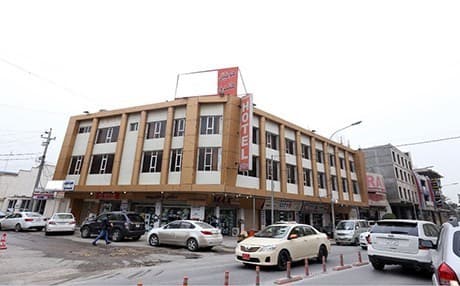

ERBIL, Kurdistan Region —Erbil’s mayor has warned hotel and motel operators against taking advantage of the increased numbers of tourists by driving up prices and breaking contracts, saying it hurts the tourism industry.
“Any hotel or motel owner that hikes up the prices and revokes the signed contracts will be punished severely,” Erbil Mayor Nabaz Abdulhamid told Rudaw.
He explained that contracts are signed between hotels and tourism companies at a certain price prior to the arrival of tourists.
“Due to a large numbers of Arabs from the southern and central Iraq travelling to Erbil, a number of hotel and motel owners are trying to hike up their prices beyond the contracts they have [already] signed with the tourism companies,” said Abdulhamid.
In the past three days, 15,000 tourists from southern and central Iraq have travelled to Erbil province and it’s increasing, as tourists venture to the Kurdistan Region for its mountains, attractions, blooming spring season, and cooler summer temperatures.
The mayor posited that this is good news for the economy of Kurdistan, but is concerned that travelers may not return if they are left feeling like they have been taken advantage of.
“Such behavior damages the future of the tourism sector and creates distrust and negatively affects our programs in the tourism sector,” Abdulhamid said.
The Kurdistan Region’s economy is heavily dependent on its energy sector and cross-border trade. The government has made a concerted effort to further develop other areas like tourism.
Erbil held a three-day tourism exhibition in Erbil in May.
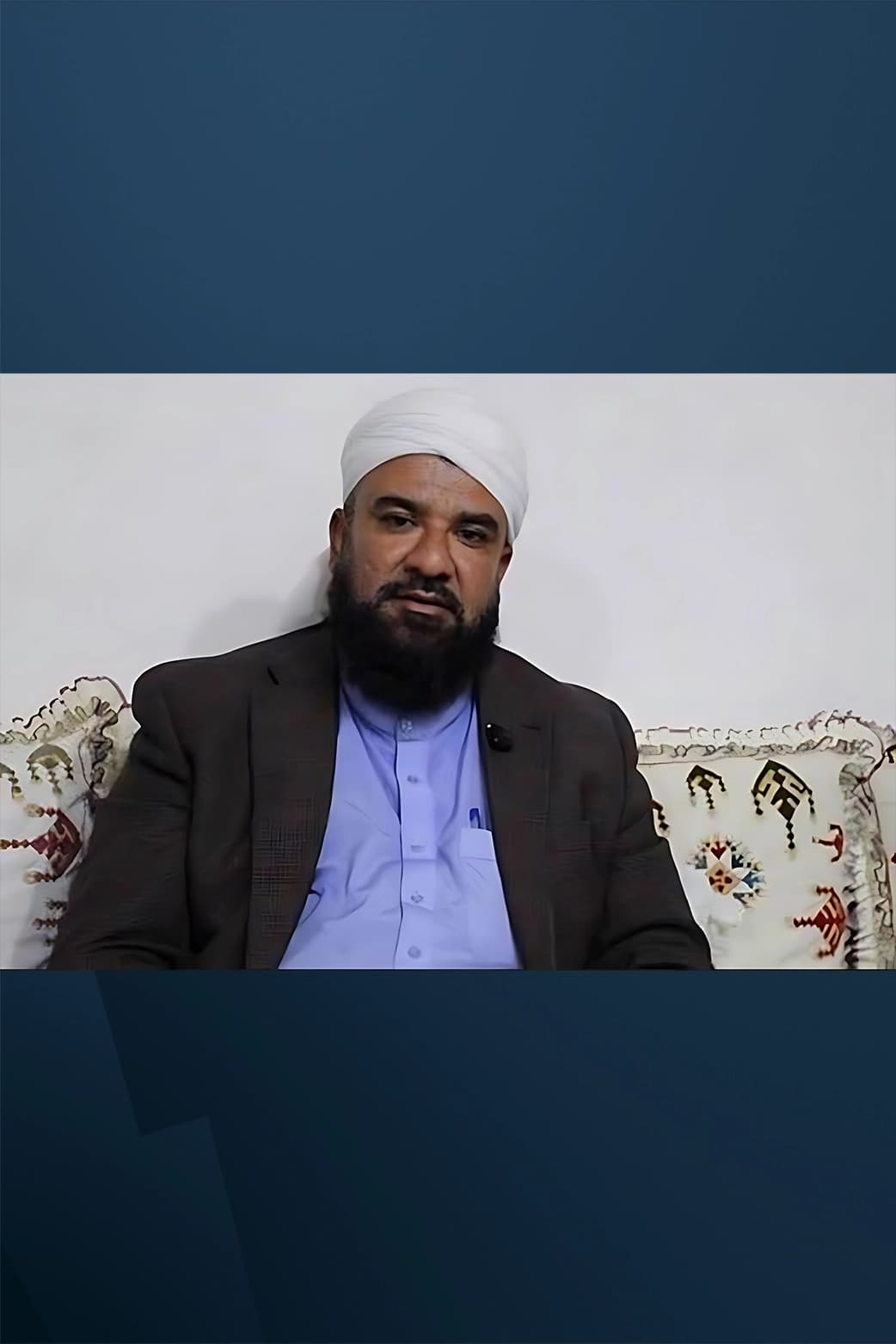
“Nearly 203 contracts and different memorandums of understanding were signed between Kurdistan Region’s companies and foreign companies,” explained Mawlawi Jabar Wahab, the chairman of the General Board of Tourism.
KRG Planning Minister Ali Sindi encouraged tourism investment in a commencement speech at the Businessmen & Investors Conference: Germany-Iraq-Kurdistan Region in Hanover, Germany, in early-September.
Kurdish officials have planned to spend an about $100 million in the coming years to revive and develop an industry that could deliver long-term profits.
.png&w=3840&q=75)