The recent disputes between the Kurdistan Democratic Party (KDP) and Kurdistan Workers’ Party (PKK) are neither in the best interests of the Kurdish people nor the two parties themselves. A Kurdistan where the PKK and KDP are in league is much better for both sides.
The issue of the PKK and KDP is not over who is the bigger brother and who is not. It has also to do with their narrow thinking about each other and themselves. That thinking has reflected quite clearly in Rojava (Syrian Kurdistan). There, the PKK’s pure totalitarian approach has not been right; nor has the KDP’s reliance on the “hotel-dwelling” smaller parties to balance its lack of good ties with the Democratic Union Party (PYD) in Syria.
The PYD is certainly the strongest party in Rojava, but it cannot apply a totalitarian system in 2013 and guarantee its survival in the long run. Also, the KDP cannot continue to ignore and refuse to deal with the PYD. This situation reminds us of the situation in 1991, when neighboring countries were unwilling to accept the Kurdistan Region.
There are other smaller parties in Rojava and there is a need for them. But the weak PYD of three years ago is not that same party of today. Meanwhile, the PKK has made a number of mistakes since. It has not acted in a way that would make itself more friends than foes. The degree of freedom that has come about in Rojava was a golden opportunity for the PKK to disprove what it complains is its wrong image, painted by its enemies.
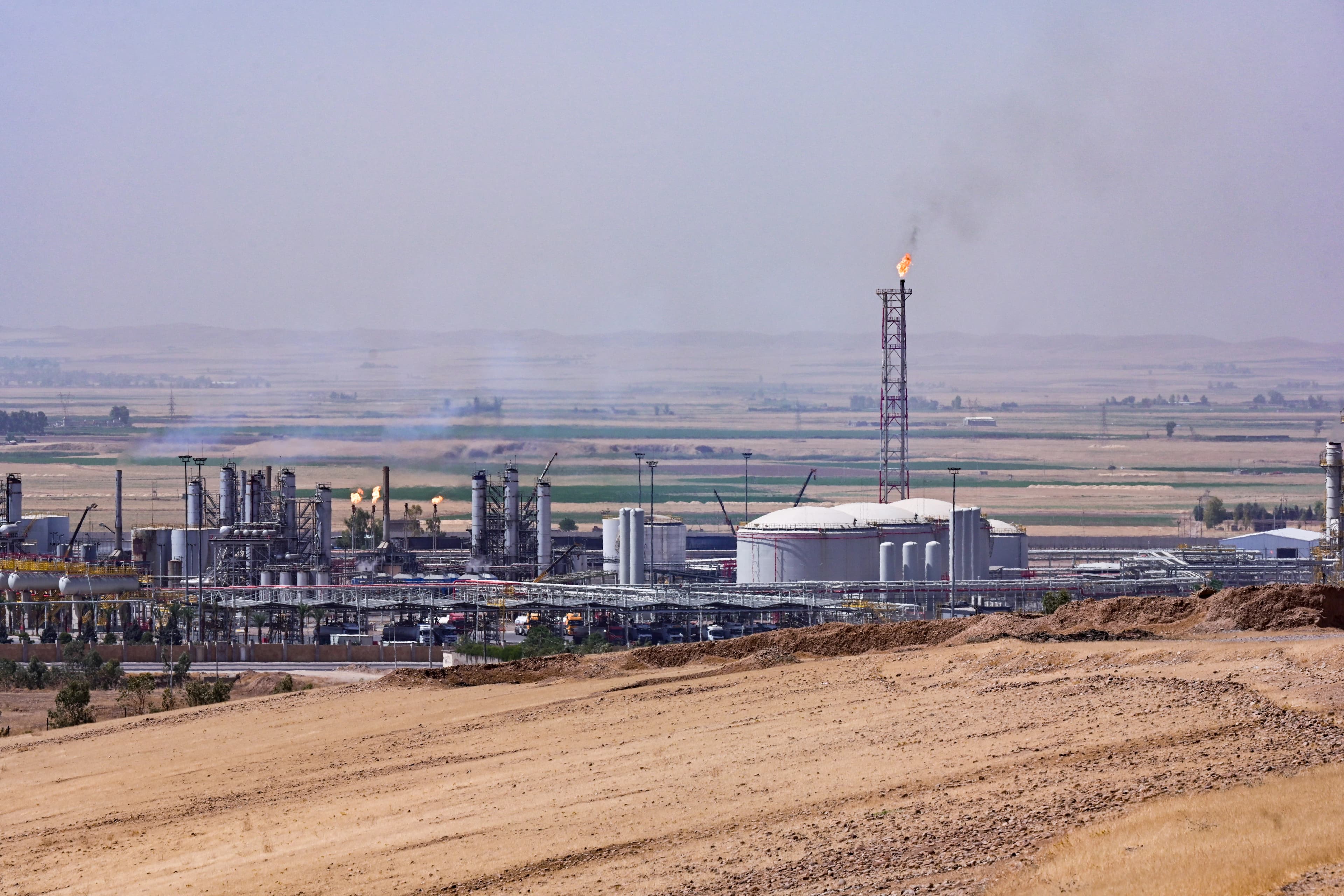
The situation in Syria has been going in a direction that was unexpected. Whether President Bashar Assad stays in power or goes, the PYD is in all cases a force to be reckoned with. One reason is that the secular PYD is seen as a friend of the Christians and other minority groups in Rojava. It also has a strong armed wing and is in control of oil-rich areas. The PYD could be a much better ally for the West than the Islamic groups inside the Syrian opposition.
It is a fact that the KDP cannot maintain influence in Rojava without reconciling with the PKK; in turn, the PKK will not be able to run Rojava without the KDP. The PYD itself is big today, but without a reliable friendship with the KDP it will shrink in the long run. Therefore, the wisest solution is the mending of relations, not mutual hostility and rivalry.
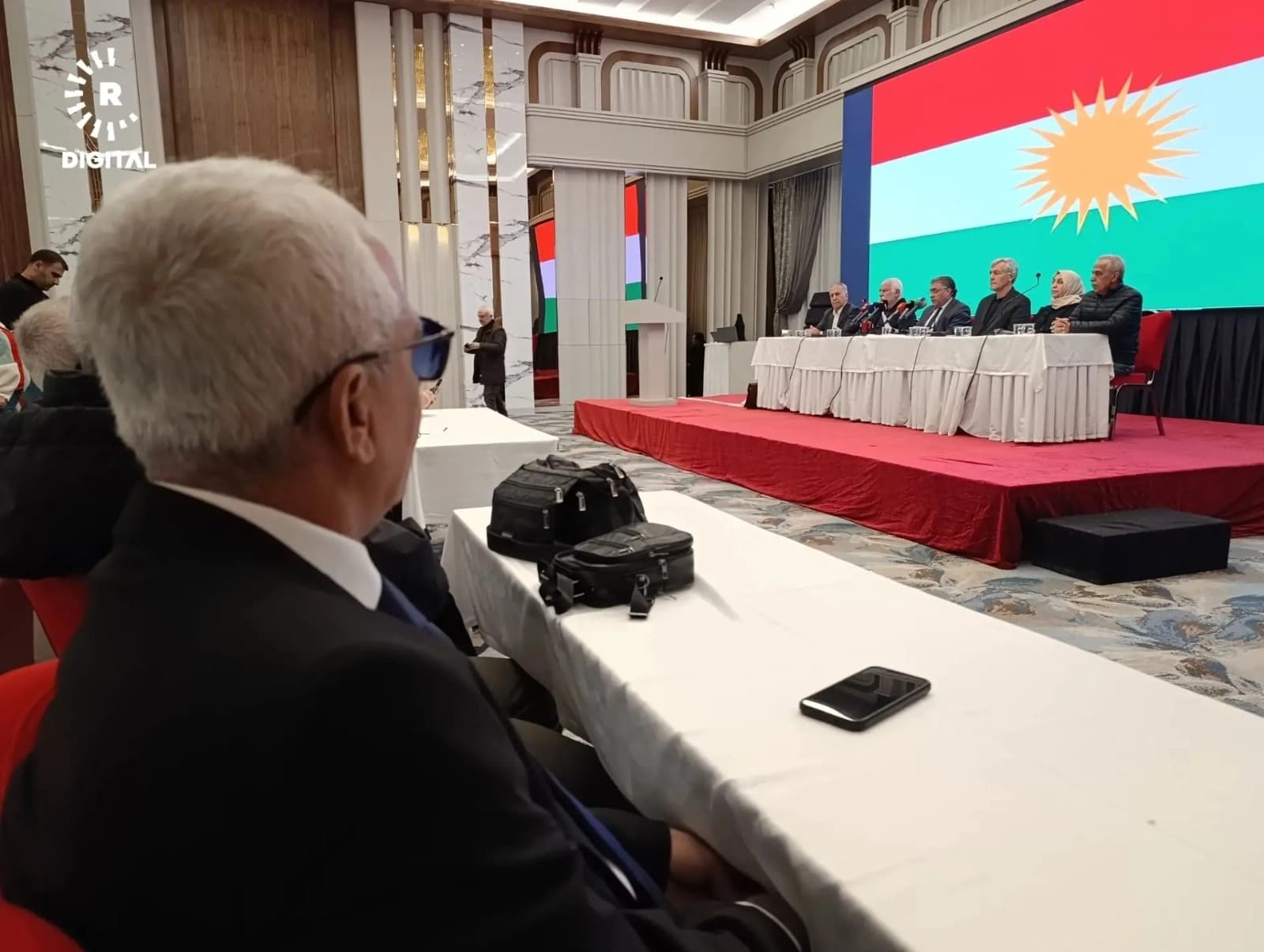
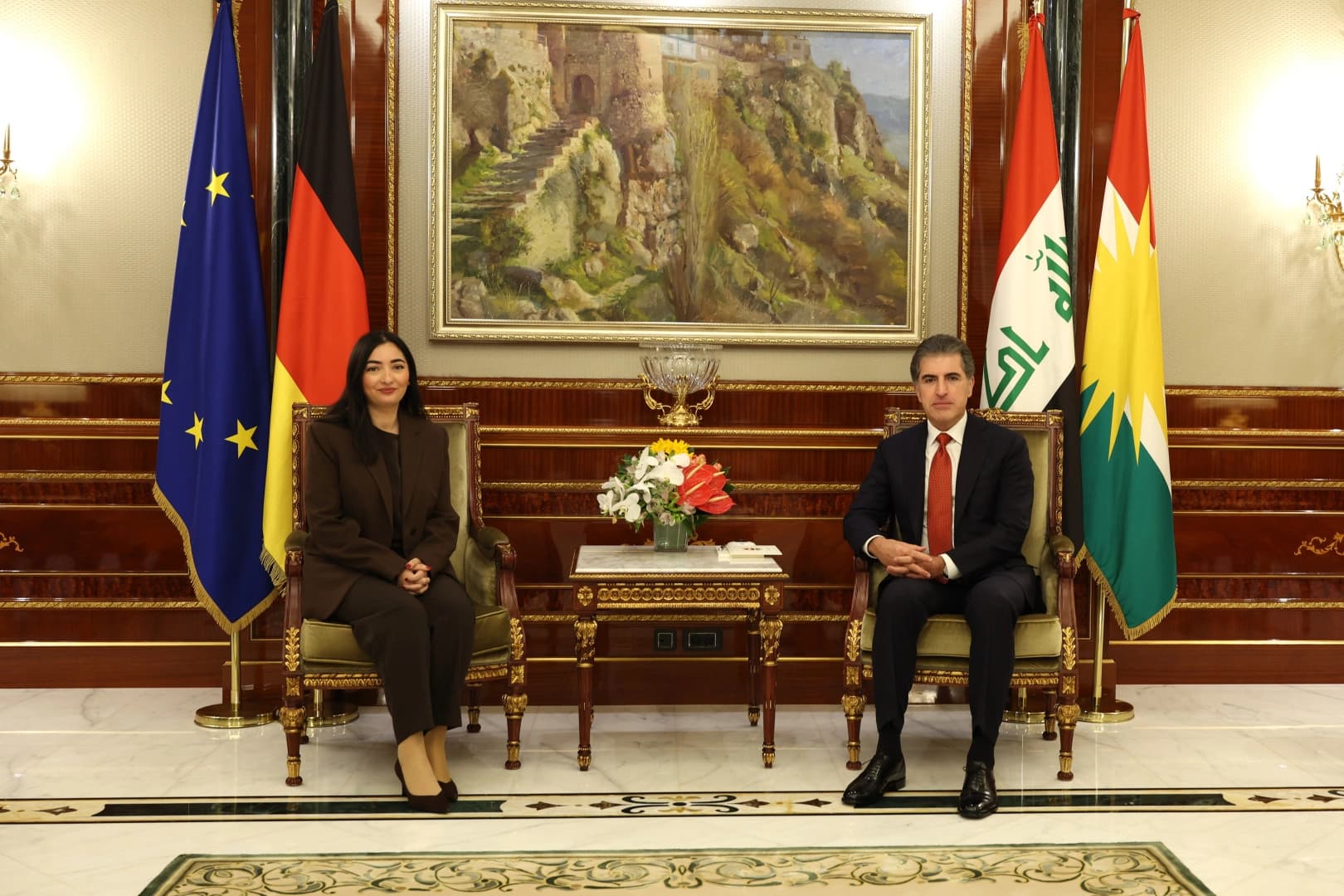
In the past few years we have seen some good examples of the kinds of positive outcomes that result when the two rivals cooperate. One instance was the gathering of all Syrian Kurdish parties, including the PYD, under the auspices of Kurdistan Region President Massoud Barzani. Efforts to hold a National Kurdish Congress for all Kurdish parties was yet another example.
Everyone knows that with KDP’s help the PKK can more easily find a lasting solution for its cause in Northern (Turkey) Kurdistan. Therefore, it is wiser if the PKK and KDP do not encourage the internal voices that advocate rivalry as the best option.
Let me say it again: The issue is not who is the big brother; the problem is the small thinking that dominates the issue.