For four days now the Iraqi army has been fighting the Islamic State of Iraq and Syria (ISIS) in the city of Mosul in the northwest. But so far the Islamic fighters have had the upper hand and the Iraqi forces have proven weak in the face of a handful of shabby insurgents. The attack on Mosul had all the elements of surprise, as much as it was brazen. But the incompetence of the Iraqi army is no surprise at all.
That is because the Iraqi army is built and divided across sectarian and tribal lines. It is by no means a national army, even though Iraqi leaders would like to think otherwise. Shiite soldiers do not want to serve in Sunni parts of the country; Sunni soldiers refuse to be stationed in the Shiite areas; few Iraqis have any faith in the armed forces or consider it their army.
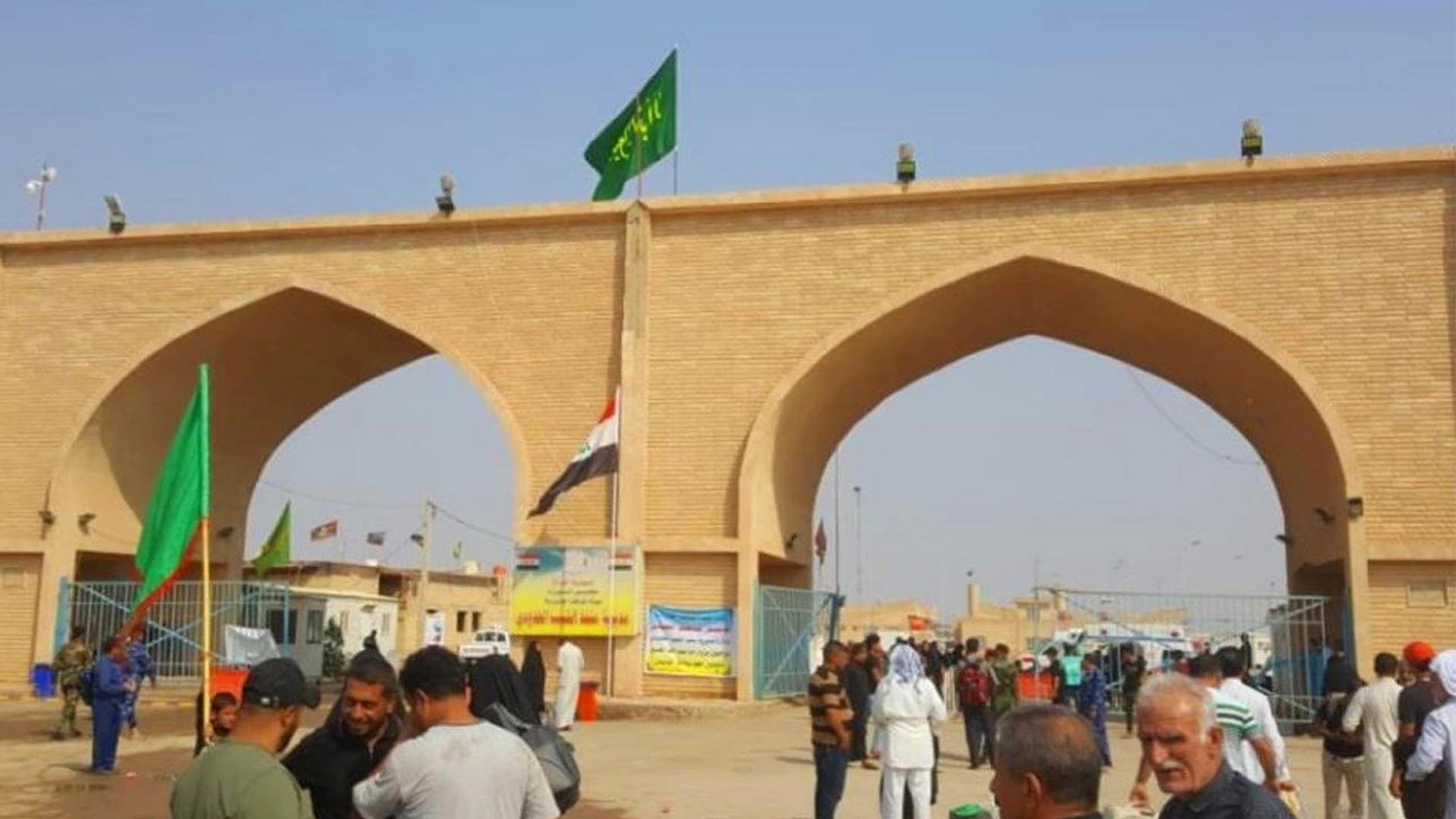
Shiite soldiers adorn their bases with pictures of their dead Imams and living clerics. Over their bunkers fly religious banners, and on their windshields are posters of religious figures. Sunni soldiers, for their part, do not believe in such adorations because they consider them idolatry. What they do, instead, is refuse to obey the orders of their superiors in Baghdad. Too often, they have sided with insurgents in Ramadi and Fallujah against their own army.
That is the reality of the Iraqi army today, which is why they cannot deal with even the smallest number of insurgents in any part of the land. Yet, despite this expensive but incompetent army, Iraqi leaders keep buying them advanced weapons. Most recently, for example, Iraq bought 36 F-16 fighter jets from the United States. Prime Minister Nouri al-Maliki says these jets are to strengthen the Iraqi air force, protect the country’s airspace and -- along with other weapons -- combat terrorism.
But can you really fight terrorism with jet fighters?
America tried the same for several years in Iraq and it did not succeed. They had better jets and better pilots. But on the two occasions they attacked al-Qaeda insurgents in Fallujah in 2004, the outcome was the total destruction of the city, while the terrorists remained as strong as ever.
The fighting in Mosul is another living example. If the army that has been trained, fed and equipped for 10 years loses the battle within only a few hours, what can F-16 fighters do in a city of hundreds of thousands? The Iraqi leaders only have to look beyond the border into Syria to see that you cannot combat insurgency with fighter jets. The Syrian air force has been pounding these same Islamic groups relentlessly for three years, yet we see them grow stronger day by day, so much so that they are now fighting inside Iraq.
The issue is not that Iraq doesn’t have advanced weapons. It is that it doesn’t have a national army loyal to the country: Iraqi soldiers do not trust each other; officers do not trust their commanders; commanders do not trust the politicians.
Jabbar Yawar, the chief of staff of the Kurdish ministry of Peshmarga, could not have said it better with this comment on Monday: “Iraqi soldiers do not believe in defending Iraq. They are only there for the salary.”
Yawar also said that using light weapons is the way to deal with insurgents -- and he is right. The damage that Kurdish fighters in Syrian Kurdistan have done with their AK47 Kalashnikovs against al-Qaeda in the past two years, Iraqi, Syrian and US air forces have not been able to do with their billions of dollars.
So who is Maliki trying to fool with his F-16s, and talk of building a strong air force? It is unlikely that he will ever use these jets against Najaf and Karbala. He might use them against the Sunnis in Fallujah and Ramadi, but he will fail. So why is he wasting so many billions when none of his neighbors has threatened to invade Iraq, either? It is obvious: He wants these jet fighters as a deterrent against the Kurds.
But thankfully, the Kurds are aware of Baghdad’s intentions. They may not have F-16s and helicopter gunships, but they have a Peshmarga army that is not sectarian and carries only the Kurdish flag. The Peshmarga have the potential of becoming a unified, strong army and Kurdish leaders should make this their priority. This is what will save them in a hostile region.