


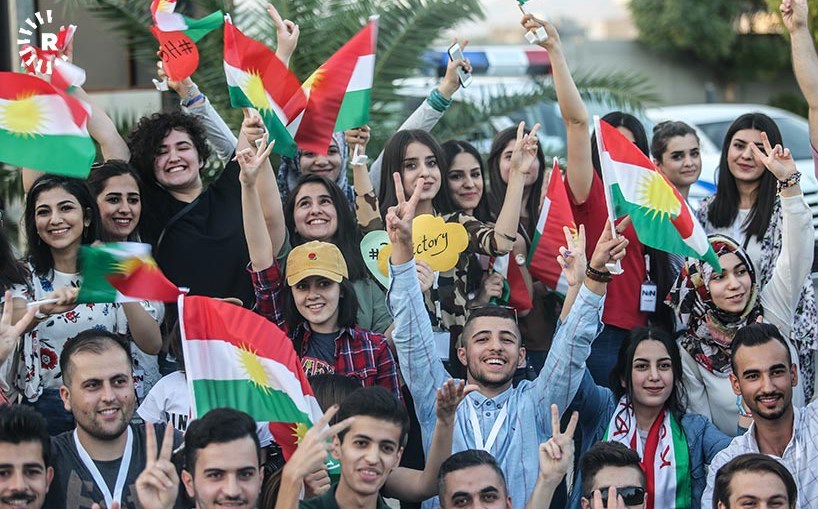
ERBIL, Kurdistan Region – The referendum issue has “found its resolution” the UN office in Iraq has stated, urging the Kurdistan Regional Government (KRG) to “acknowledge and respect” an Iraqi court ruling that deemed the independence vote unconstitutional, despite objections raised by Kurdish officials to the manner in which the court conducted the case.
The Federal Supreme Court ruled on Monday that the referendum conducted in the Kurdistan Region and disputed areas on September 25 and the objective of the referendum – namely independence – are unconstitutional, and cancelled the result.
“UNAMI urges the authorities of the KR-I [Kurdistan Region – Iraq] to acknowledge and respect this ruling,” read a statement from the UN office on Tuesday.
Iraqi Prime Minister Haider al-Abadi on Monday welcomed the court ruling and called on Kurdish authorities to respect the constitution. His government described the court decision as “further vindication” of its “constitutional position.”
Kurdistan Region Prime Minister Nechirvan Barzani has not said yet whether his government would accept or reject the ruling, but he condemned the process, saying the court made its decision “unilaterally and without the presence of Kurdish representatives.”
Kurdish authorities have complained that Baghdad is being selective in its reliance on the constitution to further its punitive measures against the Kurdistan Region.
“Before and after referendum we have always said it that if the Iraqi constitution is implemented we’d have no issues with Baghdad, but the constitution is something that must be implemented in its entirety,” Barzani said on Monday, adding that a third party would be necessary to help negotiations and to interpret the constitution.
The UN statement also called on the two governments to “start negotiations without delay” and to address several specific issues, including: resumption of international flights in and out of the Kurdistan Region, the budget, payment of civil sector salaries, and managing oil exports.
UNAMI also said Erbil and Baghdad should discuss “measures that will allow the establishment of federal authority over the external border crossings of Iraq located in the KR-I.”
Firsat Sofi, a legal expert and member of the Kurdistan Region parliament, writing for Rudaw, detailed the legal authority his government has and said that Iraq’s efforts to take over the border crossings violate the constitution.
UNAMI stressed its opposition to the use of force and said it was important Kurdistan Region MPs be permitted to fully participate in the Iraqi government – returning to the Council of Representatives and taking part in proceedings, including important matters like the budget law.
The Iraqi parliament has attempted to take legal action against Kurdistan Region MPs who participated in the independence referendum.
Erbil has already stated that it respects an earlier ruling by the Federal Court issued on November 6 that stated the Iraqi constitution does not allow the separation of any part of the country. Kurdish authorities, however, ignored a court ruling in September suspending the vote.
Kurdistan held a vote on independence that saw nearly 93 percent support for leaving Iraq. Erbil has offered to freeze the result in return for open dialogue with Baghdad.
Baghdad is yet to respond to calls for negotiations with Erbil, though the international community, including the United States and the United Nations, among others, has pushed in this direction.
The Federal Supreme Court ruled on Monday that the referendum conducted in the Kurdistan Region and disputed areas on September 25 and the objective of the referendum – namely independence – are unconstitutional, and cancelled the result.
“UNAMI urges the authorities of the KR-I [Kurdistan Region – Iraq] to acknowledge and respect this ruling,” read a statement from the UN office on Tuesday.
Iraqi Prime Minister Haider al-Abadi on Monday welcomed the court ruling and called on Kurdish authorities to respect the constitution. His government described the court decision as “further vindication” of its “constitutional position.”
Kurdistan Region Prime Minister Nechirvan Barzani has not said yet whether his government would accept or reject the ruling, but he condemned the process, saying the court made its decision “unilaterally and without the presence of Kurdish representatives.”
Kurdish authorities have complained that Baghdad is being selective in its reliance on the constitution to further its punitive measures against the Kurdistan Region.
“Before and after referendum we have always said it that if the Iraqi constitution is implemented we’d have no issues with Baghdad, but the constitution is something that must be implemented in its entirety,” Barzani said on Monday, adding that a third party would be necessary to help negotiations and to interpret the constitution.
The UN statement also called on the two governments to “start negotiations without delay” and to address several specific issues, including: resumption of international flights in and out of the Kurdistan Region, the budget, payment of civil sector salaries, and managing oil exports.
UNAMI also said Erbil and Baghdad should discuss “measures that will allow the establishment of federal authority over the external border crossings of Iraq located in the KR-I.”
Firsat Sofi, a legal expert and member of the Kurdistan Region parliament, writing for Rudaw, detailed the legal authority his government has and said that Iraq’s efforts to take over the border crossings violate the constitution.
UNAMI stressed its opposition to the use of force and said it was important Kurdistan Region MPs be permitted to fully participate in the Iraqi government – returning to the Council of Representatives and taking part in proceedings, including important matters like the budget law.
The Iraqi parliament has attempted to take legal action against Kurdistan Region MPs who participated in the independence referendum.
Erbil has already stated that it respects an earlier ruling by the Federal Court issued on November 6 that stated the Iraqi constitution does not allow the separation of any part of the country. Kurdish authorities, however, ignored a court ruling in September suspending the vote.
Kurdistan held a vote on independence that saw nearly 93 percent support for leaving Iraq. Erbil has offered to freeze the result in return for open dialogue with Baghdad.
Baghdad is yet to respond to calls for negotiations with Erbil, though the international community, including the United States and the United Nations, among others, has pushed in this direction.
Comments
Rudaw moderates all comments submitted on our website. We welcome comments which are relevant to the article and encourage further discussion about the issues that matter to you. We also welcome constructive criticism about Rudaw.
To be approved for publication, however, your comments must meet our community guidelines.
We will not tolerate the following: profanity, threats, personal attacks, vulgarity, abuse (such as sexism, racism, homophobia or xenophobia), or commercial or personal promotion.
Comments that do not meet our guidelines will be rejected. Comments are not edited – they are either approved or rejected.
Post a comment