کوردیKURDÎENGLISHTÜRKÇEعربي
Rudaw Logo
Live
Kurdistan
Middle East
OpinionsAnalysisWorldECONOMYInterviewCultureMultimedia
Live
Rudaw

Download the Rudaw app

App StoreGoogle Play
Privacy Policy•Terms of Use

© 2026 All rights reserved.

Rudaw

Download the Rudaw app

App StoreGoogle Play
Privacy PolicyTerms of Use

© 2026 All rights reserved.

An outside view of Kurdistan's Shanidar cave, taken by photographer Safin Ahmed April, 13, 2007.

An outside view of Kurdistan's Shanidar cave, taken by photographer Safin Ahmed April, 13, 2007.

kurdistan

More Neanderthal remains found in Kurdistan’s Shanidar cave

RUDAW English

RUDAW English

15-04-2015
Listen
0:00
0:00
Text Size
RUDAW English
RUDAW English15-04-2015

Related Articles

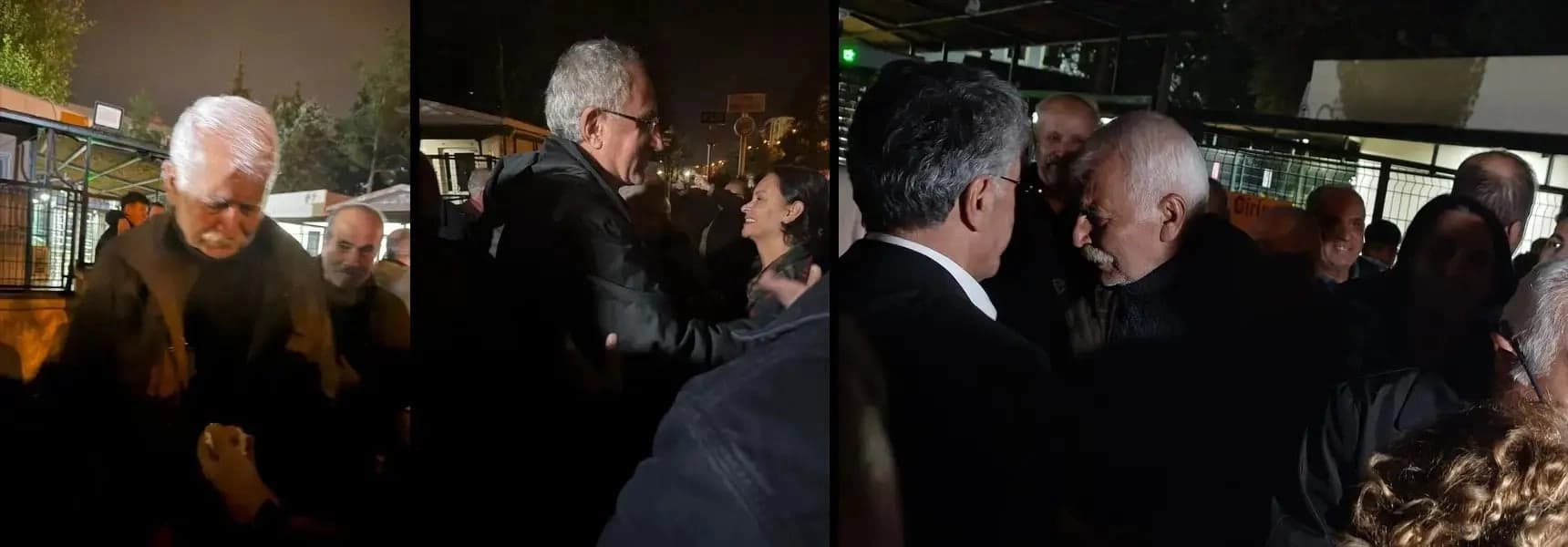
Turkey releases nine Kurdish political figures detained over alliance
Turkey19-11-2026

Turkey releases nine Kurdish political figures detained over alliance

UN approves Canada-led resolution condemning Iran’s human rights record
World19-11-2026

UN approves Canada-led resolution condemning Iran’s human rights record

US sanctions Hezbollah charity, Iranian-backed smuggling networks
Middle East19-11-2026

US sanctions Hezbollah charity, Iranian-backed smuggling networks

ERBIL, Kurdistan Region – Researchers have uncovered the remains of yet another Neanderthal inside Kurdistan’s Shanidar Cave north of Erbil. It is the third such Shanidar discovery for the British-led team, and just the latest set of ancient human remains found at the site dating back to discoveries in the 1950s.


British archaeologist Graeme Barker, whose team made the discovery Tuesday, told Rudaw the remains found in the Shanidar cave date as far back as 35,000 B.C., and his team is currently investigating why Neanderthals went extinct. The cave is located in the Zagros Mountains in the Kurdistan Region of Iraq near the Turkish border.


Modern excavations at Shanidar began under American archaeologist Ralph Solecki and his Columbia University colleagues from 1951 to 1960. The Solecki team recovered the fossilized remains of 10 individuals dating to between 65,000 and 35,000 years ago.


It was considered a grand discovery in the history of human evolution. Solecki’s finds showed evidence that the Neanderthals living in Shanidar may have practiced early medicine and ritual burial, signifying a belief in the afterlife. Another Neanderthal found by the Solecki team may have died due to a stab wound, signifying an early instance of inter-human conflict and weapons use. 
Related Articles

Turkey releases nine Kurdish political figures detained over alliance
Turkey19-11-2026

Turkey releases nine Kurdish political figures detained over alliance

UN approves Canada-led resolution condemning Iran’s human rights record
World19-11-2026

UN approves Canada-led resolution condemning Iran’s human rights record

US sanctions Hezbollah charity, Iranian-backed smuggling networks
Middle East19-11-2026

US sanctions Hezbollah charity, Iranian-backed smuggling networks

Questions