COPENHAGEN, Denmark – Fayli Kurdish communities around the world last week once again commemorated the Iraqi regime's 1980 attacks and deportations against them.
In Denmark, the Fayli Kurdish Association arranged a memorial for relatives and family members who disappeared during Saddam Hussein's regime and were buried in anonymous graves.
Various Kurdish and Arab organizations and parties participated in the memorial and read their messages.
The Fayli Kurds are a Shiite community, with roots in Ilam, Kermanshah and Luristan in Iranian Kurdistan. Today, they are found in Baghdad, Khanaqin and Mandali in Iraq. They have their own dialect, called Fayli.
Thirty-four years ago this month, the Iraqi regime attacked and deported thousands of Faylis to Iran, accusing them of not being Iraqis and siding with the enemy in Saddam’s 1980-88 war with neighboring Iran.
Rafiq Ahmad is one of the founders of the Fayli Kurdish Association in Denmark. Two of his brothers disappeared in 1980, and were not heard of since.
"I want to know their fate and where they are buried," said Rafiq, who was thrown by Iraqi authorities into the infamous Abu Ghraib prison, known for its torture and abuse of detainees.
"I was imprisoned many times and tortured because I disagreed with the Iraqi regime," he told Rudaw.
Rafiq said that the Fayli Kurds are demanding their rights to return to their homes in Iraq and restore the lands they lost, now inhabited by Arabs. In addition, they want those who were responsible for the anti-Fayli campaigns prosecuted.
The Fayli Kurds supported the Kurdish rebellion in Iraq between 1961-1975. This created a concern among the Baath-regime, since they feared that the Fayli Kurds would support the theocratic regime in Iran against Iraq because of their shared Shiite faith.
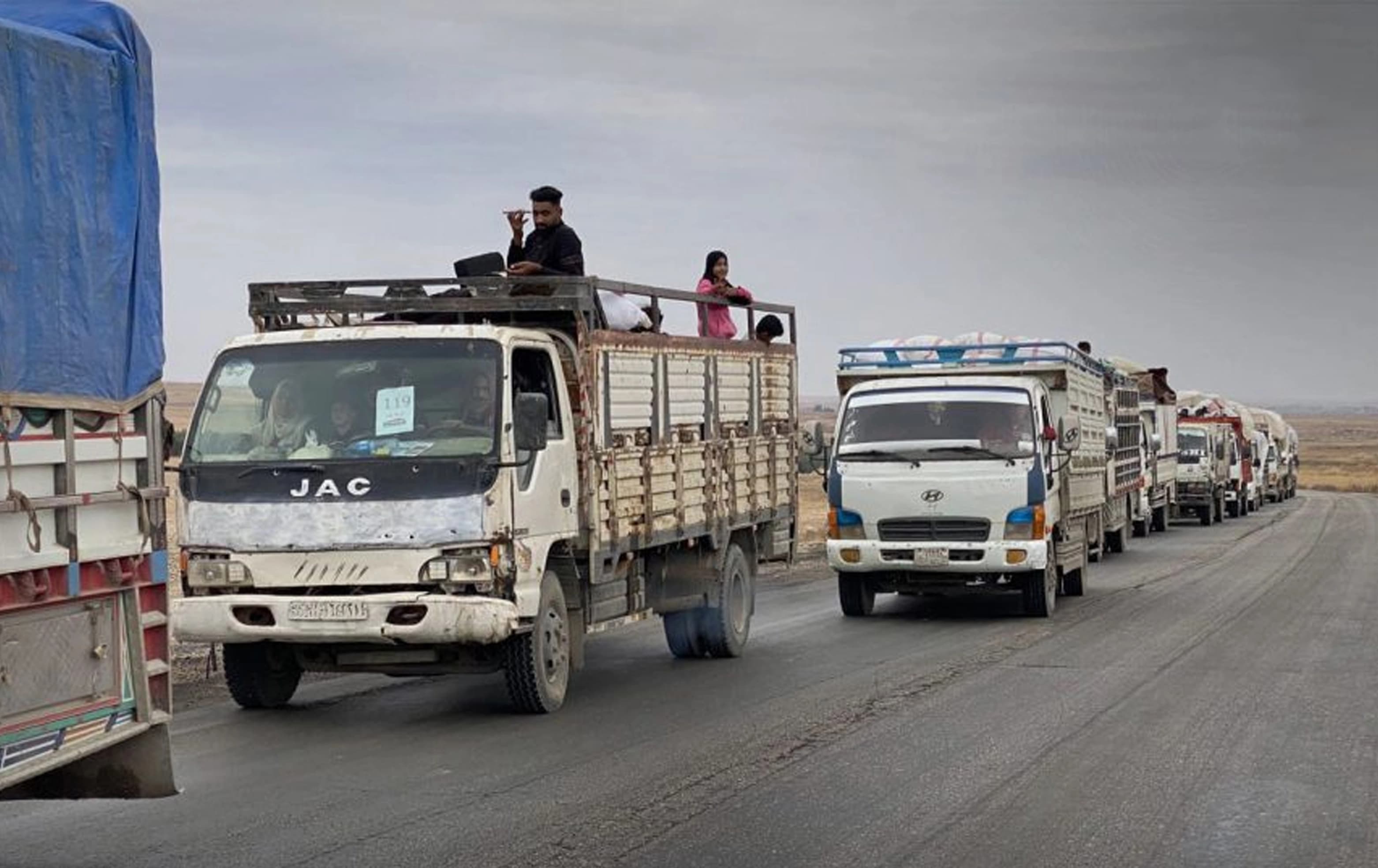
Large numbers of Fayli Kurdish families and citizens were forcefully deported by Iraqi forces in the early eighties to Iran. Their properties and papers were confiscated. Thousands were killed or died -- including women and children -- as they tried to find shelter beyond Iraq’s closed borders.
Sema Reda is a board member of the Fayli Kurdish Association in Denmark, and was born in Iran as a result of the deportations. Five of her family members have disappeared.
"The fact that you do not know where your family members are feels terrible," she told Rudaw.
"My mother's father and grandfather died of grief because they did not know where their sons were."
Since Saddam’s overthrow after the US-led invasion of Iraq in 2003, some Fayli Kurds have reclaimed their confiscated properties and struggled to prosecute those behind the deportations. The bodies of some missing Faylis have been found and identified, but many of the disappearances are still waiting to be solved. Many Fayli Kurds still live in Iran as refugees.