By Mat Wolf
SULAIMANI, Kurdistan Region – The Islamic State (ISIS) is in retreat across Iraq but much still needs to be done to eradicate its threat across the region, top regional and international officials said at a panel discussion in the Kurdistan Region Thursday.
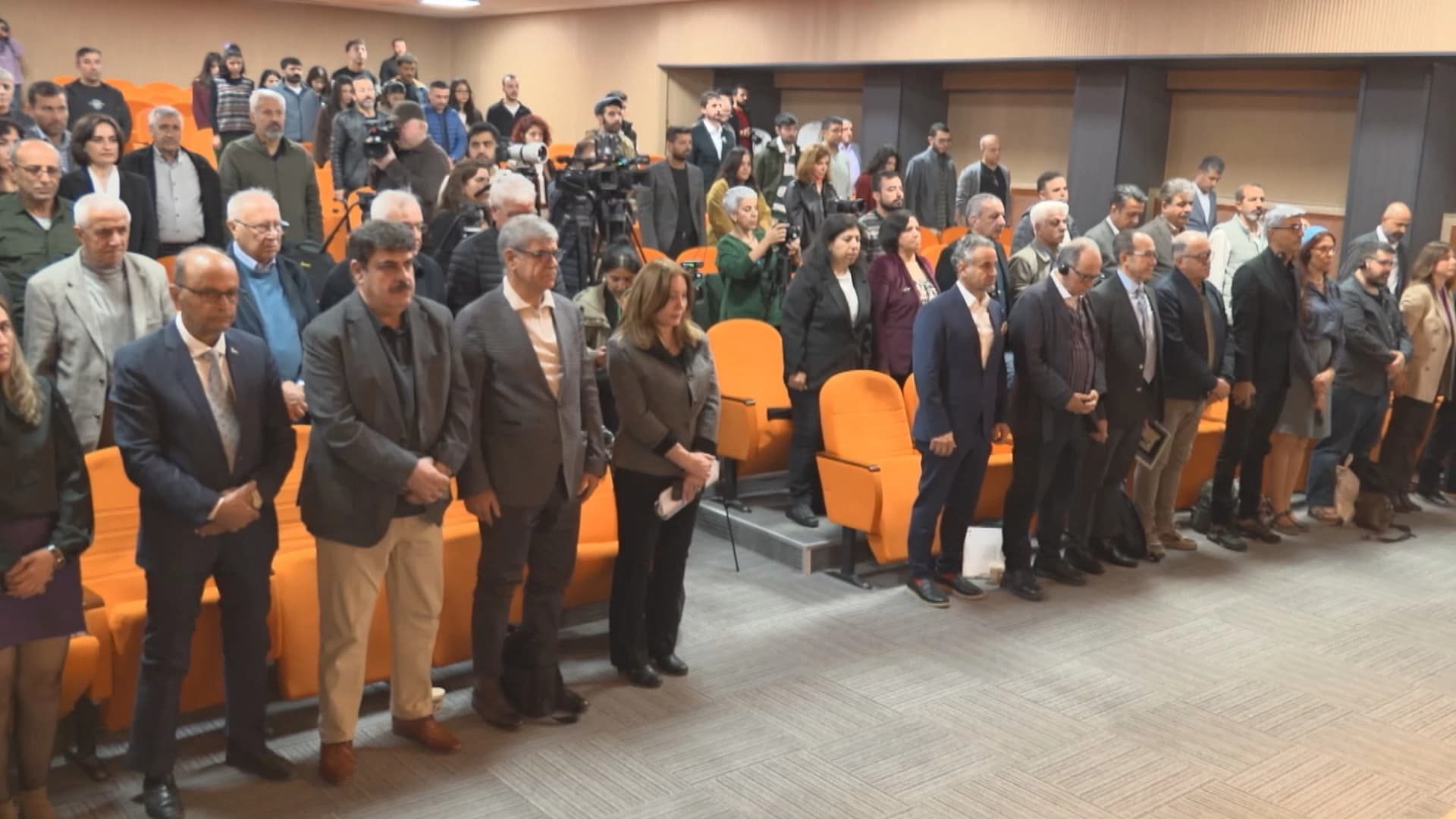
In a discussion titled “Strategy to Defeat Daesh: End Game or Seeds for New Conflict” on the second and final day of the third annual forum of the American University of Iraq, Sulaimani, speakers cited military accomplishments of Iraqi, Kurdish and coalition forces.
“They were controlling our areas, Kurdish areas, now we have the region,” said panelist Fuad Hussein, the presidential chief of staff for the Kurdistan Regional Government (KRG). “They were attacking us, now we are attacking them.”
Hussein went on to say Mosul, Iraq’s second-largest city that has been under ISIS control since June, must be recaptured. But he cautioned that even after such a victory it would be difficult to eradicate ISIS in the restive, mostly Sunni Arab Anbar province – Iraq’s largest -- and neighboring Syria.
He stressed that defeating the radical group – also known as ISIL or Daesh – in Iraq would require a plan to do the same in Syria, removing the safe havens the jihadis use to regroup.
Hussein said a flaw he saw in the current anti-ISIS coalition was its lack of a partner in Syria, allowing the group to present a truly international threat.
“ISIS is not about Iraq, the ideology of ISIS is not about Syria,” Hussein said. “They, of course, want to control the rest of the world; they want to reach the White House.”
Brett McGurk, US Deputy Special Presidential Envoy for the Global Coalition to Counter ISIL, agreed, saying a failure to halt the group in the Middle East would empower it globally and keep it active for the foreseeable future.
McGurk said the fight against ISIS was not just on the battlefield, citing former US General David Petraeus’ “anaconda strategy” to squeeze the group’s resources.
“This is not just a military approach, but it is necessary because Daesh is a military organization. We want to asphyxiate this group; cut off its finances, make sure it can’t sell oil, cut off its contributions and win the battle in the social media space,” McGurk explained.
He also noted the efforts of Kurdish and Shiite forces in Iraq, praising their will to fight.
“(ISIS made) a huge mistake to come into the Kurdistan Region,” he said.
Still, McGurk warned against over-optimism in the war with ISIS.
“This is something that’s going to be with us for the rest of our lives, I fear,” he said. “It is a threat to all of us, it is coming to our capitals… it’s going to be a long, long difficult struggle.”
In response to questions about Iran’s involvement in Iraqi military operations, panel speaker Faleh Fayadh, Iraq’s national security advisor, pointed to recent ISIS defeats in Anbar province, and ongoing operations in the city of Tikrit.
“If we act or think in the name of Iran or the US, we wouldn’t have succeeded,” Fayadh said. “Iran doesn’t control Iraq,” he added.
Neighboring Turkey’s role in the conflict was also discussed. As Hussein put it, “The Turkish priority is different. The Turkish priority is to remove the regime of (President Bashar al-Assad) in Syria, not ISIS.”
Military expert Michael Knights, a Lafer fellow at the Washington Institute for Near East Policy, also praised Kurdish and Iraqi efforts against ISIS, but was wary of underestimating the extremists.
“When you go to the frontlines and talk to commanders they report no shortage of the enemy, no shortage of attacks. They’re not stopping. We hurt these guys hard and they keep on coming,” he said.
Yet, Knights' closing words were focused on optimism and opportunity.
“To think Iraq would just lay down and die was just a ridiculous idea,” he said.
“Great challenges can force great countries to make great changes,” Knights concluded. “There is a major opportunity: the seeds of conflict do not need to grow.”