


ERBIL, Kurdistan Region – The Kurdistan Region on Friday called on Turkey and the Kurdistan Workers’ Party (PKK) to end clashes and resume peace talks, after an overnight Turkish air raid on the Kurdistan Workers’ Party (PKK) in northern Iraq.
A statement from the office of Kurdistan Region President Masoud Barzani said the recent escalation of violence was “serious and worrisome” and could lead to “more bloodshed and victims.”
“Unfortunately what we feared is happening now with the resumption of war,” the statement added. “The biggest fear is that the war would lead to ethnic mass killings, which will have graver consequences.”
Dozens of Turkish warplanes targeted PKK bases in bordering areas of the Kurdistan region overnight Friday, targeting the group’s facilities.
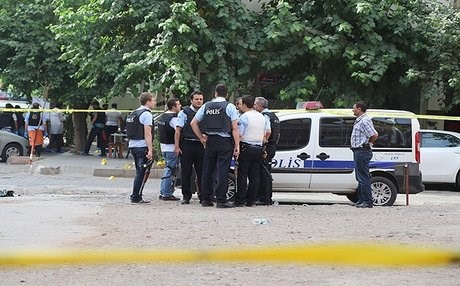
The PKK’s armed wing hit back by opening fire at a restaurant in Diyarbakir on Friday morning, wounding three police officers and a civilian, Rudaw’s correspondent Mashala Dakak said
The Turkish government struck an agreement in 2013 with the PKK’s jailed leader, Abdullah Ocalan, which was meant to gradually end nearly 30 years of violence between the two sides and pave the way for a permanent peace treaty.
However, fighting between Turkish and PKK forces resumed following a July 20 bombing in the Turkish-Syrian border town of Suruc in which 32 people were killed and 104 others wounded. The PKK later took responsibility for killing two policemen, and Turkey responded with near-daily air raids or artillery attacks.
Turkish Prime Minister Ahmet Davutoglu said Thursday he would authorize sending ground troops inside northern Iraq if necessary.
Turkey reportedly sent in more than 200 Special Forces troops across the border on Tuesday, killing up to 40 rebels of the Kurdistan Workers’ Party (PKK).
It was the first time Ankara dispatched troops across the Kurdish border since the peace agreement.
Comments
Rudaw moderates all comments submitted on our website. We welcome comments which are relevant to the article and encourage further discussion about the issues that matter to you. We also welcome constructive criticism about Rudaw.
To be approved for publication, however, your comments must meet our community guidelines.
We will not tolerate the following: profanity, threats, personal attacks, vulgarity, abuse (such as sexism, racism, homophobia or xenophobia), or commercial or personal promotion.
Comments that do not meet our guidelines will be rejected. Comments are not edited – they are either approved or rejected.
Post a comment