


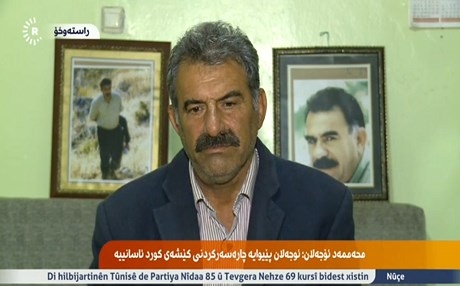
ERBIL, Kurdistan Region--Turkey’s Ministry of Justice has issued an order permitting family members of jailed Kurdistan Worker’s Party (PKK) leader, Abdullah Ocalan, to meet him on the occasion of Eid. It has been 17 months since Ocalan has met with anyone from his family, defense team, or the Imrali delegation of senior Kurdish politicians.
The meeting will take place between the 14th and 18th of this month in Imrali prison, where the leader has been serving his jail term since 1999. The order also grants permission for family members of other prisoners in Imrali to visit over the holiday.
Mohamad Ocalan, the leader's brother, is expected to meet with him.
Abdullah Ocalan last met his family on April 5, 2015.
Some 50 Kurdish politicians and activists began an indefinite hunger strike on September 5 following a meeting of the pro-Kurdish Democratic Society Congress (DTK). The objective was to end the isolation of the Kurdish leader and came amid doubts that Ocalan is alive, especially after the failed Turkish coup d'état on July 15.
Ferhat Encu, an MP from the pro-Kurdish People’s Democratic Party (HDP) told Rudaw that the hunger strike will continue until meeting takes place.
The meeting will take place between the 14th and 18th of this month in Imrali prison, where the leader has been serving his jail term since 1999. The order also grants permission for family members of other prisoners in Imrali to visit over the holiday.
Mohamad Ocalan, the leader's brother, is expected to meet with him.
Abdullah Ocalan last met his family on April 5, 2015.
Some 50 Kurdish politicians and activists began an indefinite hunger strike on September 5 following a meeting of the pro-Kurdish Democratic Society Congress (DTK). The objective was to end the isolation of the Kurdish leader and came amid doubts that Ocalan is alive, especially after the failed Turkish coup d'état on July 15.
Ferhat Encu, an MP from the pro-Kurdish People’s Democratic Party (HDP) told Rudaw that the hunger strike will continue until meeting takes place.
Comments
Rudaw moderates all comments submitted on our website. We welcome comments which are relevant to the article and encourage further discussion about the issues that matter to you. We also welcome constructive criticism about Rudaw.
To be approved for publication, however, your comments must meet our community guidelines.
We will not tolerate the following: profanity, threats, personal attacks, vulgarity, abuse (such as sexism, racism, homophobia or xenophobia), or commercial or personal promotion.
Comments that do not meet our guidelines will be rejected. Comments are not edited – they are either approved or rejected.
Post a comment