


Syria

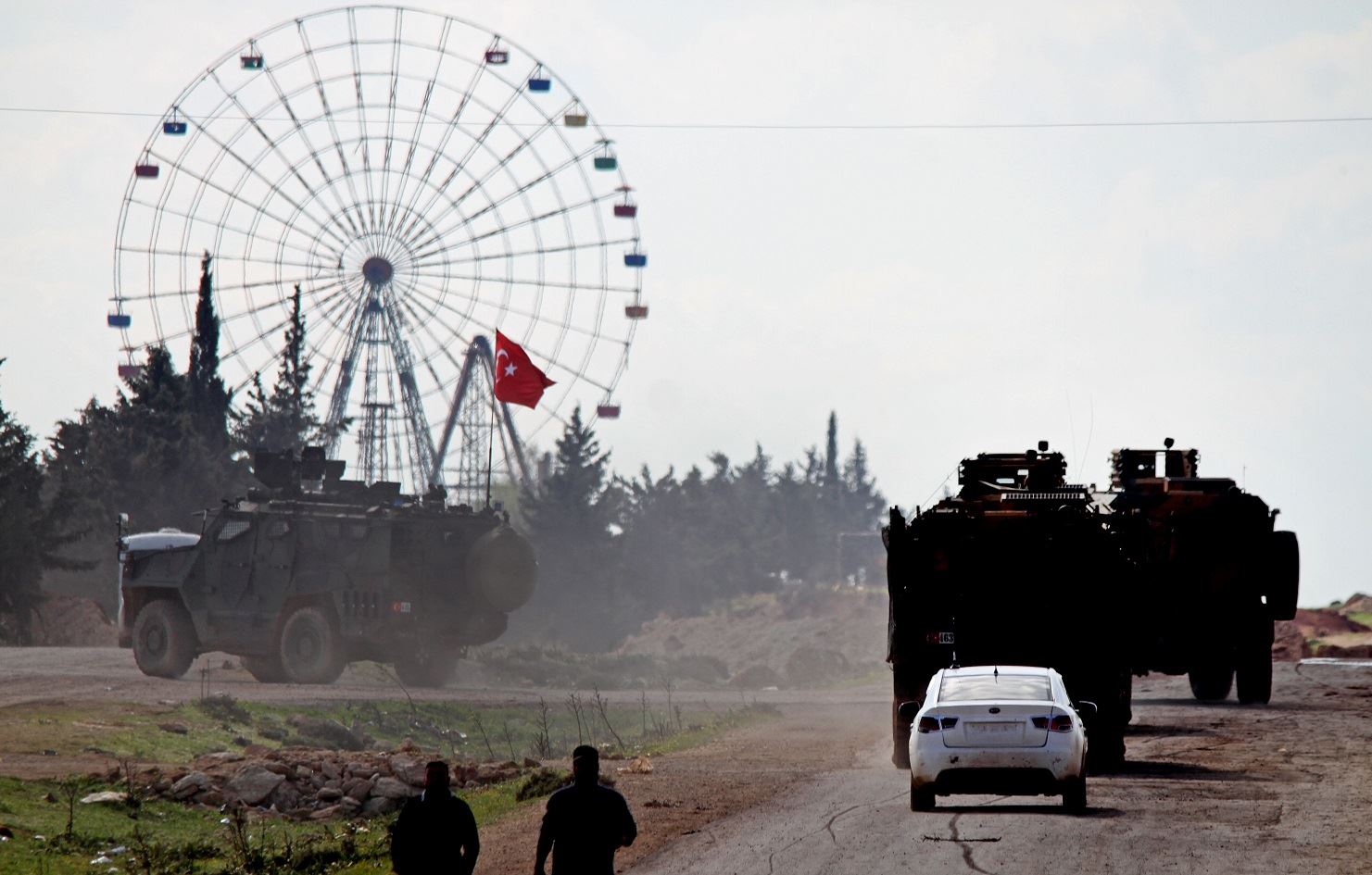
A Turkish military vehicle drive on M4 highway on March 21, 2020. Photo: Abdulwajed Haj Esteifi
ERBIL, Kurdistan Region - Turkey’s control of water facilities in northeast Syria is impeding the fight against COVID-19, Human Rights Watch reported on Monday.
Turkish-backed forces seized Allouk water station in October 2019 during Operation Peace Spring, designed to push Kurdish-led forces from the area. Located near the town of Sari Kani (Ras al Ain), 460,000 people in Hasakah governorate have since lost their main supply of water, including those in displacement camps.
“Turkish authorities' failure to ensure adequate water supplies to Kurdish-held areas in Northeast Syria is compromising humanitarian agencies' ability to prepare and protect vulnerable communities in the COVID-19 pandemic,” the US-based monitor said in a statement accusing Turkey of “weaponising water.”
The “repeated interruptions” to water supply have made encouraging basic hygiene measures to stem the spread of the virus, such as hand-washing, extremely difficult, according to NGOs in the area.
The lack of water is also exacerbating unsanitary conditions in the region’s displacement camps, making them a hotbed for a potential coronavirus outbreak.
“Human Rights Watch has documented dire conditions in these camps, including overflowing latrines, sewage trickling into tattered tents, and residents drinking wash water from tanks containing worms. These conditions are likely to be exacerbated with the water supplies cut off,” the statement added.
UNICEF warned last week that civilians in the northeast are at a higher risk of contracting COVID-19 due to the disruption to local water supplies.
“The interruption of water supply during the current efforts to curb the spread of the Coronavirus disease puts children and families at unacceptable risk," Fran Equiza, the agency's representative in Syria, said in a statement.
"Water and water facilities must not be used for military or political gains,” he added.
Syria has 10 confirmed cases of the virus - much lower than neighbouring countries.
However, UN officials have added that reports from Damascus are “the tip of the iceberg.”
“All efforts to prevent, detect and respond to COVID-19 are impeded by Syria’s fragile health system, by high levels of population movement, challenges to obtaining critical supplies, including protective equipment and ventilators, and by the practical difficulties of implementing isolation and protective measures in areas of displacement,” said Under-Secretary-General for Humanitarian Affairs and and Emergency Relief Coordinator, Mark Lowcock.
With the country still embroiled in conflict after years of civil war, many have called for a nationwide ceasefire to counter the contagious virus.
“We need cooperation to take place across the front-lines that riddle Syria’s territory. This is not needed tomorrow- but now,” said UN Special Envoy for Syria Geir Pedersen on Monday.
“Syria is at high risk of being unable to contain the pandemic,” he added.
Turkish-backed forces seized Allouk water station in October 2019 during Operation Peace Spring, designed to push Kurdish-led forces from the area. Located near the town of Sari Kani (Ras al Ain), 460,000 people in Hasakah governorate have since lost their main supply of water, including those in displacement camps.
“Turkish authorities' failure to ensure adequate water supplies to Kurdish-held areas in Northeast Syria is compromising humanitarian agencies' ability to prepare and protect vulnerable communities in the COVID-19 pandemic,” the US-based monitor said in a statement accusing Turkey of “weaponising water.”
The “repeated interruptions” to water supply have made encouraging basic hygiene measures to stem the spread of the virus, such as hand-washing, extremely difficult, according to NGOs in the area.
The lack of water is also exacerbating unsanitary conditions in the region’s displacement camps, making them a hotbed for a potential coronavirus outbreak.
“Human Rights Watch has documented dire conditions in these camps, including overflowing latrines, sewage trickling into tattered tents, and residents drinking wash water from tanks containing worms. These conditions are likely to be exacerbated with the water supplies cut off,” the statement added.
UNICEF warned last week that civilians in the northeast are at a higher risk of contracting COVID-19 due to the disruption to local water supplies.
“The interruption of water supply during the current efforts to curb the spread of the Coronavirus disease puts children and families at unacceptable risk," Fran Equiza, the agency's representative in Syria, said in a statement.
"Water and water facilities must not be used for military or political gains,” he added.
Syria has 10 confirmed cases of the virus - much lower than neighbouring countries.
However, UN officials have added that reports from Damascus are “the tip of the iceberg.”
“All efforts to prevent, detect and respond to COVID-19 are impeded by Syria’s fragile health system, by high levels of population movement, challenges to obtaining critical supplies, including protective equipment and ventilators, and by the practical difficulties of implementing isolation and protective measures in areas of displacement,” said Under-Secretary-General for Humanitarian Affairs and and Emergency Relief Coordinator, Mark Lowcock.
With the country still embroiled in conflict after years of civil war, many have called for a nationwide ceasefire to counter the contagious virus.
“We need cooperation to take place across the front-lines that riddle Syria’s territory. This is not needed tomorrow- but now,” said UN Special Envoy for Syria Geir Pedersen on Monday.
“Syria is at high risk of being unable to contain the pandemic,” he added.


Comments
Rudaw moderates all comments submitted on our website. We welcome comments which are relevant to the article and encourage further discussion about the issues that matter to you. We also welcome constructive criticism about Rudaw.
To be approved for publication, however, your comments must meet our community guidelines.
We will not tolerate the following: profanity, threats, personal attacks, vulgarity, abuse (such as sexism, racism, homophobia or xenophobia), or commercial or personal promotion.
Comments that do not meet our guidelines will be rejected. Comments are not edited – they are either approved or rejected.
Post a comment