
"We have more than 75,000 subscribers everywhere except for the centers of Erbil and Sulaimani. It is unjust for people to have access to your encrypted channels for 3-4 years," Karokh Nuradin, the general manager of United Mix Media, told Rudaw.
So far, 40 channels have been encrypted by the company.
"What we have done is to balance the type of services from the centers of Erbil and Sulaimani with the rest of Kurdistan from Zakho to Kalar,” said Nuradin.
Previously people outside of central cities in the Kurdistan Region had to buy a receiver to access their services. Now everyone will have to buy receivers that cost about 39,000 dinars (about $33). The system will range from 6,000 ($5) per month to 36,000 ($30) per year.
Nuradin explained that from 2012 until now they have broadcasted for free.
"We haven't profited … even one cent,” said Nuradin.
Broadcasters pay monthly fees for United Mixed Media to relay their signals.
Erbil's provincial council has twice filed lawsuits against United Mix Media for changing the system.
Ali Rashid, the head of the council, says that the Ministry of Culture and the Ministry of Transportation and Communication aren't serious about putting an end to the company's efforts to encrypt the channels.
He called for the contracts between the company and the relevant ministries to be disclosed for more transparency.
Nuradin, however, argues they have already once postponed the start of the new system, especially in 2014, due to the war against ISIS. He argued that the encryption and change in their system will allow for better services to suffice people’s complaints.
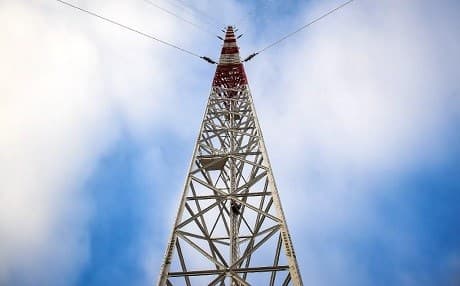
He also cites financial concerns, explaining they have set up more than 20 transmitting towers across the Kurdistan Region. These stations need constant electricity, supplied by their generators, which require fuel.
While United Mix Media has started its efforts to undertake the encryption, its competitor, iStar, says even if it does start encryption, it will provide six months free.
iStar broadcasts 56 channels for free, but only in Erbil and so far it hasn’t announced plans to start encrypting.
"They have stopped it, but we won't just stop it now. Even if we stop [airing for free], there will be six months free," Mui'n Sheikh Salih, iStar’s general manager, told Rudaw.
United Mix Media, following the events of October 16, stopped its services in Kirkuk, arguing that deteriorated electricity and internet availability hindered their services. So they withdrew from the city.
People, however, are afraid that the change from free to a paid one is too much during this financial crisis.
"Where should the people get the money to buy cards? I myself can't. I don't have a salary. I don't have anything. How can I recharge it?" one person told Rudaw.
The company notified media companies in letter dated May 24 of the encryption in the Kurdistan Region, including Rudaw TV.

.jpg&w=3840&q=75)