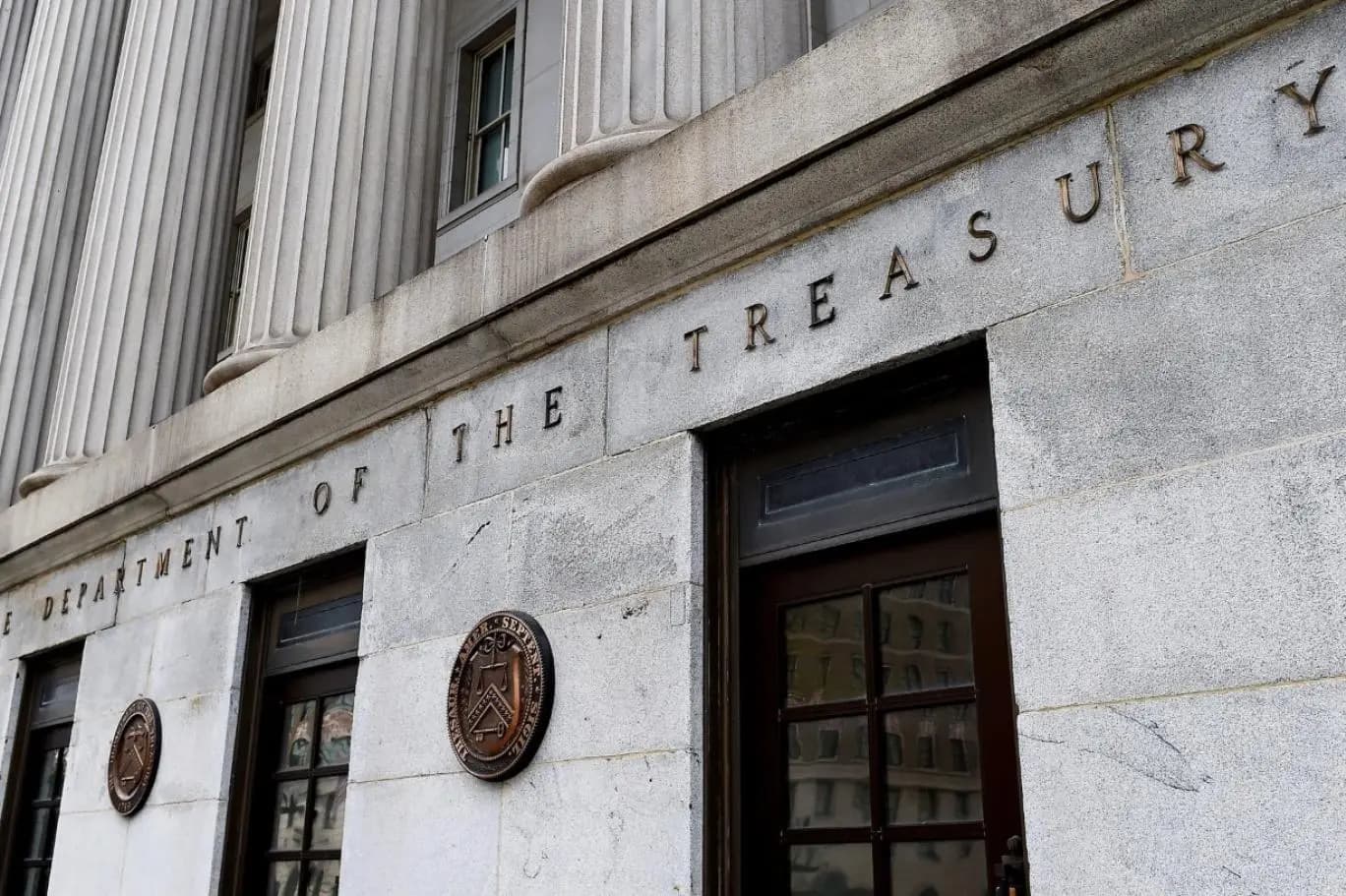

ERBIL, Kurdistan Region - The United States Treasury Department on Wednesday imposed sanctions on Greece-Panama-based law firm Karnakis and Karnakis for allegedly helping Iran evade economic restrictions amid continuing tensions in the US-Israeli war with Iran.
The Treasury Department said in a statement that the law firm had been setting up shell companies in support of Iran’s “shadow fleet to transport Iranian petroleum and petrochemicals and to evade U.S. sanctions.”
The statement accused the company of establishing fronts for both the Islamic Revolutionary Guard Corps (IRGC) and the Iran-aligned Ansarullah movement, widely known as the Houthis, in Yemen. The department sanctioned five individuals linked to the firm, a ship management company in Panama, as well as shipping agents in Singapore and Dubai “that helped move Iranian cargo through ports around the world.”
The firm has yet to respond to the Treasury Department's allegations. Iran’s state-run IRNA news agency has reported on the sanctions, but Tehran has not issued an official response.
According to the Treasury Department, the firm has “created companies that served as fronts for networks selling millions of barrels of Iranian oil to benefit the Islamic Revolutionary Guard Corps-Qods Force and the Houthis.”
The move marks Washington’s latest economic offensive against Tehran under the banner of Operation Economic Outcast, aimed at further squeezing Iran’s economy and severing its access to key shipping networks used to transport oil.
“We call on governments, flag registries, port authorities, and the private sector to watch for the warning signs of shadow fleet activity and to stop doing business with anyone who helps Iran evade sanctions,” the statement added.
Alongside the statement, US Treasury Secretary Scott Bessent stated on X, "Whether you are conducting illegal oil transfers at sea or sitting in the corner office of a law firm, if you are supporting the Iranian regime, we will find you and sanction you.”
The US blockade of the Strait of Hormuz has been the most visible part of this operation, having attempted to stop any Iranian vessels from transiting the strait since mid-July.
Both the US and Iran have imposed tit-for-tat restrictions on this vital waterway that was responsible for one-fifth of global oil transportation before the US-Israeli war with Iran that broke out in late February.
Iranian Foreign Minister Abbas Araghchi announced Wednesday that Tehran “is prepared to give diplomacy another chance if we see strong evidence of a sincere desire by US to build trust and reach a just solution,” warning that if the US “chooses war over diplomacy, it’ll certainly result in an even greater strategic failure.”
Araghchi’s statement follows his reaffirmation of Tehran’s seven-day plan that would open the Strait of Hormuz if Washington agrees to lift economic sanctions.