
ERBIL, Kurdistan Region - The United States has imposed sanctions on 17 shadow fleet vessels it says Iran uses to move “billions of dollars’ worth” of oil, a step Washington says “effectively neutralizes the vast majority” of Tehran’s remaining fleet and frames as part of the wider Operation Economic Outcast it launched against Iran some seven weeks ago.
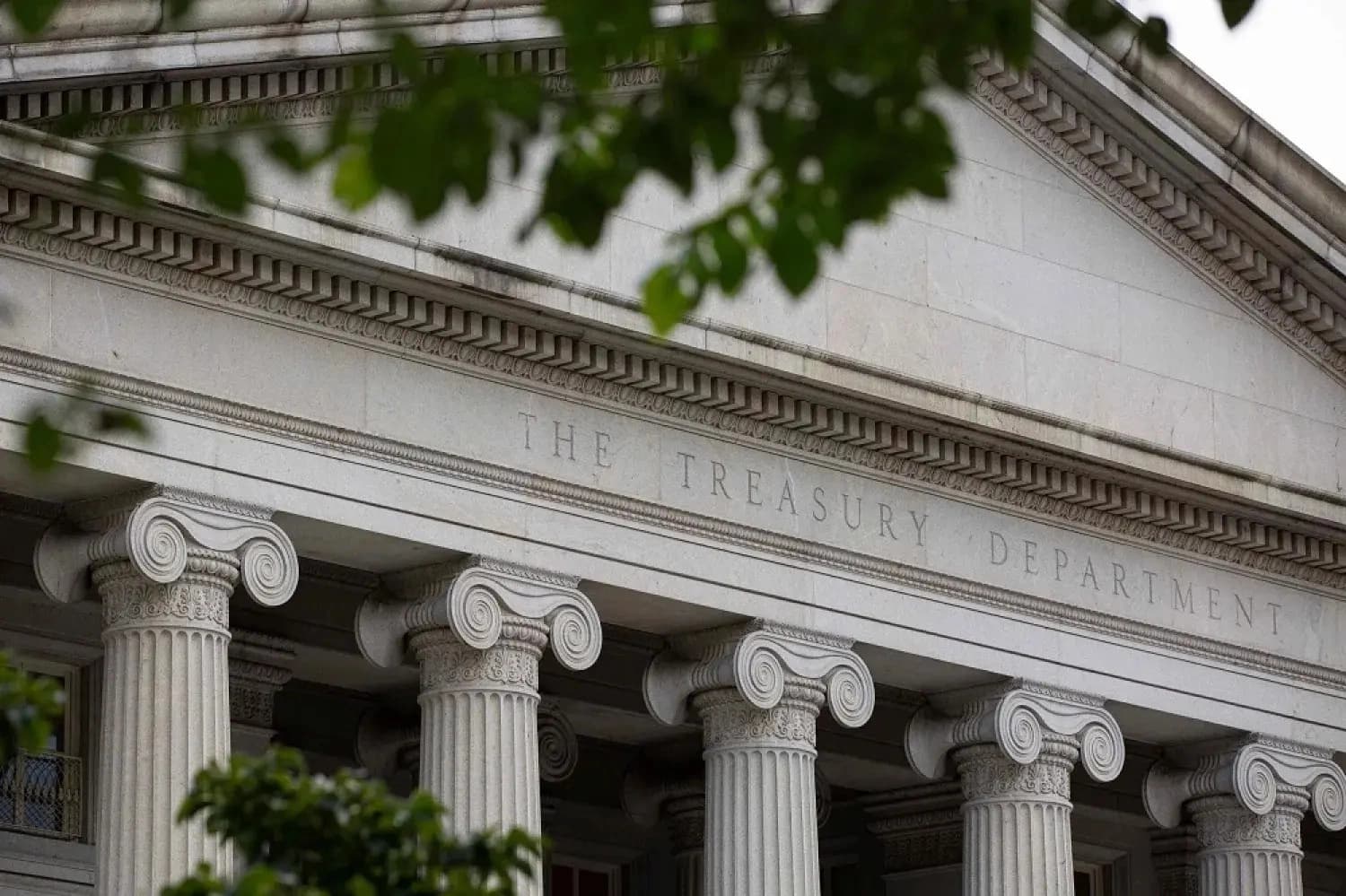
The US Treasury Department said in a statement late Thursday that it was “targeting the remnants of Iran’s shadow fleet: the aging network of tankers the regime relies on to move billions of dollars’ worth of petroleum and petroleum products to foreign markets.”
“Today’s action effectively neutralizes the vast majority of Iran’s remaining shadow fleet network,” it said.
The Treasury further detailed that its Office of Foreign Assets Control (OFAC) “took action against 17 shadow fleet vessels responsible for transporting millions of barrels of Iranian crude oil and petroleum and petrochemical products to a variety of markets in South and East Asia.”
“The vessels involved, registered across more than a dozen jurisdictions and operated by an intricate web of international front companies,” it said, noting that “by dismantling these maritime nodes and the companies behind them, Treasury is severing core channels the Iranian regime has long relied on to circumvent U.S. sanctions, sustain its petrochemical sector, and funnel resources to destabilizing actors.”
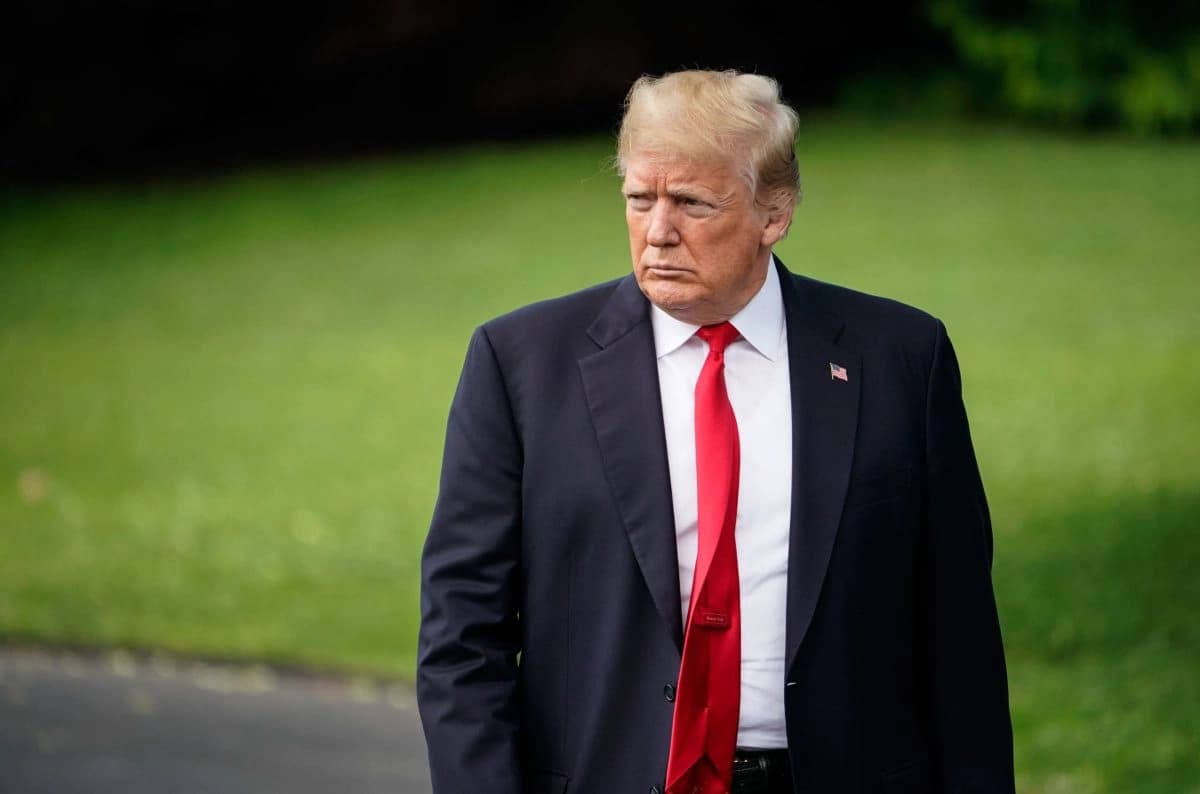
Importantly, the Treasury framed the action as part of Operation Economic Outcast, which the US launched against Iran in late August. In early September, US President Donald Trump described it as “the most crushing economic operation ever taken against any country,” calling it “economic warfare and isolation on an unprecedented scale.”
“Any country that allows its financial institutions, businesses, airports, or government entities to provide any type of lifeline to Iran will itself face tremendous economic consequences,” he then said, adding that “oil smuggling, swap lines, cash transfers, exchange houses, ship registries, front companies - it all needs to stop now.”
The economic escalation followed the US launch in mid-April of the Economic Fury campaign - the financial counterpart to Operation Epic Fury, a six-week joint US-Israeli military campaign that began in late February and saw the two countries strike thousands of targets across Iran.
On Thursday, Trump said Washington was holding “very productive” talks with Iran on ending the war, adding, “We will not be attacking Iran at any time prior to the Midterm Elections to be held in the United States on November 3rd.” At the same time, however, he indicated that economic pressure on Tehran would remain in place, saying “the Blockade will remain in full force and effect.”
In a similar vein, US Treasury Secretary Scott Bessent said his department was “starving the tyrannical regime in Tehran of the money it uses to wage war in the region, and we will continue exposing those who enable the regime’s oil sales.”
“No enabler of Iranian sanctions evasion is safe from the full force of Treasury’s authorities,” he warned.