
ERBIL, Kurdistan Region - The United States on Wednesday imposed fresh sanctions on two companies it described as integral to an "extortion scheme" carried out by Iran's Islamic Revolutionary Guard Corps (IRGC) against commercial vessels transiting the Strait of Hormuz, along with eight vessels and eight offshore entities it said were "actors" in Tehran's "shadow fleet."
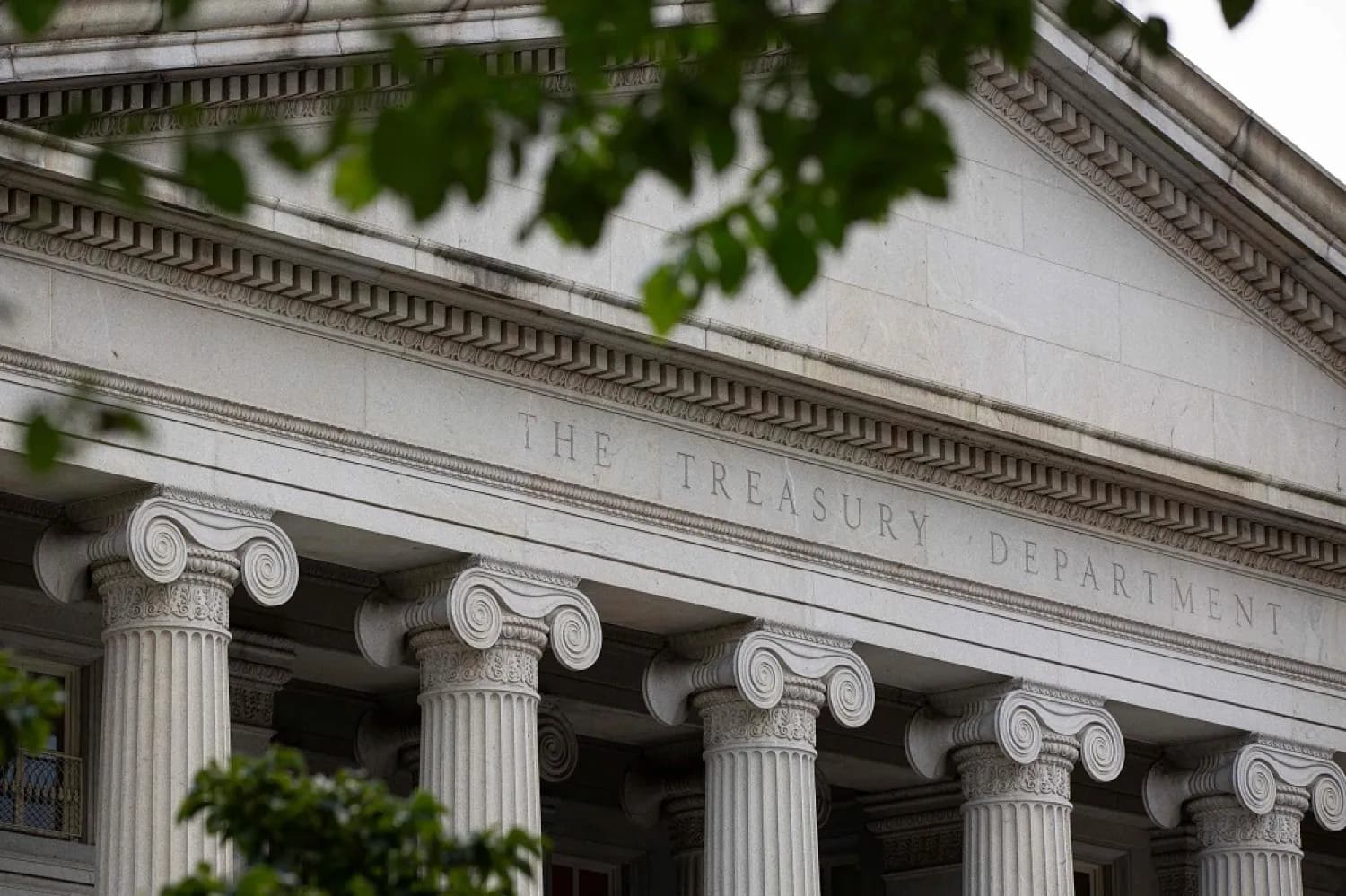
The US Department of the Treasury said its Office of Foreign Assets Control (OFAC) is "designating two firms integral to an Islamic Revolutionary Guard Corps (IRGC)-backed extortion scheme that forces commercial vessels to purchase mandatory maritime 'insurance' to transit the Strait."
"Although this coverage purports to protect vessels from risks such as seizures, these risks are overwhelmingly created by Iran itself," the Treasury said.
The designated firms - Persian Gulf Marine Insurance Company and HormuzSafe Marine Services Authority - broker "IRGC-approved policies designed to extract revenue under the guise of maritime services, including payments in digital assets to evade sanctions," the Department added, noting that the scheme allows Tehran to "tighten control over shipping activity and funnel funds into IRGC operations."
The US launched its high-intensity Economic Fury campaign in mid-April, aiming to isolate Tehran from the global financial system and cut off its remaining revenue streams. Economic Fury is the financial counterpart to Operation Epic Fury, the joint US-Israeli military campaign launched against Iran on February 28 that struck thousands of targets across the country.
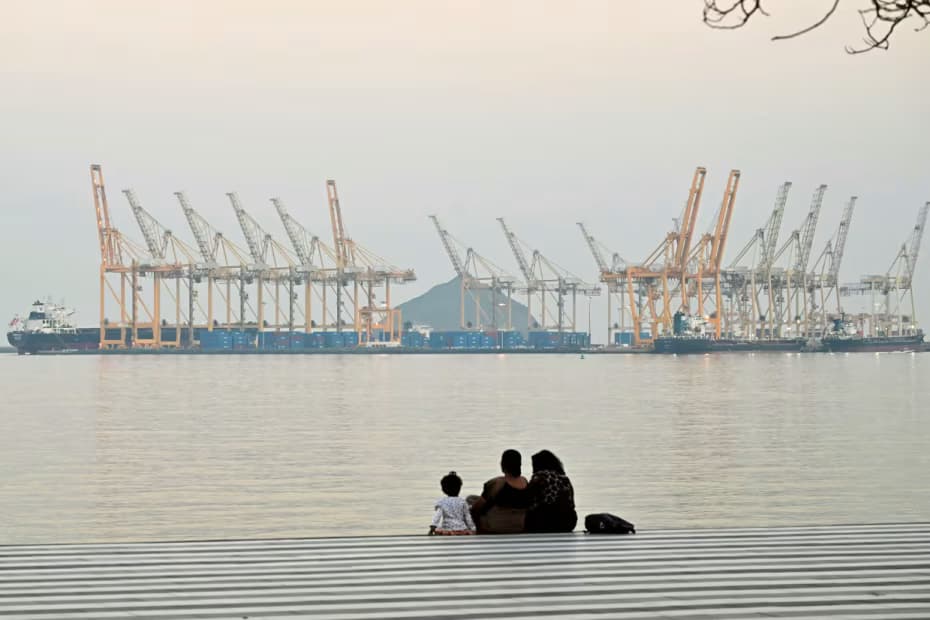
Iran responded with thousands of drone and missile strikes across the Middle East, targeting alleged US assets and launching retaliatory attacks against Israel. The Iranian military also restricted access through the Strait of Hormuz, which handles roughly 20 percent of global seaborne oil trade; the disruption pushed global oil prices up by 40 to 50 percent.
After around six weeks of hostilities, a Pakistan-mediated two-week ceasefire took effect on April 8, halting fighting to allow talks to proceed. In mid-June, Iran and the US agreed to the Islamabad Memorandum of Understanding, establishing a cessation of military operations across all fronts and ending maritime restrictions by both sides.
Despite the MoU guaranteeing "permanently toll-free" passage through Hormuz, Iranian officials argued they retained the sovereign right to impose "service fees" or demand authorization from vessels transiting territorial or coastal waters.
The IRGC also attacked at least seven commercial vessels transiting the Strait, reportedly due to disputes over transit fees, before maritime traffic effectively halted in mid-July, when Iran and the US engaged in a new round of strikes that continued before pausing on Friday.
The Treasury on Wednesday described the new sanctions on IRGC-affiliated firms as targeting "the Iranian regime's desperate efforts to monetize the Strait of Hormuz and prop up the nation's failing economy."
Moreover, the Treasury sanctioned eight international entities - based in Hong Kong, China, and the Marshall Islands - and eight tankers from Iran's "shadow fleet," which it said were moving “millions of barrels of Iranian crude oil and petroleum products” to China and the United Arab Emirates (UAE).
"Since the beginning of the year, OFAC has sanctioned over 100 vessels linked to Iran's shadow fleet, a covert logistics network that enables the regime to keep oil revenues flowing despite international sanctions,” the Department said.