ERBIL, Kurdistan Region - The European Union on Monday denounced ongoing Iranian attacks on the Kurdistan Region amid renewed regional hostilities, warning that the strikes severely threaten the stability of Iraq, describing it as “a key for the EU and the wider region.”
“The EU is particularly worried about the ongoing escalation and condemns Iranian attacks on neighbouring countries across the Gulf, Kurdistan Region of Iraq and Jordan as well as Iran’s actions disrupting freedom of navigation in the Strait of Hormuz,” an EU spokesperson told Rudaw’s Osama Mohammed.
The spokesperson added that the bloc “deplores” the resumption of confrontations between Iran and the United States.
The Kurdistan Region has been a primary target for Iran and the aligned “Islamic Resistance in Iraq” since February 28, when the US and Israel launched a joint military campaign against Tehran.
“Since the start of the war, Iraqi soil has been used for attacks and counter-attacks from all parts, in particular in the Kurdistan Region of Iraq (KRI),” the spokesperson noted.
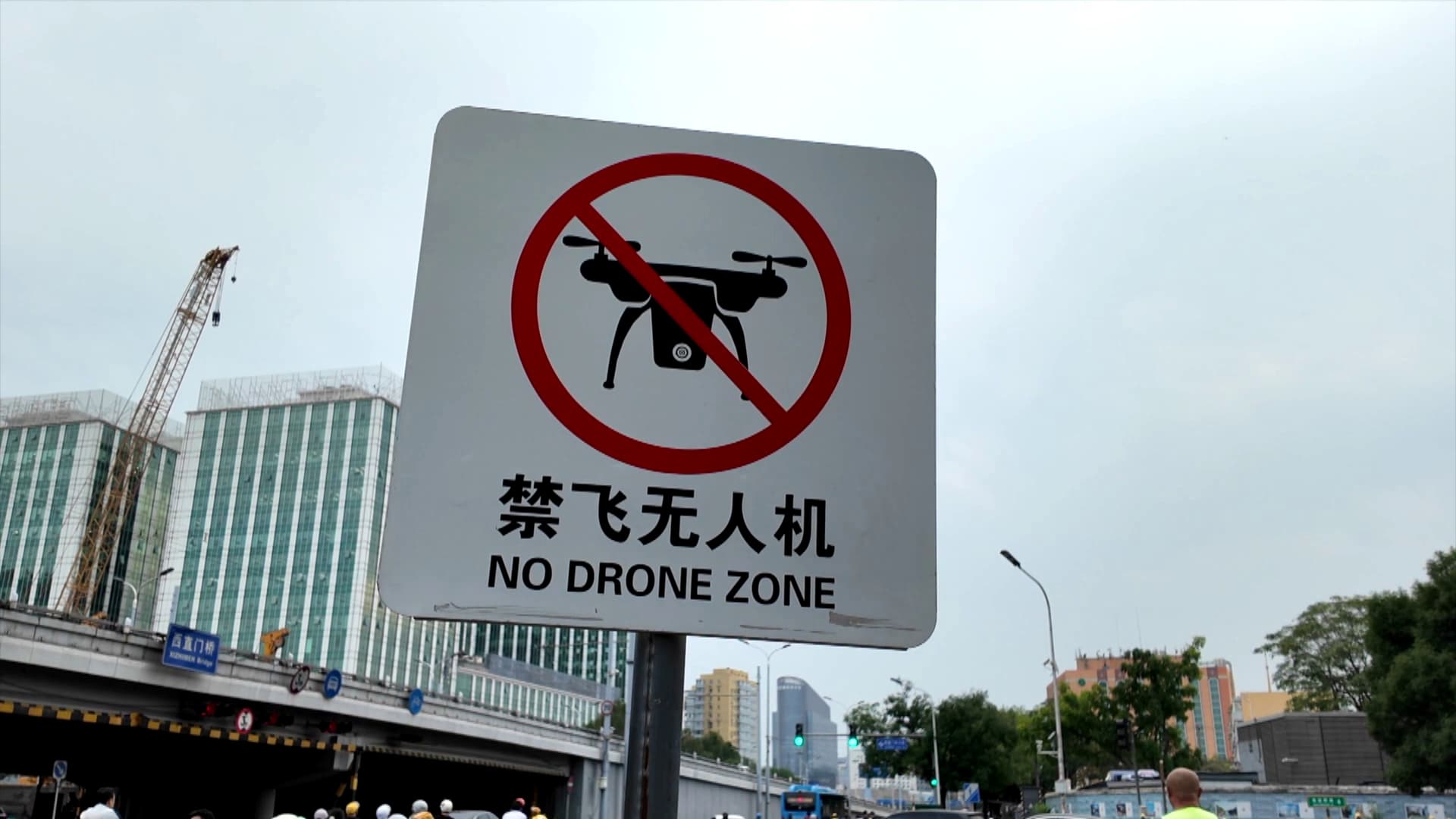
According to Rudaw’s records, Iran and its aligned groups in Iraq have struck the Kurdistan Region with at least 918 drones since late February. The cross-border attacks have killed 30 people and injured 148 others. Nearly 50 drones and missiles hit the Region in the first three weeks of July.
“We stand in full solidarity with Iraq and its people, as well as the entire region living under constant threat and continued escalation,” the EU official said.
Tensions between Washington and Tehran flared up just a week after the two sides signed a landmark memorandum of understanding in mid-June. The agreement was intended to extend a shaky ceasefire brokered in April and pave the way for negotiations over thorny issues - specifically freedom of navigation in the Strait of Hormuz, which has become the underlying catalyst for the current round of hostilities.
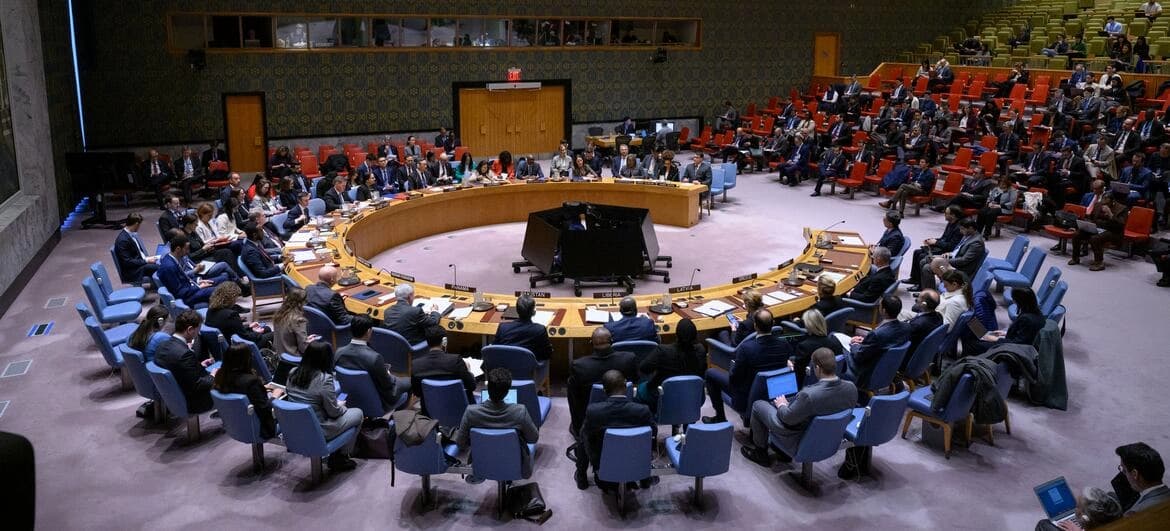
In light of the collapsing truce, the spokesperson emphasized that “the European Union continues to call for an immediate resumption of a ceasefire and negotiations with a view to achieving de-escalation and lasting peace.”
The bloc also highlighted Baghdad’s unique position to facilitate these talks. “As a key regional partner for the EU, we encourage Iraq’s constructive role in restoring regional stability that is centered on respect for international law, good neighbourly relations and economic development,” the spokesperson added.
To achieve this, European diplomats have urged Iraqi officials to take active measures and have “requested the Iraqi leadership to pass the same messages of restraint to Tehran, along with calls for freedom of navigation in the Strait of Hormuz,” the official revealed.
These diplomatic pushes align with broader international mediation efforts picking up behind the scenes. Qatar reportedly submitted a proposal to Iranian Foreign Minister Abbas Araghchi on Wednesday, calling for an immediate 10-day truce.
Meanwhile, Esmaeil Baghaei, spokesperson for the Iranian Foreign Ministry, confirmed on Monday that backchannel efforts by “certain mediators” are underway, adding that Tehran has received “messages from the American side.”