ERBIL, Kurdistan Region - US President Donald Trump said Saturday that at least 1,000 missiles are aimed at Iran and would be fired if Tehran carries out threats to assassinate him, as tensions between Washington and Tehran escalate following the recent exchange of fire.
A thousand “Missiles are Locked and Loaded and aimed at the Islamic Republic of Iran, with thousands of more to immediately follow, should the Iranian Government act on its threat, pronounced in many corners of the Globe, to assassinate, or attempt to assassinate, the sitting President of the United States of America, in this case, ME!" Trump wrote on his Truth Social platform.
"Orders have already been given, and the U.S. Military is ready, willing, and able, for a one year period of time, subject to extension, to completely decimate and destroy all areas of Iran," he added.
The warning came hours after Trump told the New York Post that he had "left instructions" for the US military to respond with overwhelming force should Iran succeed in killing him, saying he has been "number one" on Tehran's list of targets "for a long time."
"I've been on their list for a long time. That's what we're dealing with," Trump told the outlet. "The only thing is, I've left instructions - if anything happens, to just literally bomb them at levels that they've never seen before."
Trump dismissed reports that Israel had passed on intelligence pointing to a fresh Iranian plot against him, saying "Israel came up with nothing" when asked about a specific threat.
Threats amplified at Khamenei's funeral
The president's remarks follow days of open calls for his assassination during the state funeral of Iran's Supreme Leader Ali Khamenei, who was killed alongside his wife and infant granddaughter in a US-Israeli strike on February 28 that triggered the war between Iran and the United States.
Millions of mourners packed Tehran's Grand Mosalla and other cities across Iran and Iraq for the six-day funeral, which ran from July 3 to 10 and included stops in Qom, Najaf and Karbala before Khamenei's burial at the Imam Reza shrine in Mashhad. Crowds chanted "Death to America" and carried banners reading "We Will Kill Trump" and "There Will Be Blood," while some displays offered bounties reported as high as $120 million for the president's assassination.
At the funeral prayers, poet Mohammad Rasouli, serving as master of ceremonies, told the crowd that killing Trump was a "duty" and asked why "the most bastard man in the world" was still alive. Iran's new Supreme Leader, Mojtaba Khamenei, has not appeared in public since his father's death.
Ceasefire collapse
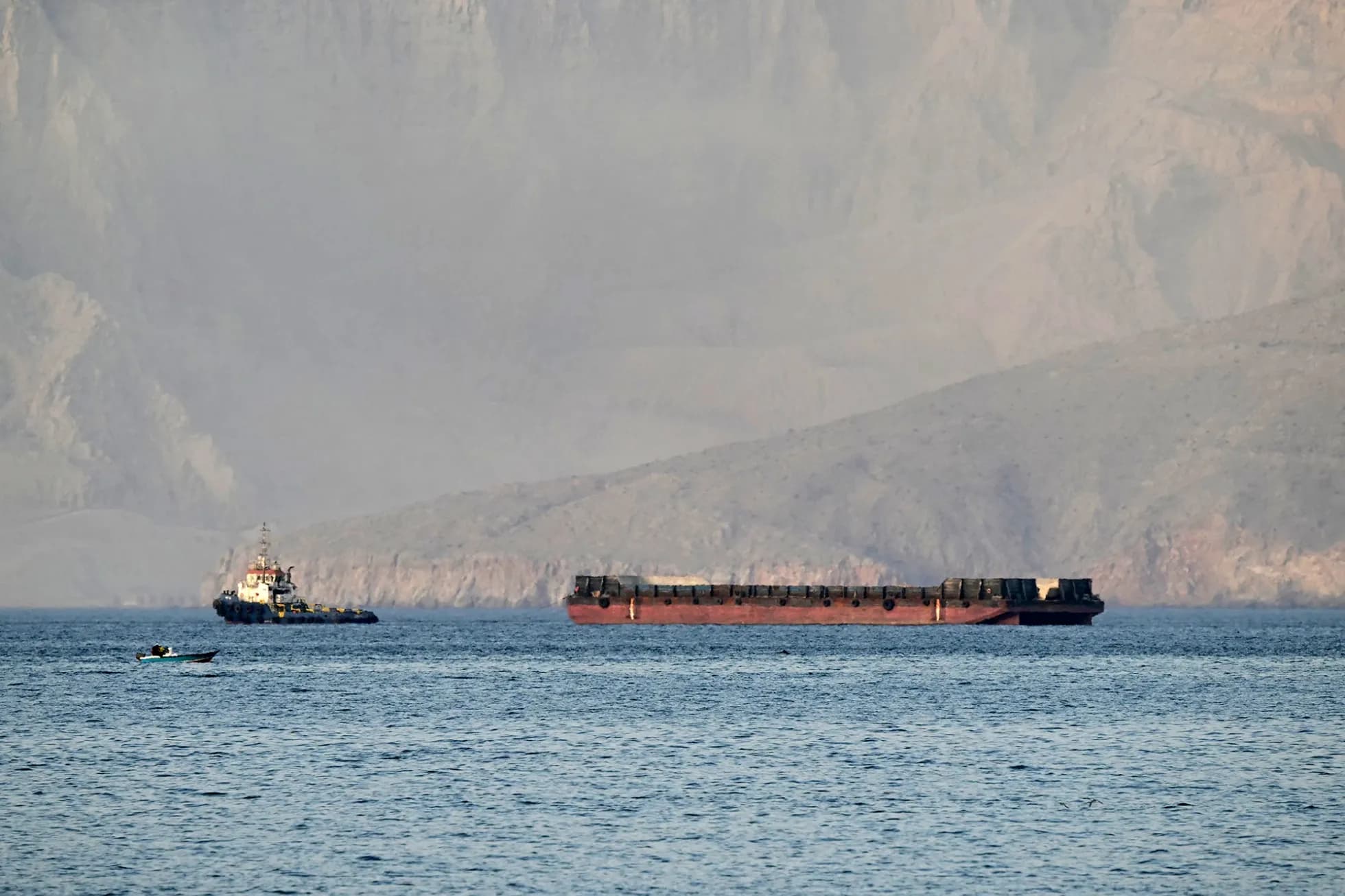
Trump's latest threat comes amid the sharpest escalation between Washington and Tehran since a ceasefire framework was reached under the Islamabad Memorandum in mid-June. Trump declared the truce over this week after Iran struck three commercial vessels transiting the Strait of Hormuz. In response, US Central Command carried out strikes on more than 170 targets across southern Iran in recent days, and Iran retaliated with attacks on alleged US assets in several Arab countries.
Despite declaring the ceasefire finished, Trump said Friday that Washington had agreed to continue talks after a request from Tehran, writing that "the United States has stated to them, in no uncertain terms, that the Cease Fire is OVER!"
Iran's chief negotiator and parliament speaker, Mohammad Bagher Ghalibaf, said Friday that the conflict would never end with Iran's surrender, telling state broadcaster IRIB that Tehran remained "prepared for a full-scale defense" should Washington breach the agreement.
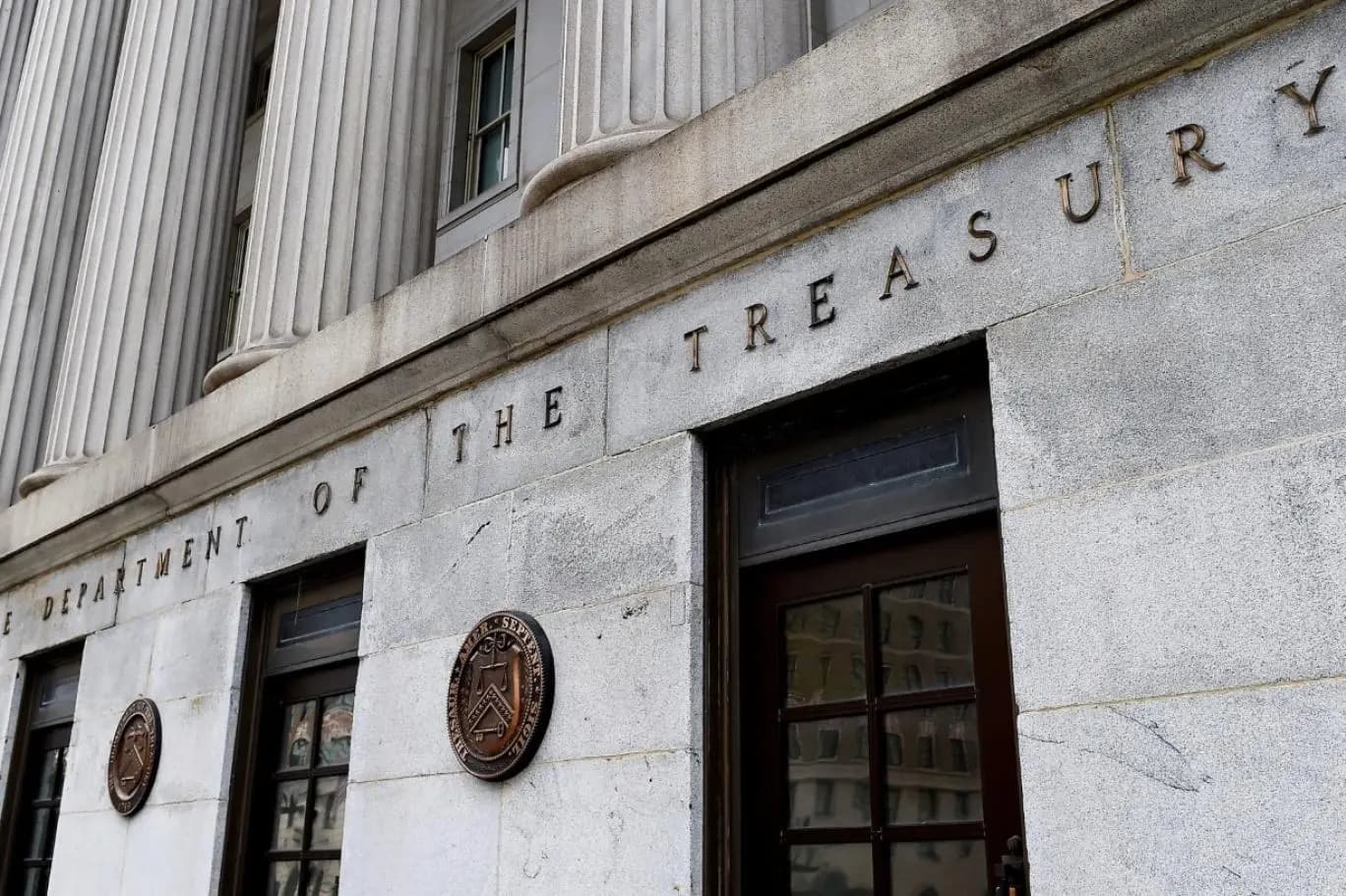
Iranian Foreign Minister Abbas Araghchi accused the US Treasury of violating the memorandum's terms by imposing fresh sanctions, writing on social media that "there can only be mutual compliance."
The US Treasury said Friday it had sanctioned an Iranian financial facilitator accused of institutionalizing large-scale embezzlement within the Iranian regime, along with exchange houses that move billions of dollars annually for sanctioned Iranian banks.
A senior US official told Axios that Washington was seeking a statement from Iran by Saturday confirming the Strait of Hormuz remains open to shipping, warning of "harsh consequences" if Tehran refused.