
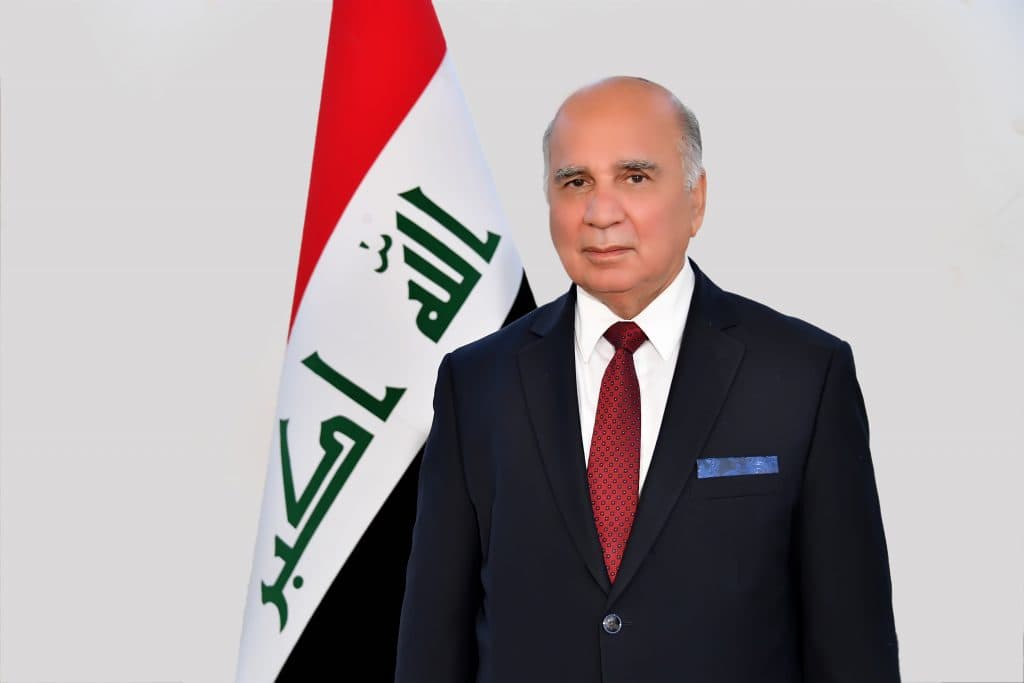

ERBIL, Kurdistan Region - Iraqi Foreign Minister Fuad Hussein discussed on Monday the establishment of an overland Iraqi oil pipeline through Syria during a visit to Damascus, in convenings with Syrian President Ahmad al-Sharaa and foreign affairs and energy ministers.
In a statement from Iraqi state media, Hussein underscored the significance of establishing "an Iraqi oil pipeline running through Syria with talks “focused primarily on the oil lines extending to the Baniyas refinery [on the Syrian west coast].”
He noted that the project will be implemented "under the sponsorship of foreign companies and in coordination with experts and specialists from both the Iraqi and Syrian sides."
Hussein’s meeting in Damascus is the first high-profile visit to the country since the ouster of the Syrian regime in late 2024. The trip followed an invitation extended last week in Jordan on the sidelines of the Arab Consultative Meeting.
The diplomatic push comes as both countries embark on new areas of coordination, including collaboration on oil exports, combating drug trafficking, managing water resources, and repatriating displaced people.
Iraq and Syria have agreed to rehabilitate the historic Kirkuk-Baniyas oil pipeline. The original 800-kilometer, 300,000-barrel-per-day pipeline was rendered inoperable since the US invasion of Iraq in 2003, but both nations are prioritizing its revival to boost regional trade and bypass maritime chokepoints.
Syrian state media reported that Sharaa and Hussein focused on bilateral relations and ways to expand cooperation across various sectors.
In addition, the Iraqi foreign minister met with his Syrian counterpart, Asaad Hassan al-Shaibani, and the country's Energy Minister, Mohammad al-Bashir.
Hussein and Shaibani agreed to establish a high committee for joint coordination, co-chaired by both foreign ministers, to ensure the consistent follow-up and execution of outcomes stemming from bilateral cooperation while streamlining joint initiatives.
According to the joint statement, discussions of mechanisms for oil transit and grid integration ensued, alongside the project to rehabilitate oil pipelines extending from Iraq to Syria.
"Both sides explored avenues to upgrade security coordination and intelligence sharing, bolstering regional stability," the statement read.
Iraq has sought alternative export routes as well as the reactivation of previous pipelines to compensate for the dramatic declines in oil revenue caused by hostilities in and around the Strait of Hormuz since February 28, when the United States and Israel launched a military campaign against Iran.
While the US and Iran agreed to a ceasefire in April, extending it earlier in June, both have maintained restrictions on maritime trafficking in the strategic waterway. Roughly 90 percent of Iraq’s oil exports typically pass through the strait.
Iraq's pre-war exports averaged 92 million barrels a month. That figure dropped to 10 million barrels in April, before moderately recovering to 25 million barrels in June.
Syria offers a critical alternative route for Baghdad. Between April and June, Iraq exported approximately 600,000 barrels of oil to its western neighbor via tanker trucks.

.png&w=3840&q=75)