ERBIL, Kurdistan Region - Europe possesses “a lot of tools” to ensure Iran’s compliance with the protection of minority groups and talks are ongoing with Syrian authorities to enact a constitution that ensures inclusivity, Estonian Prime Minister Kristen Michal and European Union foreign policy chief Kaja Kallas told Rudaw on Thursday, respectively.
The Estonian primer explained that Europe usually resorts to “diplomacy” as “a kind of pressure,” in its control over access to European markets and goods, tacitly referring to sanctions.
EU leaders gathered in Brussels for a two-day European Council summit running from June 18 to June 19. The high-level event brings together EU heads of state to discuss critical geopolitical and economic priorities.
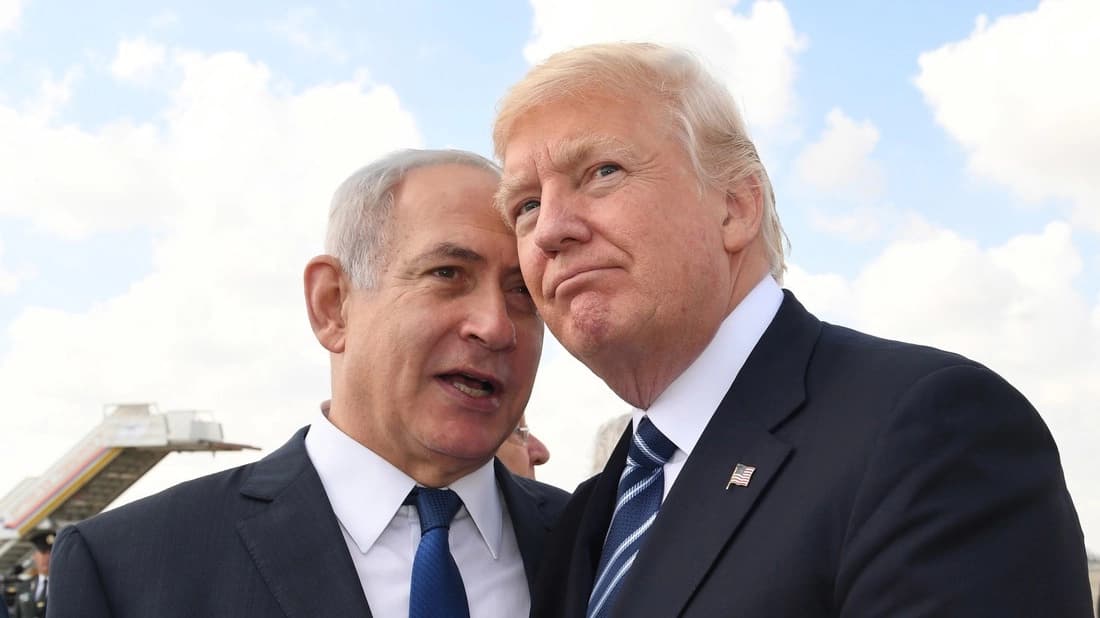
Michal’s remarks came as Iran and the United States have reached an agreement aimed at manifesting reconciliation and rapprochement after nearly five decades of enmity.
US President Donald Trump and Iranian President Masoud Pezeshkian remotely signed a 14-point memorandum of understanding (MoU) on Thursday that puts a halt to current hostilities, enables direct negotiations over lingering issues - including Iran’s nuclear program - and, if implemented, paves the way for Tehran to return to the global stage.
Washington agreed in the MoU to “terminate all sanctions distinctions” against Iran, including United Nations Security Council (UNSC) resolutions, International Atomic Energy Agency (IAEA) Board of Governors resolutions, and all unilateral US sanctions, both primary and secondary, according to an agreed schedule as part of the final deal.
“President Trump signed the agreement between Iran and the United States tonight in Versailles,” Macron confirmed in a statement on X, noting that “this agreement opens the way to lasting peace and allows for the reopening of the Strait of Hormuz.”
Hostilities escalated on February 28, when the US and Israel launched a military campaign against Iran, sparking a six week-long war that led to maritime restrictions and a military blockade.
Amid its opening, Europe eyes the next step by the US to lift sanctions.
In his response to a question raised in the press conference, Michal said lifting sanctions should be based on “certain changes in policy and action.”
“Everything is quite fresh and the negotiations are ongoing,” he said, noting that they will “see how it goes.”
Iran maintains a grave record for human rights. Rights groups estimate that more than 40,000 people have been detained during nationwide protests.
The Human Rights Activists News Agency (HRANA) reported that Iran has carried out 2,063 executions in 2025, the highest annual figure recorded in more than three decades, raising alarm among international rights organizations.
Syria
At the sidelines of the event in Belgium, Rudaw asked Kallas about the status of ethnic and religious groups in Syria.
She stated that they are in “constant contact” with Damascus to stress that the rights of all minorities are accounted for in the constitution.
Kallas elaborated their willingness to cooperate with Syrian authorities to ensure that “the constitution would reflect how the minorities and groups in Syria are treated and how they can work with the institutional buildup.”
Following the collapse of the Assad regime in late 2024, Syria's new transitional government under President Ahmed al-Sharaa enacted a 53-article provisional constitution known as the Constitutional Declaration in March 2025.
Designed to govern a five-year transitional period, the framework codified a highly conservative legal framework, including establishing Islamic jurisprudence as the primary source of legislation, maintaining the official name of the country as the Syrian Arab Republic, and mandating that the president must be Muslim.
The document immediately drew heavy domestic and international criticism for creating a "hyper-presidential" system that lacks a meaningful separation of powers.
Kurdish groups and civil society organizations have repeatedly criticized the drafting process for being heavily centralized, non-inclusive, and failing to provide structural guarantees for Syria's diverse, pluralistic communities.
Mey Dost contributed to this report from Brussels, Belgium.