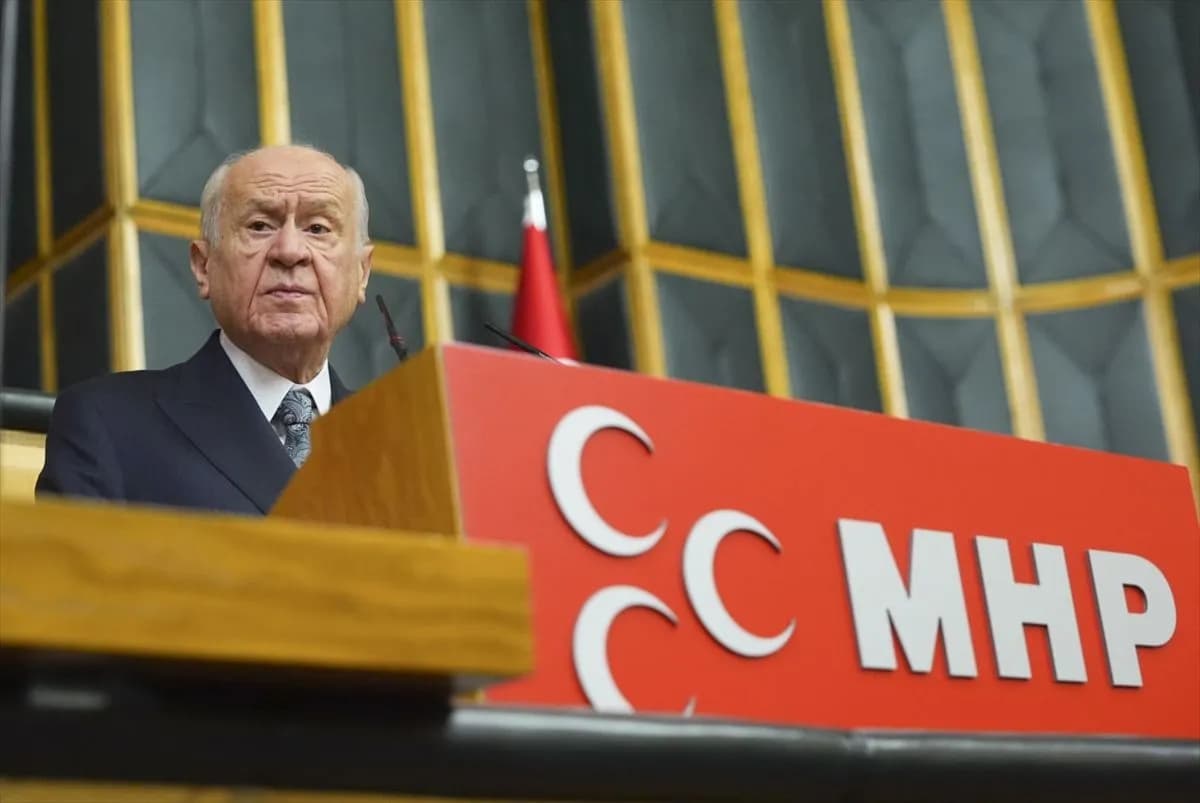

ERBIL, Kurdistan Region - Turkish far-right politician and leader of the Nationalist Movement Party (MHP) Devlet Bahceli on Tuesday voiced support for the expansion of Ankara’s “Terror-Free Turkey” initiative to include a “terror-free region,” calling for the disarmament of “all branches of” the Kurdistan Free Life Party (PJAK), an offshoot of the Kurdistan Workers’ Party (PKK).
Bahceli endorsed a statement made by the Iranian Interior Minister Eskandar Momeni during his visit to Ankara in September, stating that "PJAK and all its branches must end their existence and lay down their arms," state-run Andalou Agency reported, hailing it as ”a new step towards regional peace.”
The statement comes amid progress on the disarmament of the PKK alongside Iraqi Prime Minister Ali al-Zaidi’s initiative to consolidate arms under state control and disarm groups operating outside of the state security apparatus. The statement also comes amid calls for Iraq to "expel" and "hand over" Iranian opposition parties within the Kurdistan Region to Tehran.
Turkey’s interior ministry said at the time that Momeni and his Turkish counterpart were “following the process of dismantling all of the PKK's affiliates operating under different names and in different regions," Anadolu Agency reported in mid-September.
Iranian state media statements following Momeni’s visit did not include any reference to the PKK or PJAK.
Founded in 2004, PJAK is an affiliate of the PKK and it has operated to expand Kurdish autonomy rights in Iran through armed struggle. Ankara has long labeled groups associated with the PKK as terror groups, including the now-dissolved, Kurdish-led Syrian Democratic Forces in Syria.
While PJAK has repeatedly clashed with Iranian security forces in the country, opposition groups inside the Kurdistan Region have not engaged in active military offensives in recent years, despite maintaining their respective armed wings.
Iraq and Iran signed a security agreement on March 19, 2023, under which Baghdad committed to disarming Iranian Kurdish opposition groups based along the shared border and relocating them away from areas bordering Iran.
In September of that year, Iraqi authorities announced that the groups had been disarmed and their border headquarters evacuated, with arrangements underway to accommodate their members as refugees.
Nevertheless, Bahceli maintained that “Armed structures that maintain their existence beyond our borders threaten Turkey's security to the extent that they disrupt the stability of neighboring countries,” noting that "We cannot separate the goal of a terror-free Turkey from the vision of a terror-free region."
After nearly five decades, Bahceli in late 2024 proposed the start of a peace process with the ultimate aim of disarming the Kurdish group in return for granting long-denied cultural and natural rights for the Kurds.
The initiative was backed by PKK’s jailed leader Abdullah Ocalan who in February 2025 called on the group to disband, lay down arms, and prepare to shift from armed to political struggle in Turkey.
In August, Turkey's parliament approved legislation establishing a framework for the reintegration of PKK members, including provisions addressing criminal prosecutions and sentences, subject to verification of the group's dissolution and disarmament.
However, trust deficits between both sides have hindered the implementation of the legal framework.
Earlier in October, the PKK announced the withdrawal of “all” its armed units inside Turkey as well as abandoning several tunnels near the Turkish border from the Kurdistan Region.
“If the value and significance of these steps are not recognized and no steps are taken toward legislation on freedoms, above all, the freedom of our leadership [Ocalan],” the group said. “This means that the Turkish state is continuing its century-old policy of denial and annihilation.”
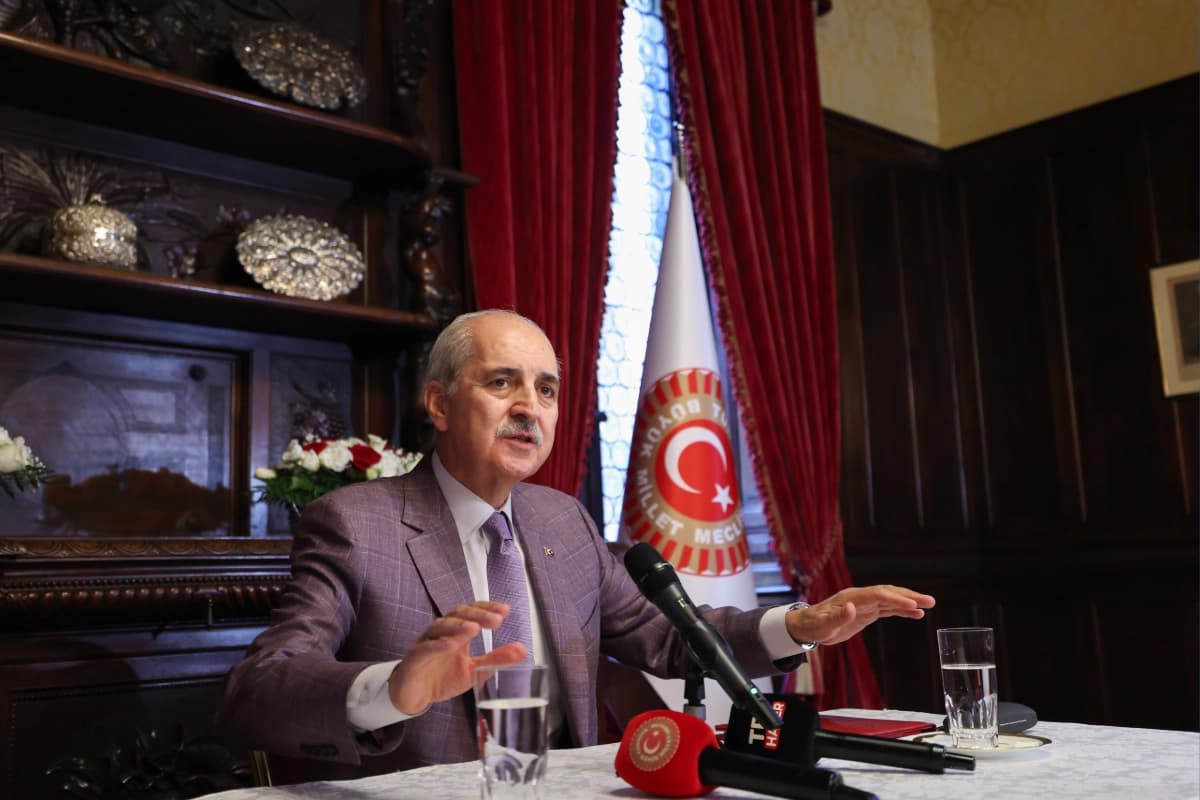
Numan Kurtulmus, Turkish parliamentary speaker, said about a week after the PKK’s statement that the implementation of the law enacted in August will be suspended until the Kurdish group lays down its arms.
“Concerns such as ‘What if they don't lay down their weapons?’ have occasionally been raised by our citizens. If they don't lay down their weapons, the law that has already been adopted will not be implemented,” he stated.