ERBIL, Kurdistan Region - Residents of an Arab-majority neighborhood in Hasaka, northeast Syria, took to the streets on Friday, demanding full central government control over the province as Damascus continues to integrate Kurdish-led institutions and forces into the state.
Dozens of residents from Hasaka city's Ghweran neighborhood marched toward the city center, calling for Damascus to assert its authority across the province and expand the presence of state institutions, according to the Syrian Observatory for Human Rights (SOHR).
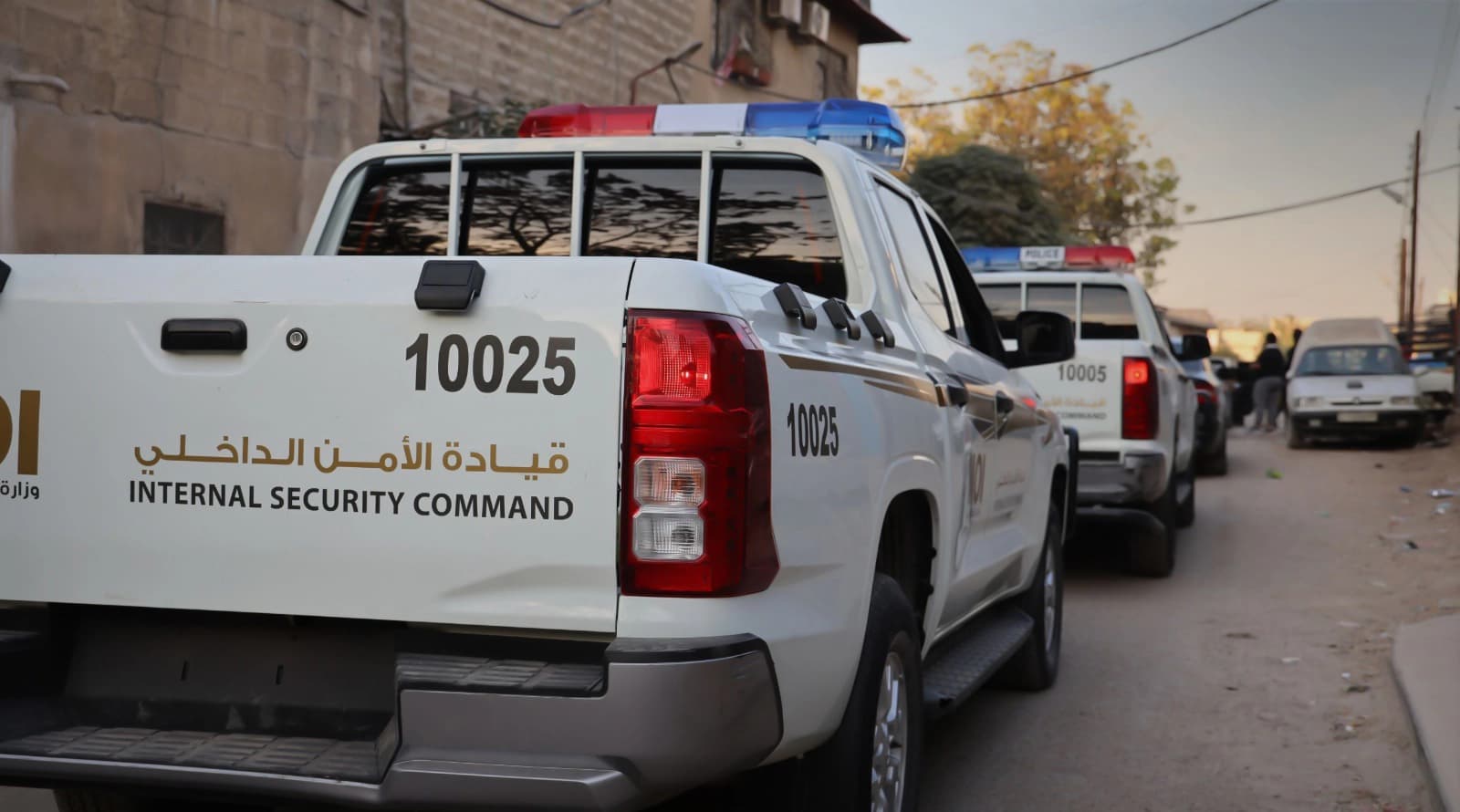
Security forces deployed across Hasaka ahead of the demonstration, which began after Friday prayers.
SOHR said some protesters burned a Kurdish flag after reaching Peace Square in central Hasaka, sparking anger among Kurdish residents. Kurdish demonstrators later took to the streets in support of the Kurdish-led administration and to protest the burning of Kurdish symbols.
"When the demonstrators reached Peace Square in central Hasaka, some of them burned the Kurdish flag in the square despite the presence of [state-affiliated] General Security forces at the site," SOHR reported.
The UK-based monitor said the incident underscored ethnic tensions in the province, which is home to sizable Kurdish and Arab communities.
Similar demonstrations were held in Raqqa and Sare Kani (Ras al-Ain) in support of the Ghweran protesters and their demands for greater state authority in Hasaka.
The protests come as Damascus and the Kurdish-led authorities continue implementing a landmark agreement reached in January aimed at integrating the northeast's military, security and civilian institutions into the Syrian state.
Under the January agreement between President Ahmed al-Sharaa's government and the now-dissolved Syrian Democratic Forces (SDF), civilian institutions in Hasaka province have been incorporated into state structures, while SDF military and security personnel have been integrated into the defense and interior ministries.
Government security forces entered Hasaka city in early February under the agreement, while local security arrangements remained in place in Kurdish areas. The integration process has continued in the months since, leaving parts of the province under a mixture of central government and Kurdish-led administrative and security structures.