
ERBIL, Kurdistan Region - Turkish Foreign Minister Hakan Fidan on Sunday commended the dissolution and integration of the Kurdish-led Syrian Democratic Forces (SDF) into Syria's state institutions as a "valuable" step, during talks in Damascus aimed at bolstering bilateral ties.
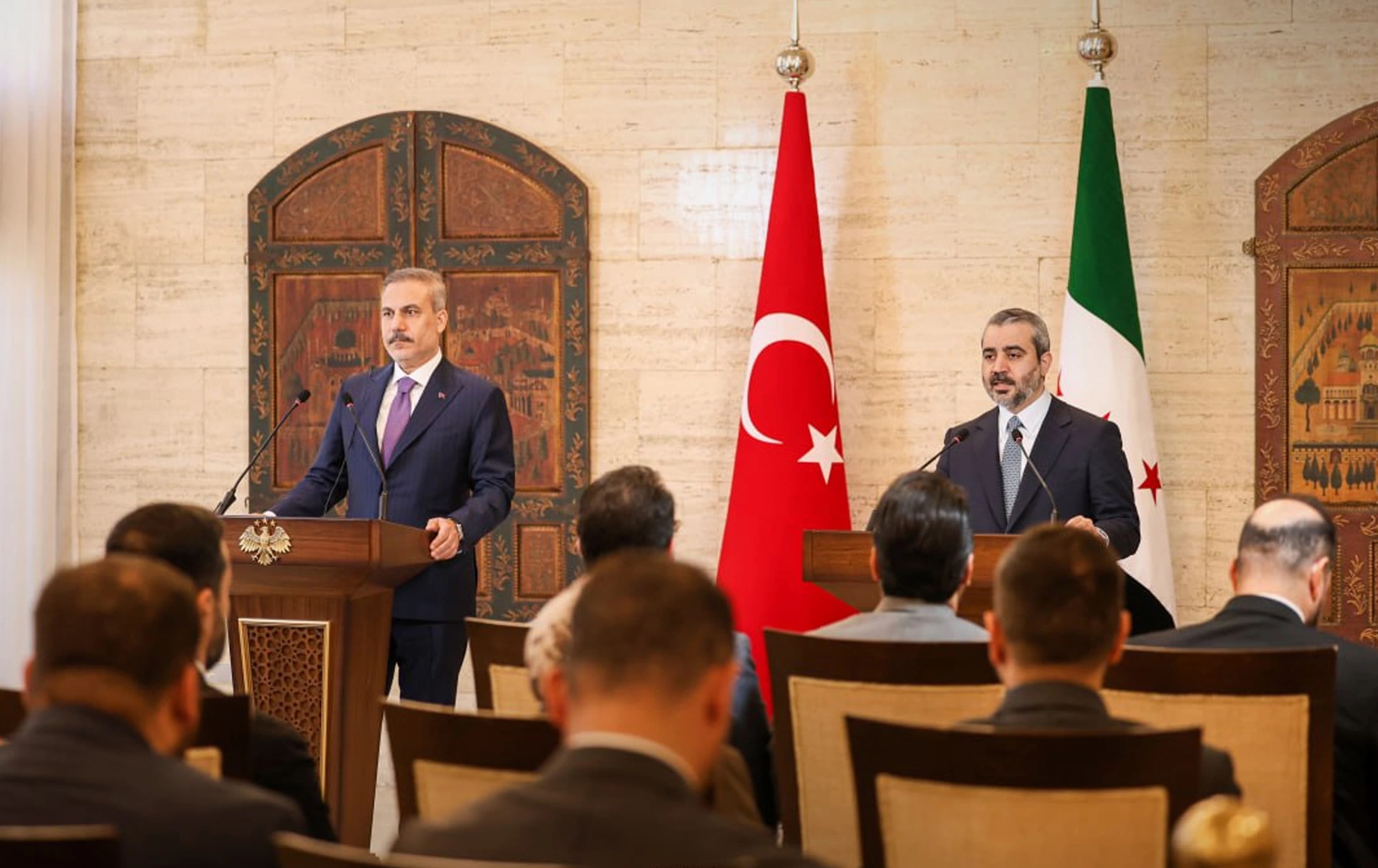
Speaking at a joint press conference with Syrian Foreign Minister Asaad al-Shaibani at the Tishreen Palace, Fidan emphasized the importance of Syria’s "unity, territorial integrity and sovereignty."
“All armed elements must come together and integrate under the umbrella of the state,” Turkish Foreign Minister Hakan Fidan said, according to Syria’s state news agency SANA.
The ministers announced steps to expand political, security, and economic cooperation. Discussions focused on the SDF's structural transition, the repatriation of Syrian refugees from Turkey, and the development of regional transport links.
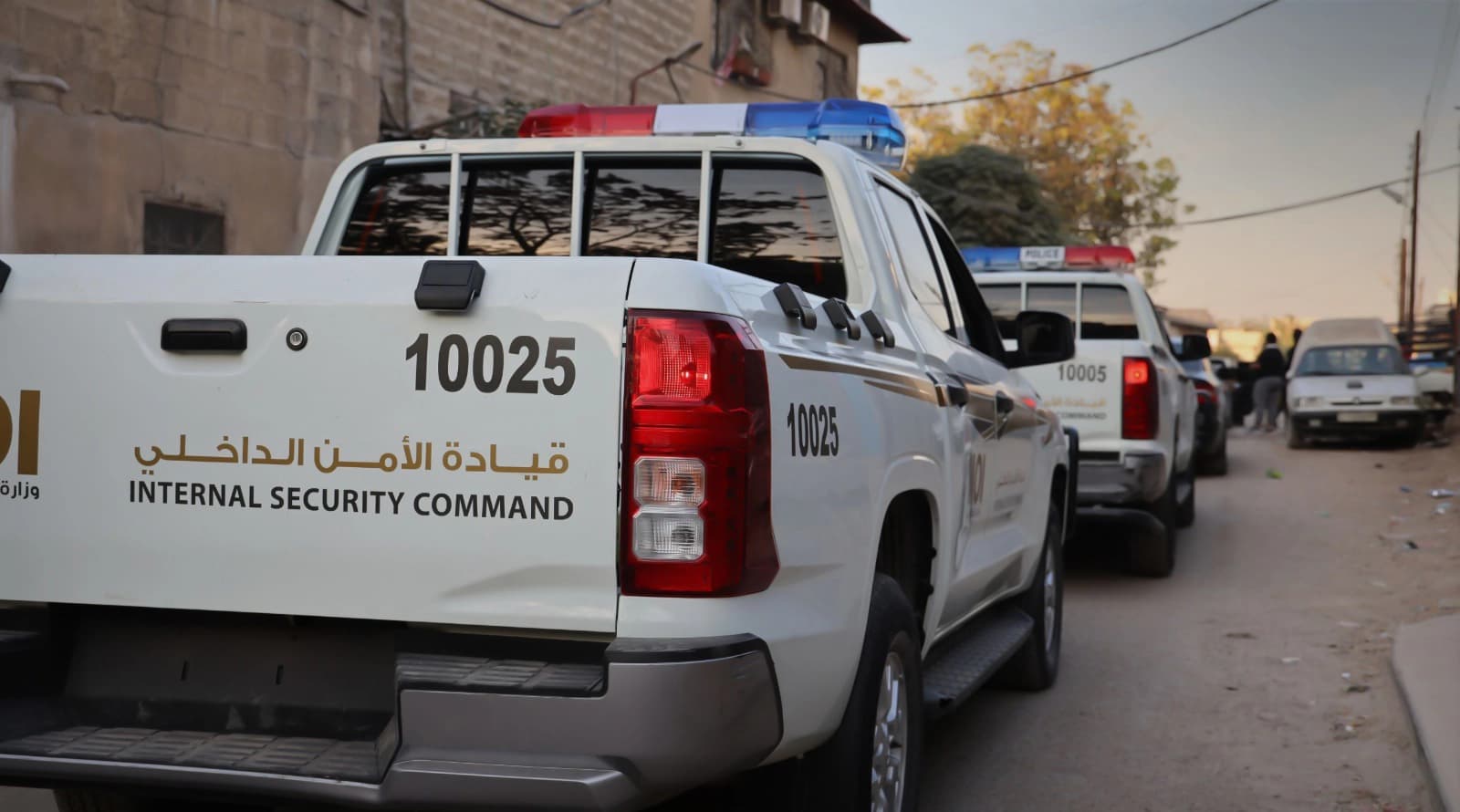
The SDF, which partnered with the US-led coalition to fight the Islamic State (ISIS), announced its dissolution in late August following a January 29 agreement with the transitional Syrian government. Following weeks of clashes, the deal formally integrated the force and the Kurdish region's administrative bodies into state structures.
Former SDF fighters have been incorporated into the Syrian army as brigades while remaining deployed in the Kurdish region. The dissolution fulfills a primary objective for Ankara, which views the SDF’s main Kurdish element, the People’s Protection Units (YPG), as an extension of the Kurdistan Workers’ Party (PKK), a Kurdish armed group designated as a terrorist organization by Turkey.
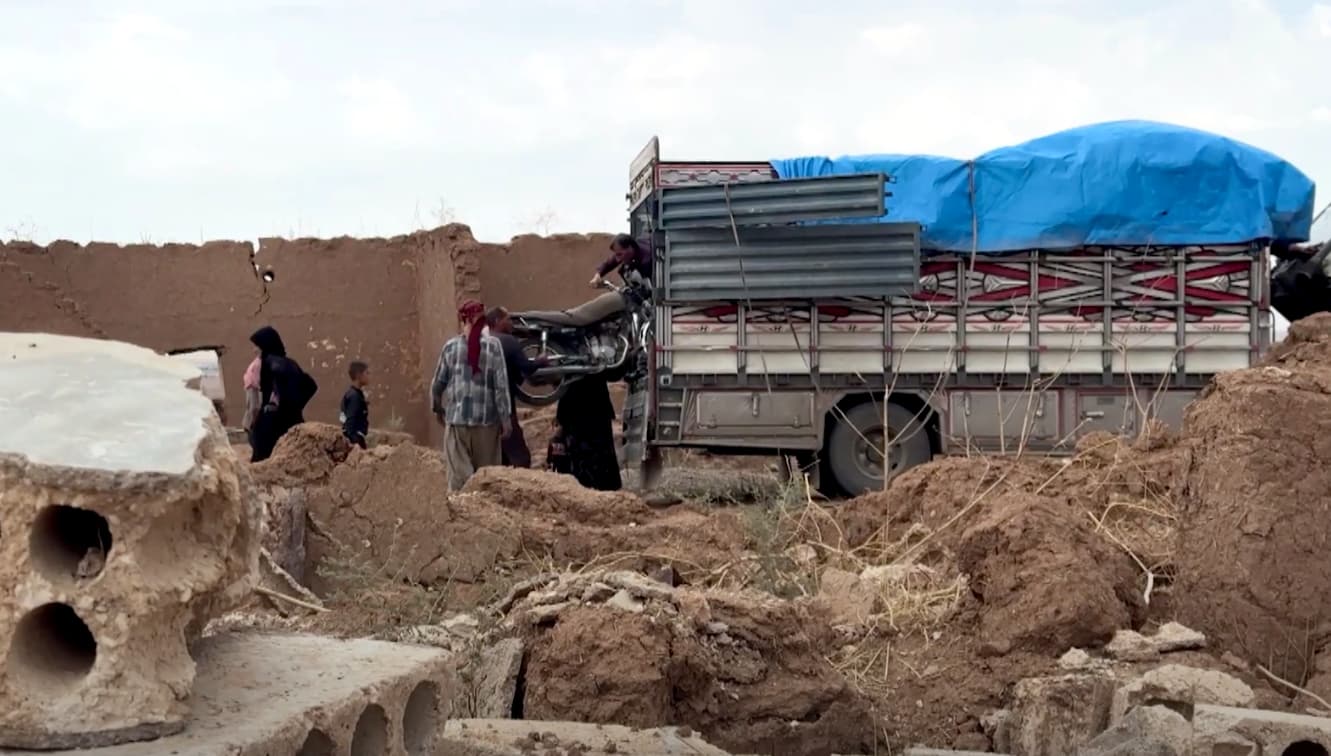
Sunday's agenda also addressed the repatriation of Syrians who fled the civil war that began in 2011. Shaibani highlighted the role of the Turkish Cooperation and Coordination Agency (TIKA) in rehabilitating essential infrastructure and services.
"These joint efforts have culminated in the return of more than 700,000 Syrians from Türkiye to their homes since the liberation," Shaibani said.
TIKA, the foreign aid arm of the Turkish state, implements foreign technical assistance, infrastructure projects, and cultural preservation programs in over 150 countries.
The refugee issue remains a pressing domestic priority for Ankara, which hosts millions of displaced Syrians. Damascus has actively sought to encourage returns as security and economic conditions stabilize following the fall of the Assad regime in December 2024 and the establishment of the transitional government.
Expanding on economic initiatives, Fidan outlined a strategic vision for Syria as a transit hub linking Jordan, Saudi Arabia, the Gulf, and Iraq to Turkey and the Mediterranean.
With the ongoing US-Iran conflict heavily restricting maritime traffic through the Strait of Hormuz, a vital lane for global oil supplies, the proposed overland route has been touted as an alternative route. US President Donald Trump endorsed the shift on September 3, describing the development as "THIS IS GREAT!"
“There is a railway project linking Turkey and Saudi Arabia through Syria,” Fidan noted, adding that the corridor would strengthen the region’s connection to Europe. Ankara is working "intensively" to advance the initiative, SANA reported.
To further cement economic ties, Fidan stated that Turkey aims to raise bilateral trade with Syria to $10 billion, prioritizing energy investments. The target follows a recent visit to Damascus and Aleppo by Turkish Trade Minister Omer Bolat and a delegation of business leaders.