ERBIL, Kurdistan Region - At least three people were killed and around two dozen injured in a fire at a prison in the Kurdish city of Kobane in northern Syria overnight, a doctor said, following clashes between protesters and government forces amid mounting anger over the killing of a Kurdish soldier near Hasaka.
A large protest was held in Kobane, in Aleppo province, late Friday over the killing of Sipan Hizni, a member of a Syrian army brigade comprising fighters from the now-dissolved Kurdish-led Syrian Democratic Forces (SDF).
Syrian authorities have identified the main suspect in Hizni’s killing, believed to be a member of a prominent Arab tribe, but have yet to arrest him, fueling anger among Kurds.
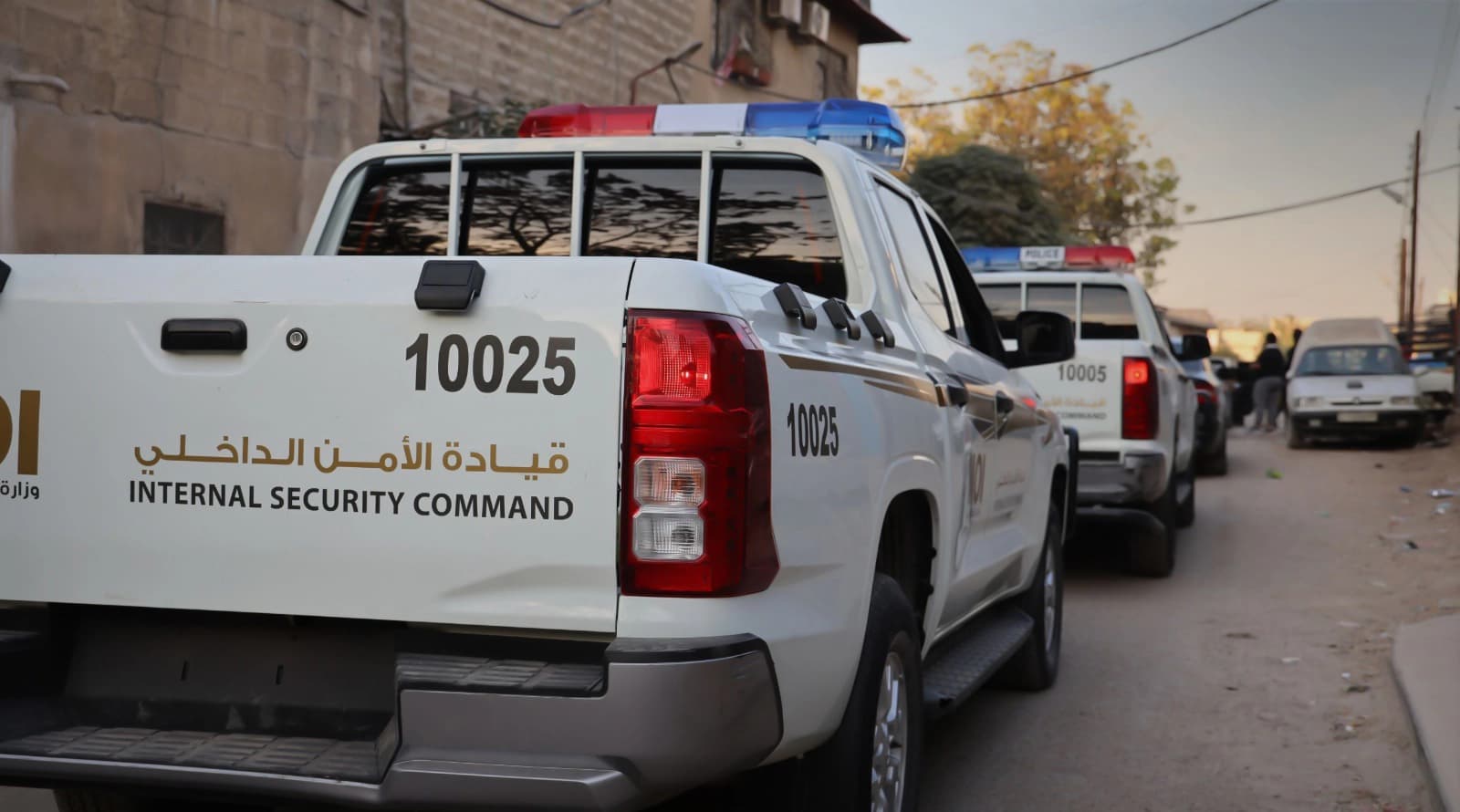
Government forces intervened after the protest in Kobane turned violent and detained a number of people, according to local sources.
A fire later broke out at the prison as security forces were preparing to transfer the detainees to Aleppo city, the sources said.
The cause of the blaze remains unclear. Some reports suggested that detainees started the fire in an attempt to prevent their transfer to Aleppo, but Rudaw could not independently verify the claim.
Mizgin Murshid, a doctor at Kobane’s German Hospital, told reporters that three people were killed and around two dozen others were injured. A Rudaw reporter on the ground and local media says the death toll has more than doubled.
Security forces imposed a curfew in Kobane following the violence.
Hizni, whose real name was Sami Sheikhmous Hiso, was abducted near Hasaka city before being killed earlier this week. His death sparked demonstrations in several Kurdish-majority areas of northeast Syria (Rojava), with protesters demanding that authorities arrest those responsible.
The Syrian Observatory for Human Rights (SOHR), a Britain-based war monitor that relies on a network of sources inside Syria, said Hizni was killed by members of the Baggara Arab tribe, who accused him of killing several members of the tribe around two years ago.
The killing comes amid a major transformation in northeast Syria following the integration of the SDF into Syrian state institutions. The Kurdish-led force was dissolved in August, with its fighters reorganized into brigades affiliated with the Syrian army.
SDF chief Mazloum Abdi, who oversaw the integration process, was subsequently appointed an adviser to interim Syrian President Ahmed al-Sharaa, while senior Kurdish official Elham Ahmed was appointed to the interim parliament.
Despite the integration agreement, tensions between Kurdish communities and some Arab tribes remain a source of instability in parts of northeast Syria.