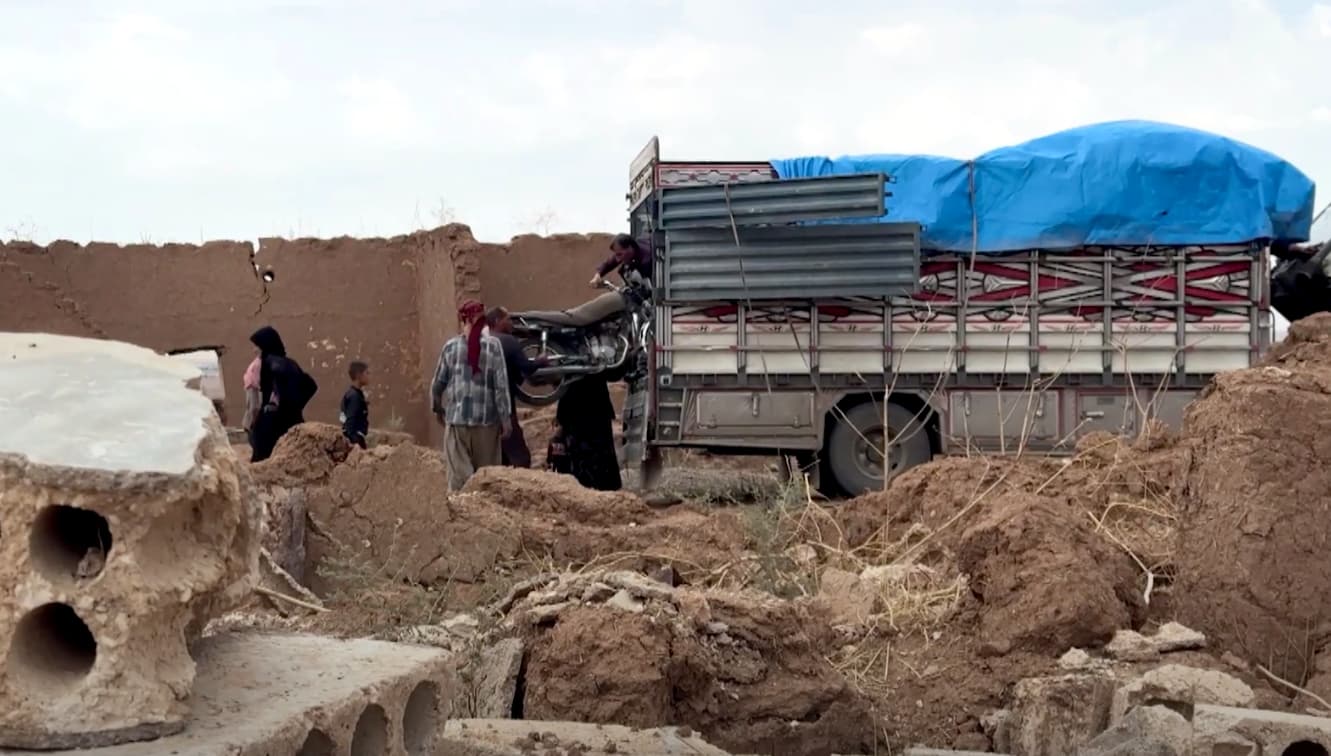
ERBIL, Kurdistan Region - Internally displaced persons (IDPs) in northeast Syria’s (Rojava) Hasaka province sheltering in schools are struggling to find accommodation amid pressure to evacuate as the new academic year approaches.
The Education Directorate in Hasaka is calling for the evacuation of 17 schools in the city of Qamishli that are currently housing displaced people from al-Shahba, in preparation for the start of the new academic year, Hawar News Agency (ANHA), affiliated with the Kurdish administration in Rojava, reported on Sunday.
“We also want a solution to this problem so that we can return to our land and homes. We want to return, just as the people of Afrin did,” Abdul Hassen, a displaced resident from Shahba residing at Okaz School, told ANHA, calling on the governor of Aleppo to intervene and resolve this issue, “as we have nowhere else to go” amid a previous mandate to vacate the premises within a 24-hour period, according to the Shahba Civil Council.
ANHA cites approximately 1,350 families from Shahba currently distributed across Jazira and Kobane, with 700 families in Qamishli, 300 in Hasaka, and another 350 between Amuda, Derik and Kobane.
Of the 700 families residing in Qamishli, 210 are currently sheltering in schools.
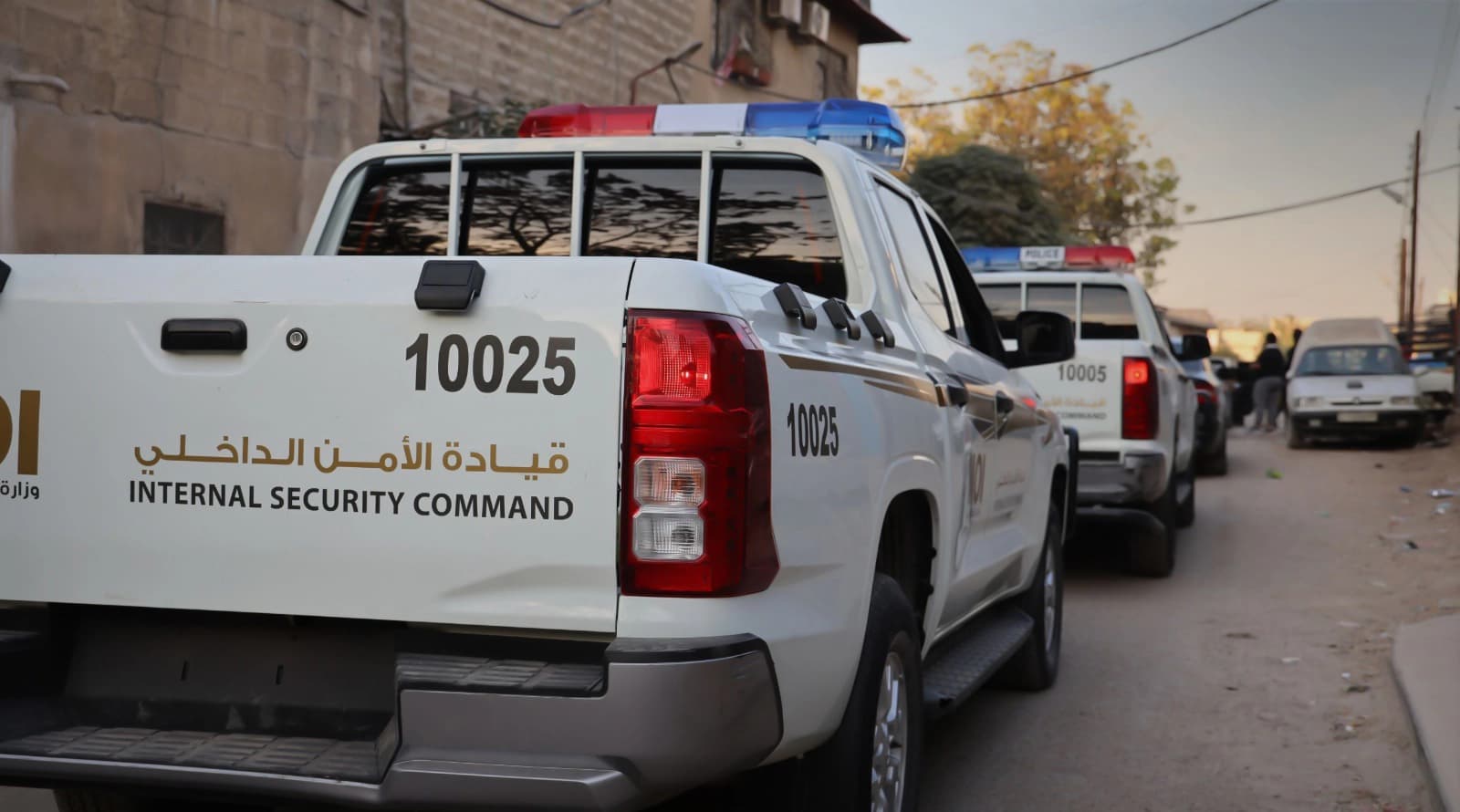
Following integration agreements, displaced Kurdish families are returning to their hometowns in northeast Syria with the first batch of Kurdish displaced people having returned to Afrin and Sari Kani (Ras al-Ain), earlier in August, marking the start of a process to end seven years of displacement.
“The state has developed a phased and organized plan for the return of displaced persons to Sari Kani, designed on the basis of a safe return and the preservation of social peace,” Ahmed al-Hilali, deputy governor of Hasaka province, told Rudaw after the return of 400 families took place.
Shehba IDPs are predominantly Kurdish civilians who fled their homes in Afrin in March 2018 after Turkey and Turkish-backed Syrian opposition groups seized control of the enclave.
Kurdish IDPs have expressed the desire to return to their homes safely, a feat which hinges on the clearing of land mines and state security coordination.
A January 29 agreement between Damascus and Rojava, reached after weeks of deadly fighting, established a permanent ceasefire and set out the gradual integration of the Kurdish-led enclave’s military, security, and civil administrative institutions into the Syrian state, as well as measures to facilitate the safe return of displaced people to their hometowns.
Despite the Education Directorate in al-Hasakah Governorate having called on August 16 for the schools to be vacated in preparation for the new academic year, displaced people stress that they are unable to comply unless alternative accommodation is provided or they are given the opportunity to return to their homes.