
ERBIL, Kurdistan Region - The return of displaced Syrian Kurds to their hometown of Sari Kani (Ras al-Ain) in northeast Syria (Rojava) is continuing despite recent unrest in the city, the deputy governor of Hasaka told Rudaw on Tuesday.
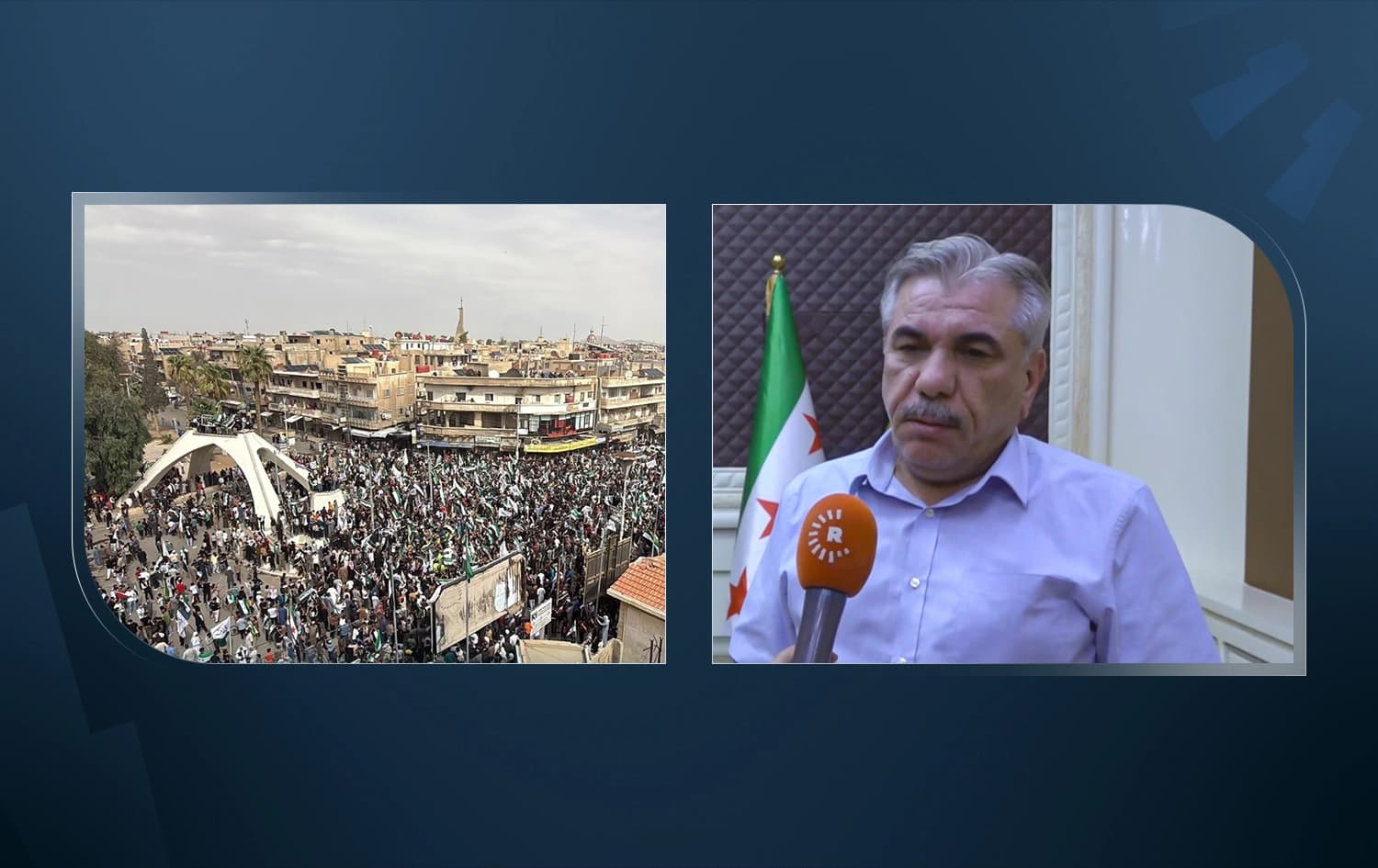
“The state has developed a phased and organized plan for the return of displaced persons to Sari Kani, which is designed on the basis of a safe return and the preservation of social peace,” Ahmed al-Hilali, deputy governor of Hasaka province, told Rudaw’s Nalin Hassan.
Hilali said security forces had arrested 13 people over their alleged involvement in attacks and acts of rioting during the return of displaced families, while authorities continue searching for other suspects.
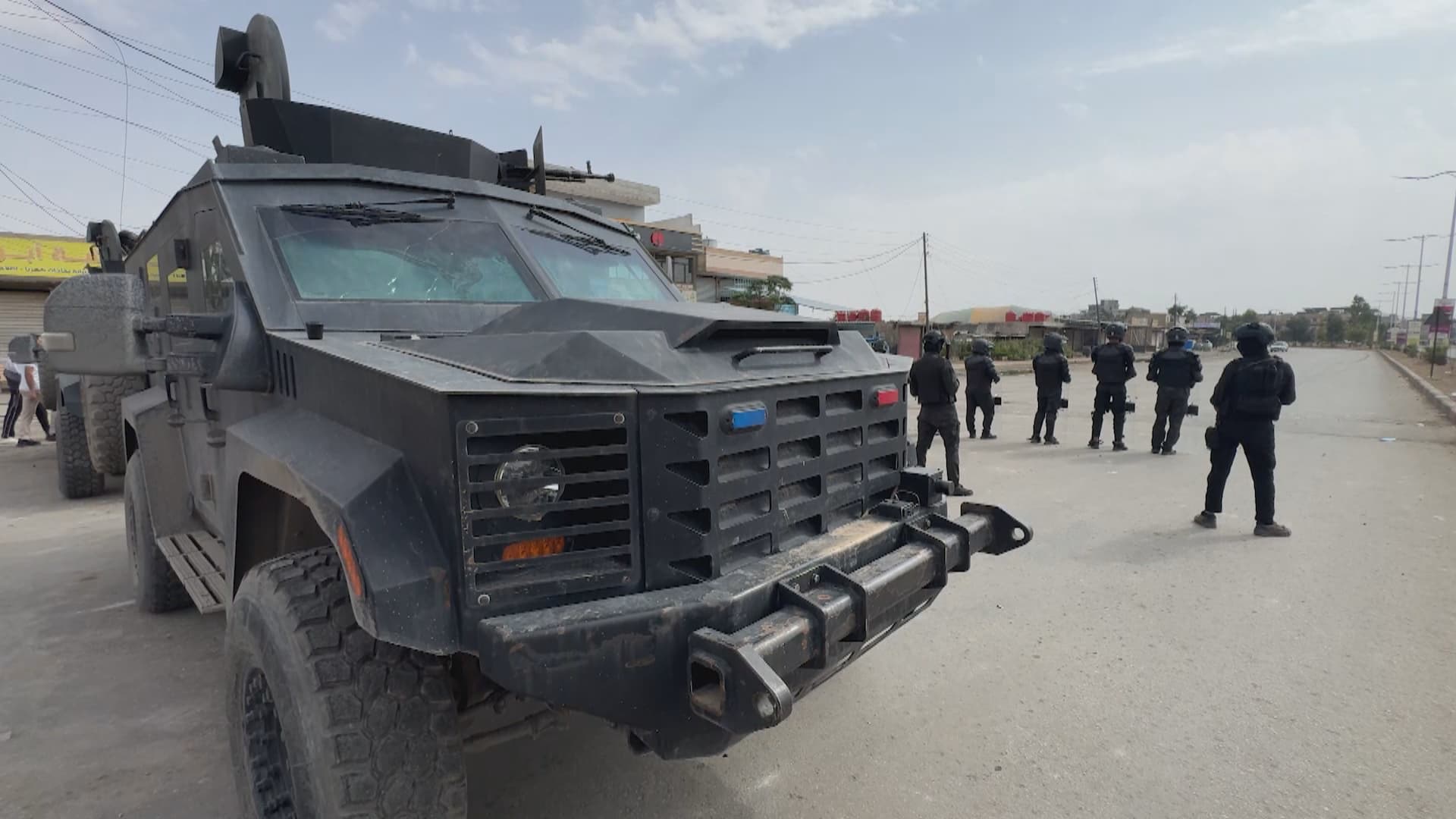
His remarks came a day after displaced Kurdish families who returned to their town on Monday came under attack by "saboteurs," according to a Syrian defense ministry official - previously a senior commander of the Kurdish-led Syrian Democratic Forces (SDF) - with incidents sparking calls for protests in the Kurdish-majority enclave.
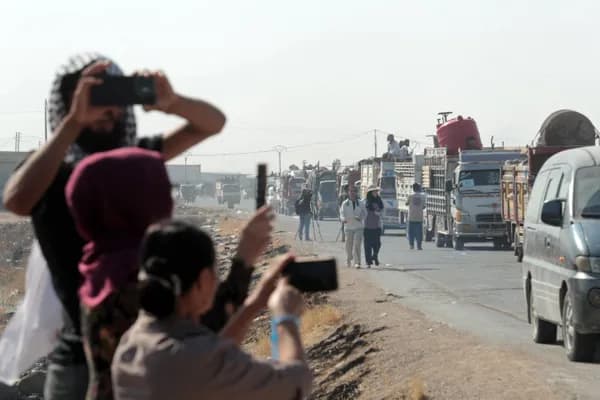
The return marked the beginning of a planned return after years of displacement.
Sari Kani, a Kurdish-majority town, was seized by Turkey and Syrian armed groups in 2019, forcing an estimated 200,000 residents to flee to other Kurdish-held areas in northeastern Syria.
The displacement left many Kurdish families unable to return to their homes, with properties subsequently reported to have been seized or occupied by Arab settlers and armed factions. The recent attacks have also triggered protests in Kurdish-majority areas including Qamishli, Hasaka and Kobane.
Hilali rejected suggestions that the unrest had halted the return program, saying the process remained in place and that the first phase of the plan had been completed successfully.
“The successful return of those 400 families is a sign that the organized plan is yielding good results,” he said. “What happened will not become an obstacle to the return process, because the right of return is protected for all citizens and the state is committed to providing this right.”
“Our goal is for all citizens who were displaced to return, but in a phased and organized manner, to bring stability to its peak and return normal life to the region,” he said, noting that some displaced people later traveled individually and without coordination with authorities.
“Certain ‘outlaw’ groups, including those known as the ‘Revolutionary Youth,’ exploited this situation to create chaos and attack citizens and government institutions, which posed a threat to the peace of the region,” said Hilali.
He said security forces intervened to contain the unrest and increased their deployment in areas where tensions had erupted. “Now the situation in the governorate in general is stable and calm,” he said.
Hilali reiterated that “All detainees will be dealt with according to the law and referred to court so that anyone responsible for disturbing security will be severely punished.”
Farhan Haq, deputy spokesperson for the UN secretary-general, told Rudaw’s Namo Abdulla on Monday that the Syrian government bears primary responsibility for ensuring the safety of people returning to their homes.
“Obviously the first responsible party is the government of Syria and they need to do what they can to make sure that people returning to their homes can do so safely,” Haq said, adding that attacks against returnees “will need to be fully investigated by the authorities.”
SDF commander Mazloum Abdi also expressed dismay over the attacks over what was supposed to have been in ‘coordination’ with the Syrian state.