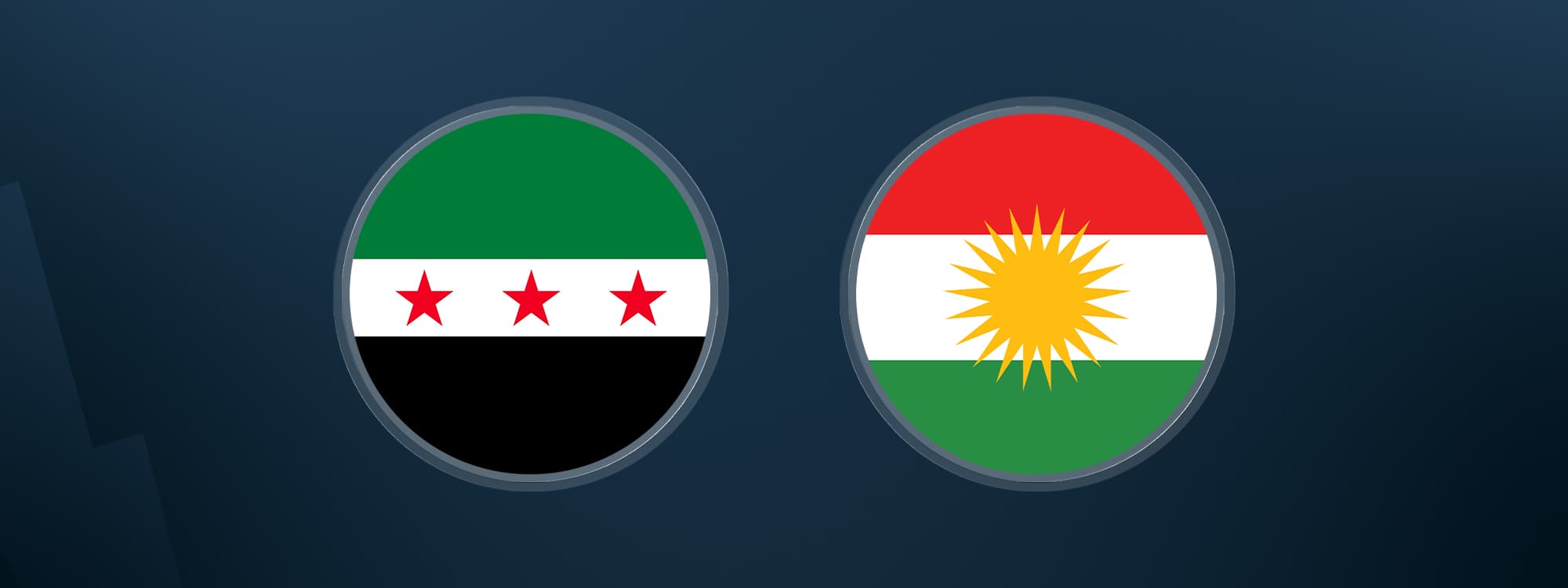

ERBIL, Kurdistan Region - A Syrian delegation will arrive in Erbil on Tuesday to discuss the inauguration of a new Syrian consulate in the Kurdish capital, Damascus' foreign ministry announced, following years of obstructed consular procedures under the defunct Syrian regime.
"Today, we are heading to Erbil, under the directive of His Excellency the minister, as part of a delegation from the Ministry of Foreign Affairs and Expatriates, to take the first step toward opening a Syrian consulate," Mohammed al-Omar, director of the consular affairs department at the ministry, said in a statement on X.
The new Syrian consulate “will serve our people in the Kurdistan Region,” Omar noted, adding that it will “end the hardship of obtaining consular services."
The United Nations High Commissioner for Refugees (UNHCR) in June reported that as of that month, Iraq hosts around 351,000 refugees and asylum-seekers, the majority of whom - around 88 percent - are Syrian. “Close to 80 percent of this population resides in the Kurdistan Region,” the report indicated.
In previous years, Syrian expatriates in the Kurdistan Region had to travel to the Syrian embassy in Baghdad for consular services. Under the regime of ousted Syrian dictator Bashar al-Assad, Syrians paid as much as $1,000 for a passport issuance or renewal - despite the official fee being set at $300, Rudaw sources confirmed.
Moreover, in early 2011, following the outbreak of the Syrian civil war, a severe humanitarian crisis began in parallel, stretching for nearly a decade and a half and forcing millions of Syrians to flee the violence in their homeland and seek refuge in regional countries as well as overseas.
However, UNHCR reports that as of mid-2026, the number of Syrian refugees worldwide had dropped to 4.9 million, down from around 6.1 million in December 2024, just before Assad's ouster. An estimated 1.3 to 1.6 million Syrians voluntarily returned to the country, marking one of the largest refugee return movements recorded globally in recent years.
Despite these ongoing returns, Syrians remain among the largest refugee populations in the world, with the vast majority still hosted in neighboring countries - primarily Egypt, Iraq, Jordan, Lebanon, and Turkey.