ERBIL, Kurdistan Region - Hasaka Governor Nour al-Din Issa Ahmed said on Sunday that authorities are taking steps to reinstate federal institutions in the province, including the appointment of judges and the reopening of agricultural banking services, as part of efforts to integrate local institutions into Syria’s state structures.
Speaking to Rudaw's Nushin Heme on Sunday, Ahmed said the names of 40 additional judges had been submitted to Damascus for appointment to Hasaka’s courts.
“Twenty of these judges are being interviewed today, Sunday, and the other 20 will be interviewed on Monday and Tuesday,” he said.
The governor said the move was part of broader administrative and judicial efforts to restore state institutions in the northeastern province.
The developments come as Damascus and authorities in northeast Syria (Rojava) continue efforts to implement a framework agreement to integrate institutions previously administered by the Kurdish Autonomous Administration of North and East Syria into Syrian state structures.
In June, Ahmed said that most pressing obstacles delaying the integration process had been resolved following talks between officials from both sides, expressing optimism that the process would accelerate.
“Most of the files related to the integration process and the activation of public administration and institutions were discussed,” Ahmed told Rudaw at the time, adding that “the obstacles hindering this process were resolved so that work and operations can proceed more quickly in the coming days.”
Ahmed, who was in Damascus on Sunday, said his visit occurred in tandem with the inauguration ceremony for members of Syria’s transitional parliament as well as meetings on the future of provincial administration.
“We are in Damascus to participate in the inauguration ceremony of the members of the People's Council [Parliament]. Following that, we will hold several different meetings and sessions to manage the process of reintegrating and reinstating other provincial institutions,” he said.
The governor also said authorities were preparing to resume fiscal agricultural services to support farmers receiving wheat payments.
“We are currently working to open two branches of the Agricultural Bank in Hasaka and Qamishli. At the same time, all branches of the Agricultural Bank across the province will be reinstituted so that we can disburse the financial entitlements for wheat to farmers and villagers,” Ahmed said.
He added that several candidates would be interviewed this week to take up positions as new directors of government departments and institutions across the province.
The efforts follow a January 29 ceasefire agreement between Damascus forces and the Kurdish-led Syrian Democratic Forces (SDF), the de-facto military authority in Rojava, after weeks of clashes. The deal established a framework for integrating SDF-affiliated military and administrative structures into Syrian state institutions and for Damascus to assume control over civil institutions, border crossings, and official entry points.
Since the fall of Bashar al-Assad’s government in late 2024, negotiations between Damascus and the SDF have faced deep disagreements, with the Syrian government seeking centralized authority while Kurdish-led authorities have pushed for guarantees of decentralized administration.
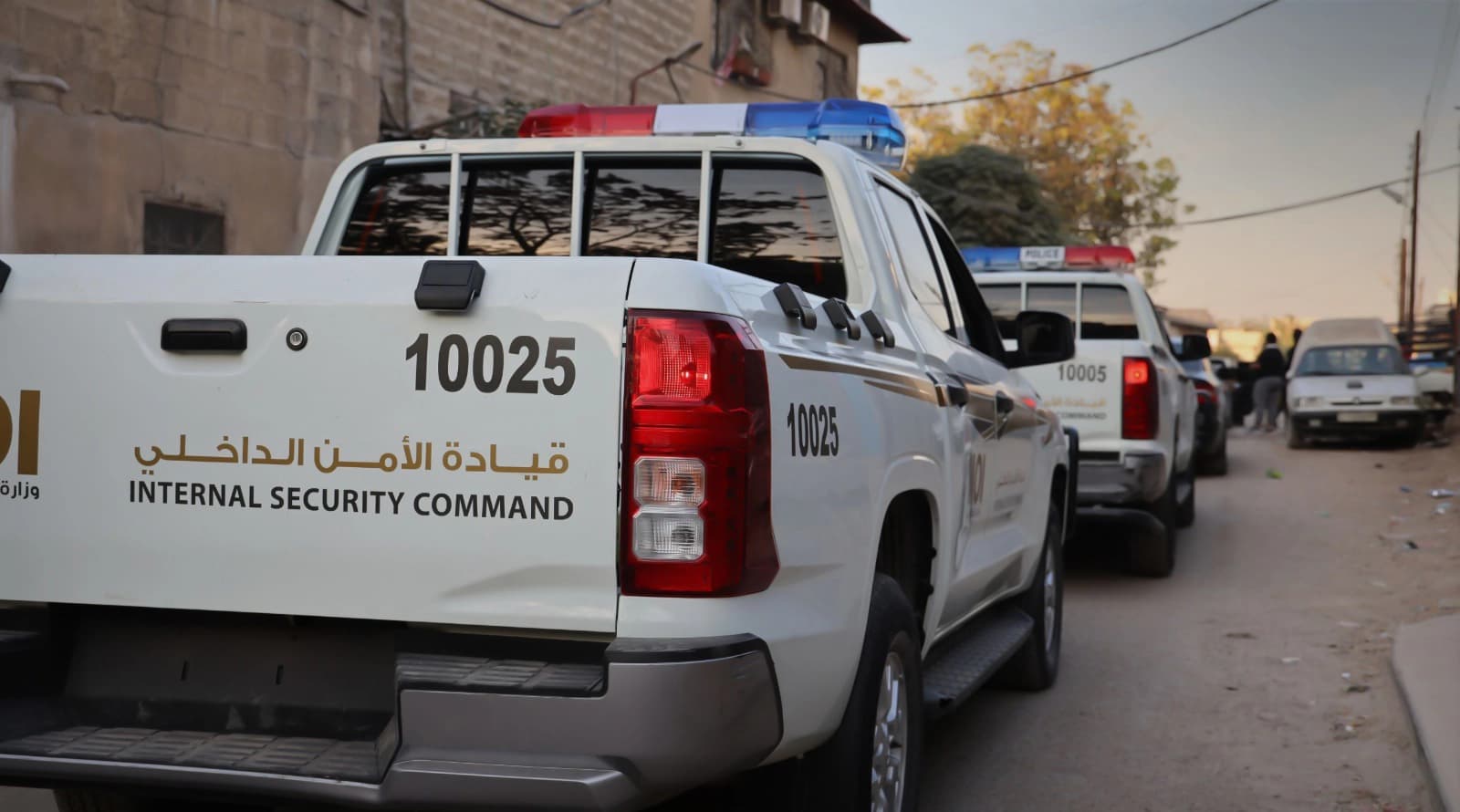
The integration process has accelerated in recent months with a newly-appointed SDF-linked governor for Hasaka, deputy defense minister for former SDF-controlled areas, and deputy head of internal security forces in the province.