
ERBIL, Kurdistan Region - Syria’s Interim president on Friday declared a war on drugs in efforts to dismantle the inherited "legacy" of drug manufacturing and trafficking from the previous regime.
"We view the fight against drugs as a national program that integrates the efforts of state institutions and society,” President Ahmed al-Sharaa posted on X, noting that the country “has inherited a heavy legacy of drug manufacturing and trafficking from the bygone era, making it one of our top priorities to declare a comprehensive war on this scourge to dry up its sources, sever its smuggling routes, and address its impacts.”
On the International Day Against Drug Abuse, Syria is reaching out to regional and global partners to build an effective partnership against this transnational threat, Sharaa said. He added the goal is "to protect our communities and families from the toxic and harmful effects of drugs."
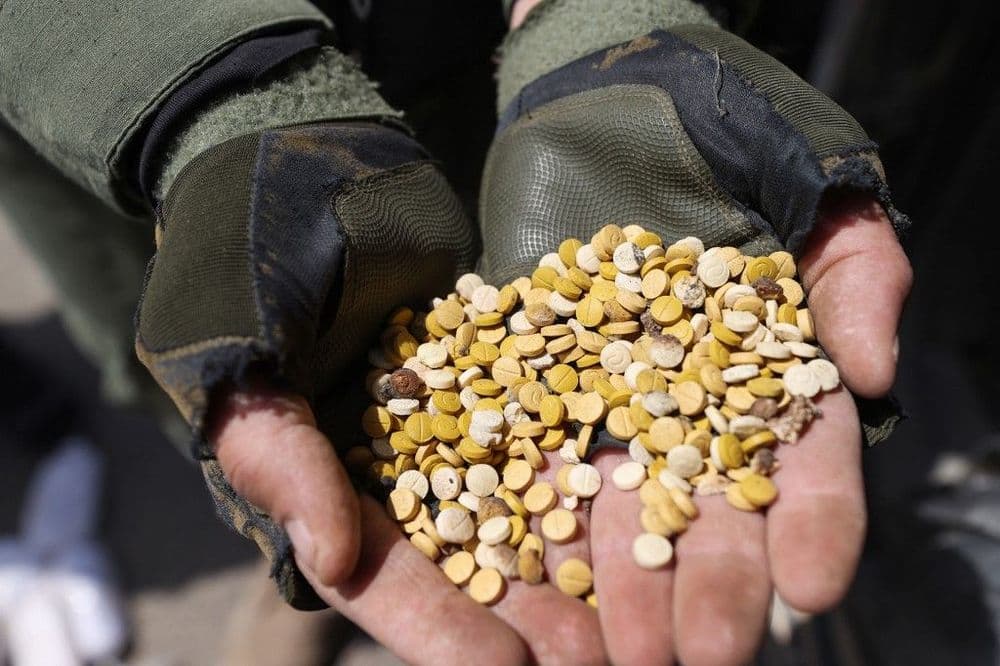
Syria served as a primary manufacturer of Captagon pills under the rule of deposed dictator Bashar Assad, whose brother was believed to have been involved in the business according to former smugglers, officials, intelligence officers, and a pharmaceutical industry insider.
Clandestine and makeshift factories continue to operate in the country until today.
In parallel, Syria’s Interior Minister Anas Khattab on Friday also marked International Day Against Drug Abuse by pledging to "confront this dangerous scourge by all legitimate means to achieve a 'Drug-Free Syria.'"
Khattab called the initiative a national and international duty that requires unified global cooperation.
The Syrian Interior Ministry announced Thursday that a joint operation with Jordan resulted in Jordanian authorities seizing approximately 150,000 Captagon pills at the Jaber border crossing.
The seizure, he stated, is part of an ongoing joint efforts to combat drug trafficking and improve regional security.
The 2026 United Nations Office on Drugs and Crime (UNODC) World Drug Report on Friday noted that the use of methamphetamine has “increased in the region.”
The report surmises that “disruptions of the ‘captagon’ market following the fall of the former Assad regime” in Syria in December 2024, coupled with the subsequent doubling in price of a captagon tablet in some places, would likely “cause a shift among users of captagon to methamphetamine.”