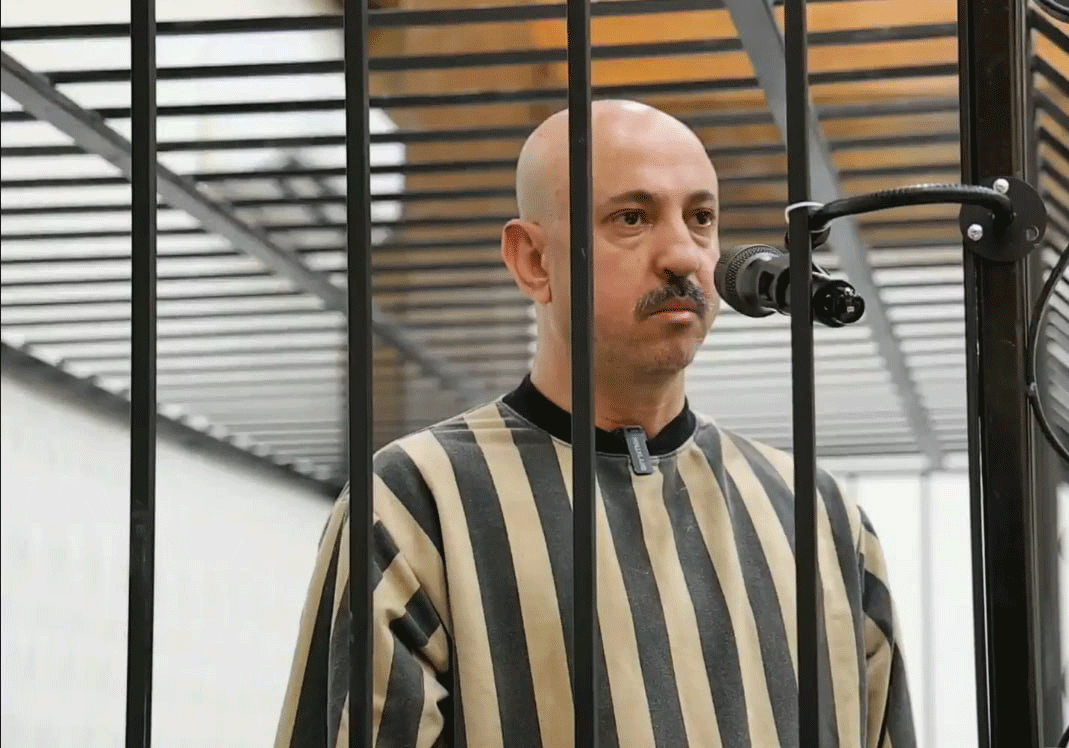

ERBIL, Kurdistan Region - A criminal court in Damascus on Wednesday opened the first trial session of Wassim al-Assad, a cousin of ousted Syrian president Bashar al-Assad, on charges including war crimes, crimes against humanity, murder, drug trafficking, and leading armed groups accused of attacking civilians during Syria's civil war, state media reported.
In a report, Syrian state news agency (SANA) stated that "The Fourth Criminal Court in Damascus began on Wednesday the first sessions of the trial of the defendant, Wassim al-Assad, who is accused of several crimes against the Syrian people during the era of the former (defunct) regime."
The trial comes as Syria's new authorities intensify efforts to dismantle drug trafficking networks that flourished under the former government.
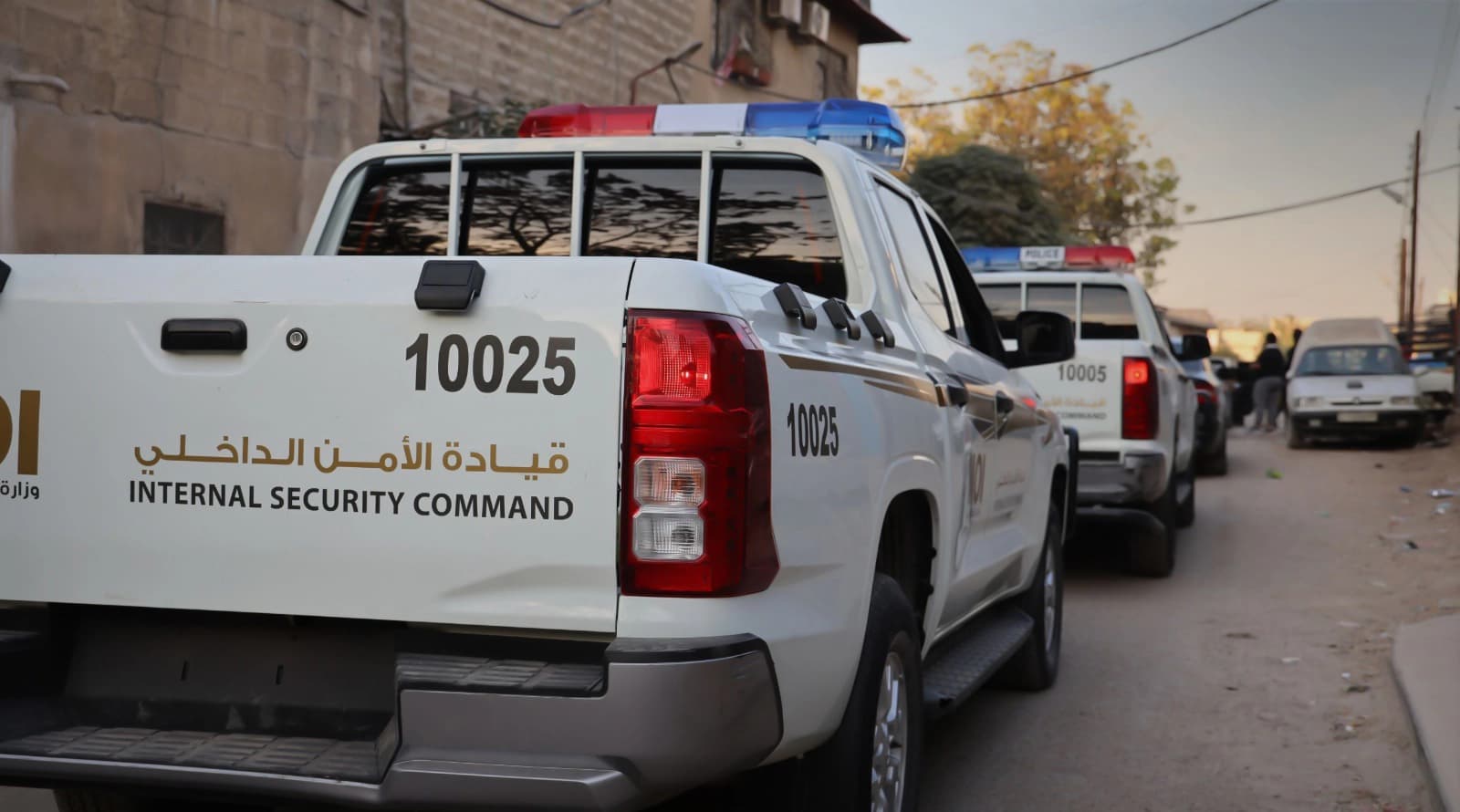
Assad was arrested on June 21 in what Syrian authorities described as a "precise security operation" on the Syrian-Lebanese border carried out in cooperation with the general intelligence department.
According to the agency, Assad is accused of "managing and forming irregular armed groups" under the direction of Ghiath Dalla, a commander in the former regime's Fourth Division led by Maher al-Assad, since early 2011.
Prosecutors alleged the groups participated in large-scale military operations targeting civilian areas in Eastern Ghouta, particularly the town of al-Maliha, resulting in the deaths of numerous civilians.
He also faces charges of responsibility for a murder in Jaramana, involvement in massacres committed during those operations, public incitement to violence, drug smuggling and trafficking, and carrying out robbery and extortion.
The case forms part of Syria's transitional justice process following the fall of Bashar al-Assad's government in December 2024.
Syrian authorities said trials of officials accused of war crimes and crimes against humanity began on April 26 with proceedings against Atef Najib and are intended to "uncovering the truth, achieving justice for victims, and holding perpetrators accountable according to judicial due process," the report added.
Last month, the Interior Ministry announced it had seized 25 million captagon pills concealed inside ceramic containers in what it described as "an exceptional security achievement" and the largest drug bust ever recorded in Syria or internationally.
Captagon production and trafficking became one of the defining features of the Assad-era shadow economy. A 2023 study by the Canada-based Observatory of Political and Economic Networks estimated the trade generated an average annual net profit of $2.4 billion for the Assad regime between 2020 and 2022, with Maher al-Assad widely accused of overseeing the operation.
Since taking power, Syria's new leadership has expanded cooperation with neighboring countries, particularly Iraq, to combat narcotics trafficking. Joint Syrian-Iraqi security operations have intercepted several major captagon shipments in recent months, while Iraqi authorities say they have intensified domestic anti-drug efforts with thousands of drug-related convictions recorded this year.
RELATED: Iraq seizes over 1.5 tons of narcotics in first five months of 2026