ERBIL, Kurdistan Region - Kurdish authorities in northeast Syria (Rojava) are finalizing plans with the interim government in Damascus for the return of nearly 1,800 Kurdish families displaced from Raqqa province following unrest in January, with an official saying the process is expected to begin in the near future.
Nour al-Din Issa, governor of Hasaka province, told Rudaw on Monday that an agreement had been reached with Raqqa Governor Abdul Rahman Salama on a mechanism to facilitate the return of the displaced families.
The agreement followed a meeting held on Sunday that brought together security officials and representatives of the displaced families to discuss ways to resolve outstanding issues and expedite their return.
"The return is expected to be implemented in the near future," Issa said, describing the issue as one of the administration's top priorities.
According to the governor, around 1,800 Kurdish families were forced to leave their homes in Raqqa due to January clashes between the Kurdish-led Syrian Democratic Forces (SDF) and Syrian government forces. Of those, approximately 1,200 families relocated to Kobane in Aleppo province, while nearly 600 others moved to Hasaka province.
The SDF lost control of much of the territory it had previously held, including Raqqa and Deir ez-Zor provinces, to Syrian government forces during the conflict. Following a US-brokered ceasefire, the two sides signed an agreement to integrate Rojava's civilian and military institutions into state structures.
Issa, who is affiliated with the SDF and recognized by Damascus, said efforts are underway to create the conditions necessary for a safe and dignified return.
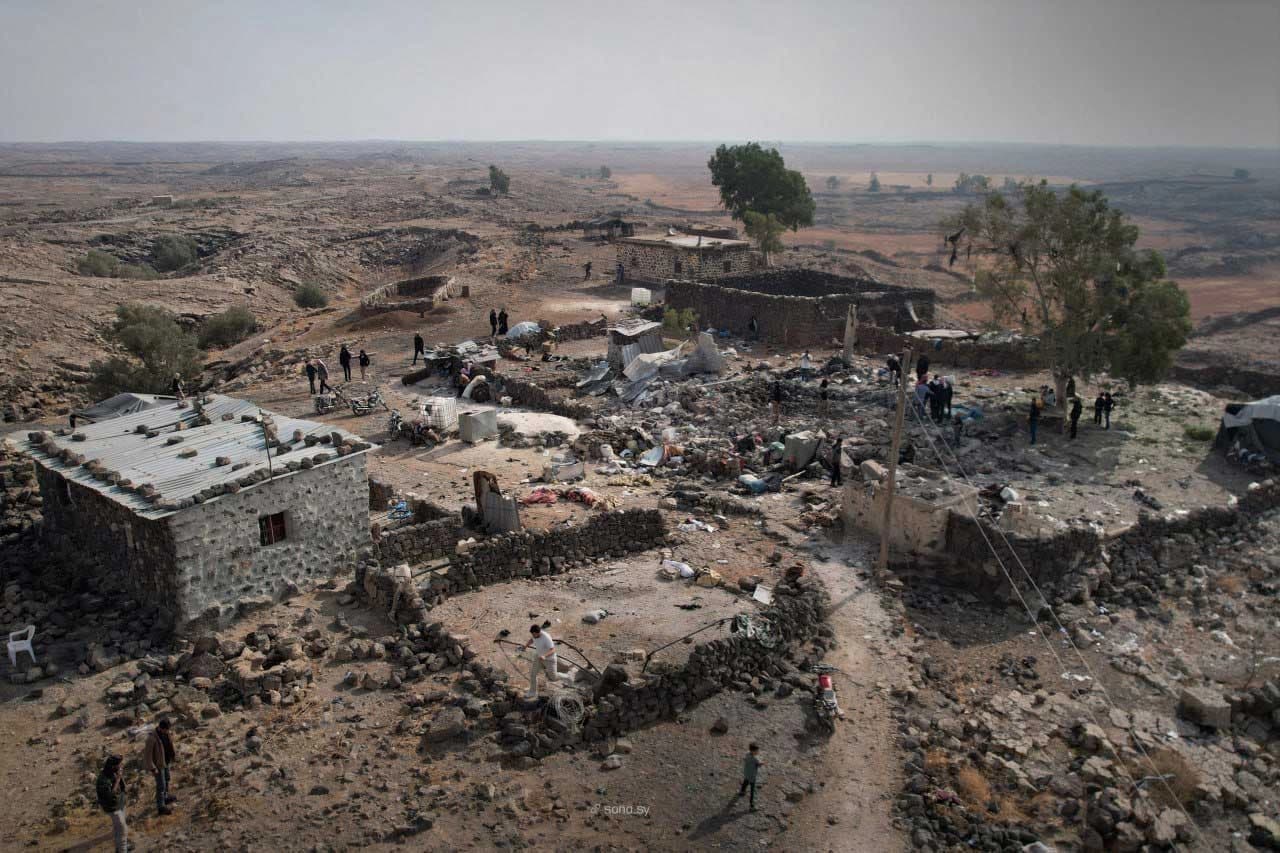
Authorities are also working to ensure that homes occupied by others are vacated and that landmines are cleared from villages and surrounding areas to guarantee the safety of returnees, he added.
The governor noted that authorities had agreed to provide logistical assistance to some affected families, depending on available resources.
"All private property will be returned to its owners without any conditions," Issa said, adding that coordination is ongoing between a committee representing the displaced families and the governor's office to restore property rights.
He also said some homes had sustained "significant material damage" caused by what he described as "individuals operating outside the law."
Issa described Sunday's meeting as "very positive," saying all participants had expressed readiness to provide the necessary support to address the humanitarian challenges facing the displaced families.
"Our goal is to reach zero displacement," he said.
Nalin Hassan contributed to this article.