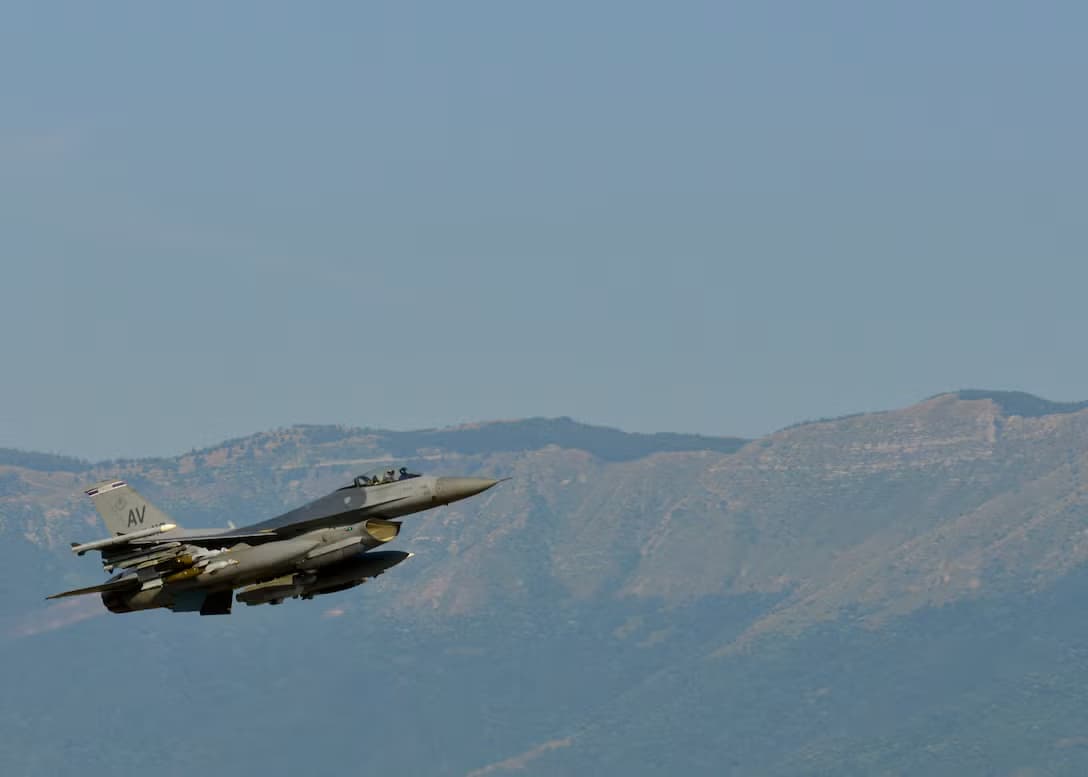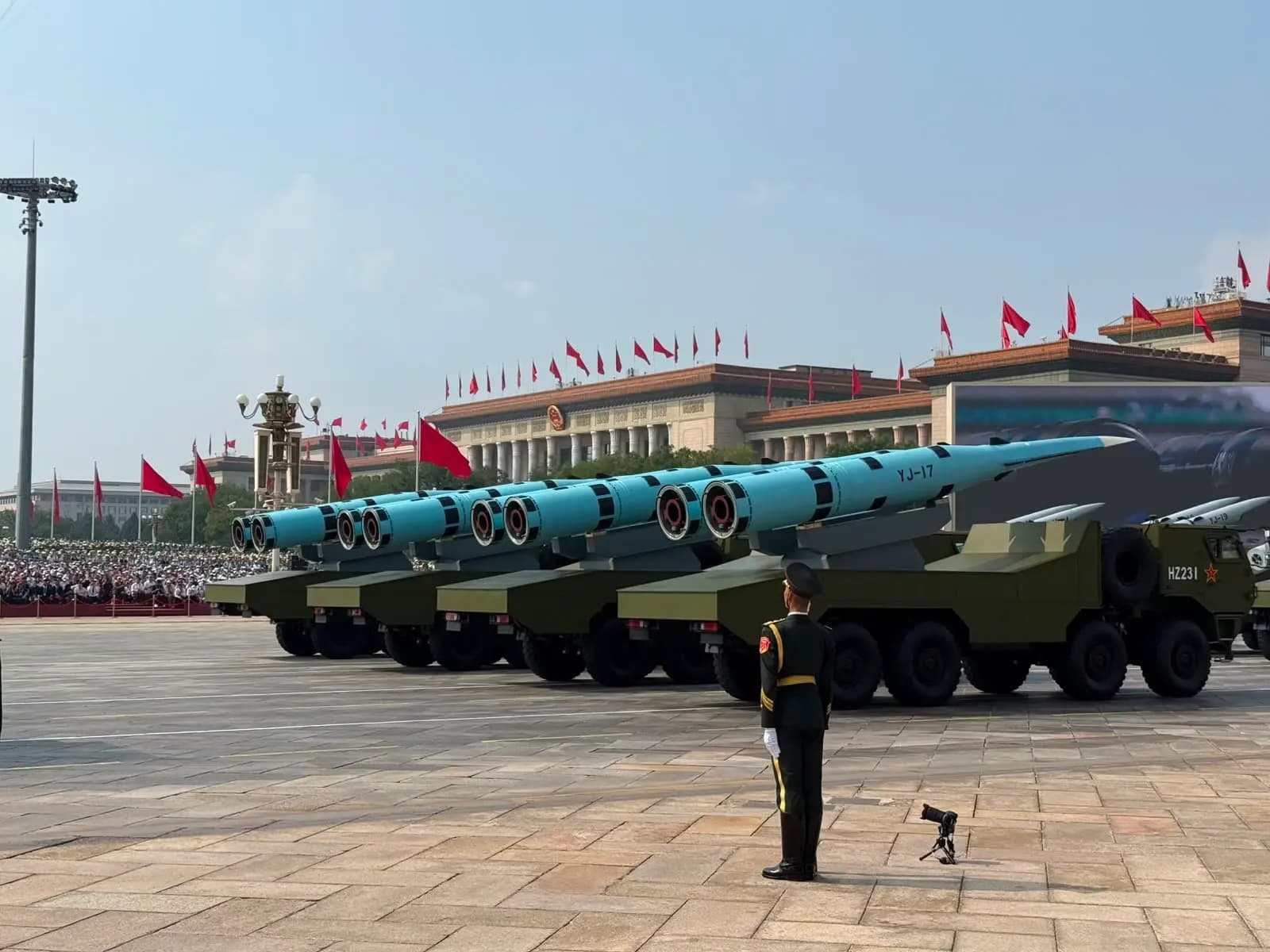
In Thomas Hobbes’s political philosophy, laws and constitutions are not born of "morality," but rather emerge from pure fear of chaos and total destruction.
In 1947, Japan succumbed to this formula; it voluntarily shackled its own "military leviathan" and threw the key into the depths of the Pacific Ocean, hoping that the shadow of American defense and a pacifist constitution would shield it from the brutal state of nature.
However, East Asia's geopolitical adversities have proven that international morality is a mere illusion when great power interests collide.
Today, Tokyo’s trajectory toward dismantling its arms embargo, raising military spending to historic levels and raiding the "nuclear threshold" is not merely a defensive maneuver or a simple review; it is a voluntary uprising against the chains of the past.
The state that was once burned by atomic fire has today reached the bitter realization that if its "leviathan" does not rise by its own will, it will be mercilessly swallowed by geography. Following the signing of the peace treaty in 1945 and the drafting of the 1947 constitution, Japan was known as a demilitarized state detached from military conflicts; yet 2024 marks a perilous turning point in the country's history.
Today, Tokyo no longer speaks merely of "self-defense," but is actively taking steps to alter the balance of power across the Asian continent.
The end of the ‘pacifist’ era and increasing military budgets
Japan, which previously allocated only 1 percent of its gross domestic product (GDP) to military affairs, has now announced a five-year plan (2023 - 2027) to spend $320 billion (43 trillion yen) on the defense sector. This sum represents Japan’s largest military budget since World War II, aiming to elevate military expenditure to 2 percent of GDP, bringing it in line with NATO standards.
Observers believe that pursuing a hardline rearmament policy - championed by political figures known as "hawks," such as Sanae Takaichi - could completely disrupt the Asia-Pacific security architecture established after 1945. This radical policy threatens to destabilize regional security and plunge the region into an unprecedented arms race.
Shifting nuclear identity and the breakdown of control systems
One of the greatest concerns for China, Russia and North Korea pertains to Japan’s technical capabilities and nuclear technology status.
Although Japan is a signatory to the Treaty on the Non-Proliferation of Nuclear Weapons (NPT) and has historically adhered to its "Three Non-Nuclear Principles of 1967" - namely, non-possession, non-production, and non-introduction of nuclear weapons - it practically possesses a highly advanced civilian nuclear fuel cycle and has stockpiled approximately 45 tons of separated plutonium.
According to technical reports, this amount is sufficient to produce more than 5,000 nuclear warheads.
This advanced capability positions Japan in geopolitical terms as a "virtual nuclear state" with a "breakout capability, "meaning it requires only a single swift political decision and a very short technical timeframe to transform from a non-nuclear state into an active nuclear power.
Furthermore, emerging debates within the Japanese Parliament (diet) regarding a review of its status as a "non-nuclear-armed state" and the introduction of the "nuclear sharing" doctrine, allowing the deployment of US nuclear weapons on Japanese soil along the NATO model, pose a direct and serious threat to the continuity of the NPT.
Concurrently, with Tokyo's efforts to export weapons and dismantle legal barriers facing its defense industry, these steps inject fresh turmoil into the global arms control regime. These developments risk destabilizing the delicate strategic equilibrium that has maintained regional peace and stability in the Asia-Pacific for decades.
Upon closer examination, Tokyo’s acquisition of nuclear weapons after all these years of demilitarization may simply be a matter of time. Three key indicators substantiate this reality.
First: The Japanese Prime Minister’s statements on the anniversary of the Hiroshima bombing, where he refrained from providing a direct answer on whether Japan would remain committed to the principles preventing nuclear armament.
Second: The announcement by Japanese defense minister Shinjiro Koizumi, pointing out that an open and taboo-free discussion must be conducted alongside efforts to acquire nuclear capability.
Third: Japan’s official decision to execute a radical revision of its military strategy.
These indicators are sufficient to instill deep alarm among Japan’s neighbors, who have openly warned on multiple occasions and international platforms about the dangers of this new trajectory.
Taiwan: A trap of isolation for Japan
Although Japan recognizes Taiwan as an independent nation, its own sovereign stability has become linked to Taiwan for several reasons.
Key among them is their geographical proximity, notably Yonaguni Island, which lies just 110 kilometers from Taiwan’s coast. Consequently, any military, air, or naval movement by China immediately places Japanese territory and airspace under direct threat of attack.
However, this is not the sole concern for Tokyo. Regarding maritime sea lines of communication - especially in the wake of US.-Iran tensions in the form of blockades and disruptions in the Strait of Hormuz - Japan is reminded that 80 percent of its commercial maritime routes passing through the Taiwan Strait could fall directly under Chinese hegemony.
At a time when the world suffers from global instability, most Asia-Pacific nations are striving to preserve security and development.
Under these circumstances, the emphasis by Sanae Takaichi and the new ruling leadership in Japan on providing military support to Taiwan (Taipei) could lead to Tokyo’s isolation in the region. Abandoning the stance of "neutrality" and moving toward militarism drastically increases the risk of triggering an armed conflict in the region.
The US factor and the risk of ‘cannon fodder’
The most critical element in these shifts is the relationship with Washington. During the recent China - US summit in May of this year, US President Donald Trump indicated that Washington might not be inclined to directly involve its military forces in the event of an armed conflict in the Taiwan Strait.
This message carries profound implications for Japan.
By pursuing an aggressive military posture, Japan risks finding itself caught in the crosshairs of a crisis where it serves merely as ‘cannon fodder,’ acting as the frontline in a war while its primary ally watches from afar. Far from safeguarding Japan’s security, this dynamic would render it the primary target for Chinese and North Korean nuclear missiles.
Given that North Korean ballistic missiles have repeatedly traversed Japanese airspace in recent times, a potential tripartite strategic pact among North Korea, Russia and China would effectively shackle Tokyo, stripping away its ability to control its future security.
Since 2024, Japan has stood on the precipice of a fateful decision. Amending the constitution and pivoting toward nuclear and offensive rearmament is not merely an internal adjustment, but the detonation of a powder keg that has remained simmering in the Asia-Pacific region for decades.
Should Tokyo persist on this path, the price of these political adventures may well be the loss of the peace and prosperity that generations have painstakingly built since 1945.