Kurdistan and the UK have a close bond - and never more so than when then-Prime Minister Nechirvan Barzani paid an official visit to the UK in May 2014. The mood then was one of hope and optimism for the new Kurdish regional Government.
Prime Minister Barzani’s visit should have been the beginning of a period of nation building in the fragile region. It was not to be though – as Daesh captured Mosul just weeks after the Prime Minister’s visit – followed by the unsuccessful attack on Erbil and the beginning of their genocide against the Yazidis. While events may have proven difficult indeed, we should draw hope from the extraordinary heroism and civic example of the Kurdish people throughout this very difficult period. The courage of the Kurdish people is an inspiration to free societies everywhere.
The UK played its part, I’m proud to say, providing military equipment, working hand in hand with our brave Kurdish allies and providing military training and support – not least air power. However it is only thank to our Kurdish allies, and their enormous bravery and fighting force that Daesh’s grip over Syria and Iraq has been broken. Now the immediate threat has declined, we need to step up our efforts to build bilateral relations between Kurdistan and the UK. This has become ever more of a necessity since the 2017 referendum, where the clear will of the Kurdish people for independence was clearly expressed.
British parliamentarians, and particularly the All-Party Parliamentary Group on the Kurdistan Region in Iraq, were very pleased to be able to come together to mark the 30th anniversary of the Safe Haven. But now we must move beyond demonstrating solidarity to efforts to support our friends.
There are now real reasons for optimism. The APPG has continued to urge for stronger bilateral relations through ministerial visits to Kurdistan. We have seen bilateral visits on foreign affairs and defence and, most recently, the Foreign Secretary’s meeting with President Barzani in Erbil – a proud moment for both our nations, and a sign that our bilateral relationship grows ever stronger.
Security co-operation remains vital. Daesh has been dislodged from its caliphate in Syria and Iraq but is regrouping in the no man’s land in the disputed territories between Kurdistan and Iraq. That requires external support to advance and enhance co-operation between Erbil and Baghdad.
The American withdrawal from Afghanistan is also a moment to redouble our bilateral commitments. The United States has stressed that Iraq and Kurdistan are strategic partners. They still support the deal agreed with the federal government to end combat operations and keep 2,500 American service personnel in country to advise, assist, and train. That also enables British and European forces to stay, especially to advance the training and unification of the Peshmerga.
The Americans are also building the single biggest consulate in the world in Erbil. The UK supports a strong Kurdistan Region in Iraq and also has a sizeable diplomatic presence in Erbil, and we support the increased engagement of our allies.
And the United Kingdom will remain engaged too. The success of the 1991 safe haven was to prevent an atrocity in the making and is a template for measured interventions in the cause of humanity that should not be lost in any isolationist backlash after the fall of Kabul. It surely highlights how much more the Kurdistan Region and the UK should remain firm allies and partners.
The agenda for the bilateral relationship includes commercial, cultural, and political ventures as varied as training MPs and judges, measures to advance transparency and tackle corruption, co-operation on higher education, and assisting agriculture and film.
The official visit of the KRG President this week can catapult such considerations into the thinking of the UK government and public opinion, and I look forward to raising these issues with my colleagues in Government at every opportunity.
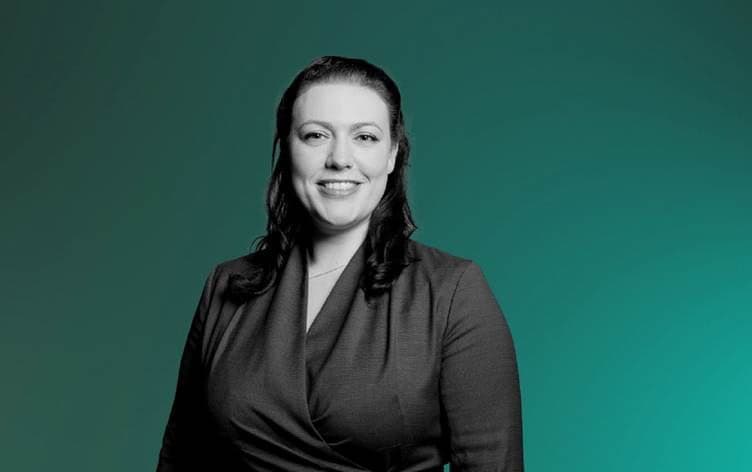
Alicia Kearns MP is the Vice-Chair of the All-Party Parliamentary Group on the Kurdistan Region in Iraq, a member of the Foreign Affairs Committee, and a member of the Joint Committee on National Security Strategy