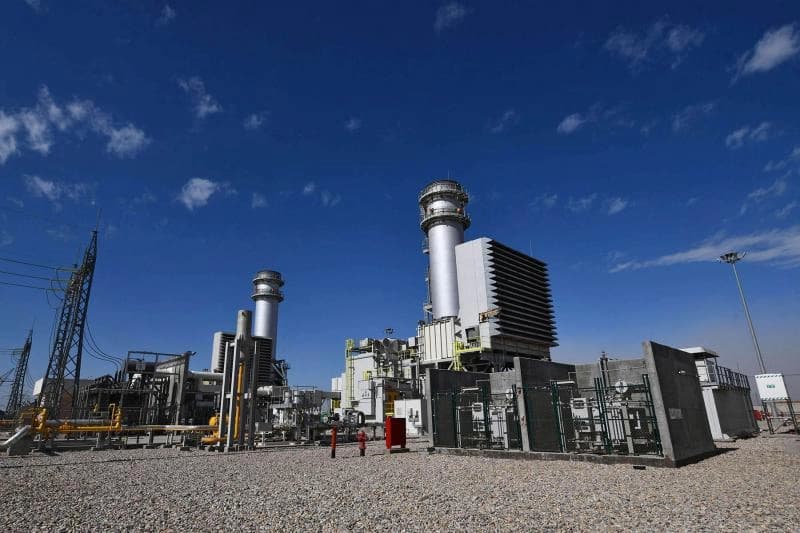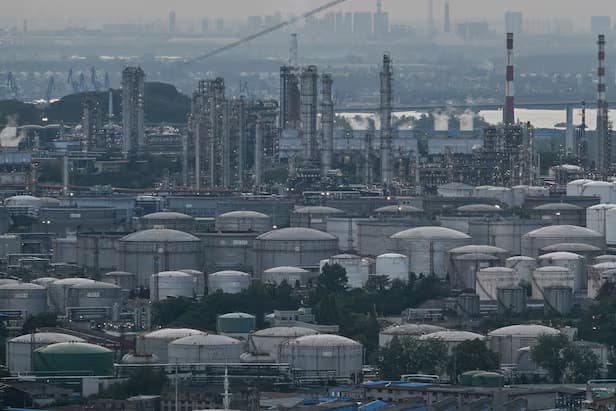

ERBIL, Kurdistan Region - Following the eruption of war between the United States and Israel with Iran since late February, the energy market and the security of oil and gas supply have suffered massive instability. Consequently, the Strait of Hormuz has become the central point of negotiations, given the absence of a short-term alternative to this route, and the world continues to suffer from the fallout.
For over five months, maritime traffic through the Strait of Hormuz has been anomalous. When nearly 20 percent of the oil and liquefied natural gas (LNG) from producing nations fails to reach consumer countries, the energy supply chain faces an unprecedented threat.
Due to tensions in the Strait of Hormuz and the targeting of shipping routes and industrial infrastructure, consuming nations have been forced to resort to unprecedented releases from Strategic Petroleum Reserves (SPR).
However, the rapid depletion of these reserves has exposed the global economy to immense risk, scaling up pressure on both Washington and Tehran to strike a deal before safety nets run completely dry and the situation in the Strait of Hormuz becomes normalized.
According to the International Monetary Fund (IMF) and the Oxford University Maritime Shipping Monitor, the number of ships passing through the Strait of Hormuz in the first half of this year decreased by one-third compared to the second half of last year. In the second half of 2025, 8,829 oil and gas tankers alongside 6,876 cargo ships passed through, whereas in the first half of 2026, this number fell to 2,938 oil and gas tankers and 2,841 cargo ships.
This massive shipping shortfall cannot be offset even by nations' Strategic Petroleum Reserves. If sustained, despite China reducing its oil imports by 32 percent and a supply release of 290 million barrels from strategic reserves by the US and consumer nations over the past five months, oil prices remain above $90 per barrel. Without the current crisis, prices would have been below $70 - representing a difference of $20 to $30 per barrel in a world that consumes over 102 million barrels daily.
Since the beginning of the war, there were fears of oil price spike shocks, inflation, and a global economic recession. However, the factors preventing an unprecedented price explosion were: the rerouting of exports by Saudi Arabia, the UAE, and Iraq; increased production from Brazil and Venezuela; the release of strategic petroleum reserves; and the utilization of China's oil stockpiles.
Currently, the energy market is grappling with two critical questions: How long can the world's two largest economies rely on strategic oil reserves for supply and consumption? What will be the consequences - for national reserve levels - of either an ongoing war or reaching an agreement?
The collapse of US reserves and China's tactics in this war
The calm currently observed in oil price markets is less about normalized production, restored supply chains, or shifts to clean energy, and more directly related to releases from US oil reserves and China's reduced demand for imports.
This comes at a time when three major global institutions - the International Monetary Fund (IMF), the World Bank Group (WBG), and the International Energy Agency (IEA) - jointly warn that continued reliance on reserves will heighten the likelihood of global inflation spikes, rising transportation costs, and chemical fertilizer shortages, which directly impact food prices by reducing supply and driving up costs.
According to data from the US Energy Information Administration (EIA), US Strategic Petroleum Reserve (SPR) levels are declining rapidly. As of July 24, total stored oil dropped to 308 million barrels, reaching its lowest level in four decades. The reduction in US reserves during this war (from March to July) reached 107 million barrels - a pattern that translates to a projected decrease of 5.4 million barrels per week and 21.5 million barrels per month if the situation in the Strait of Hormuz persists.
As the world's largest oil producer and consumer, the United States consumes 19.4 million barrels of oil per day (18.8 percent of total global consumption) while producing 21.1 million barrels per day (20.9 percent of global production). However, its total storage capacity stands at 700 million barrels, which is currently below half capacity and at a record low.
On the other hand, one of the hidden dynamics of this war is China's reduced demand for imported oil. China has reduced imports by 4.6 to 5 million barrels per day without halting its industries. However, some energy experts predict that if the Strait of Hormuz crisis continues, China may resume buying oil, which could cause prices to surge once more as was discussed at the start of the conflict.
Prior to the war, China's total stored oil stood at approximately 1.4 billion barrels - more than half of the world's total stored oil. However, total global oil stockpiles have dropped during this conflict from 2.4 billion barrels to 1.4 billion barrels.
If this state persists through the end of the year, global oil inventories will be depleted, exposing the market to an unprecedented shock.
These two economic giants account for 35.7 percent of total global oil consumption. Presently, due to these conditions, factories in China have scaled back production and citizens have turned to train transport over flights and increased EV usage, while the US continues to grapple with elevated energy prices and inflation risks.
Energy security and market resilience
"If the situation does not improve in the coming weeks, energy security will face a highly sensitive risk,” said Fatih Birol, Executive Director of the International Energy Agency, noting that utilizing stored oil is a temporary fix and lacks the capacity to compensate for long-term supply chain disruptions.
According to data from the IEA and the US EIA, national endurance capacities without oil imports vary significantly across major economies in 2026. Japan leads global resilience with 230 days of reserves, followed by South Korea at 110 days and China with over 100 days.
European countries demonstrate moderate buffer capacity, with Germany holding 91 days, the broader European Union ranging between 70 and 90 days, and the United Kingdom standing at 47 days, while the United States maintains an 84-day supply.
In contrast, India remains acutely vulnerable with just 10 days of strategic stock. As the Strait of Hormuz crisis persists, the number of days these nations can sustain daily oil demand strictly from storage continues to erode on a daily basis.
In reality, oil transit through the Strait of Hormuz in the first quarter of 2026 - a period covering nearly four months of war, ceasefires, and negotiations - fell by roughly half compared to the fourth quarter of 2025, rather than dropping to zero. According to EIA’s data, transit averaged 20.5 million barrels per day in the first half of 2025, but fell to 10.1 million barrels per day in the first half of 2026 - a reduction of 10.4 million barrels per day.
Even if conditions normalize and an understanding regarding Hormuz is reached, the 1.2 billion barrels of consumed oil will need to be replenished alongside normal daily demand.
This implies a record surge in demand for oil at a time when supply has dropped due to targeted infrastructure, blocked transportation routes, and reduced investment. This dynamic ensures that the consequences of closing the Strait of Hormuz during this war will linger, keeping oil prices elevated longer than anticipated.
Conclusion
All eyes are now fixated on negotiations regarding maritime transit through the Strait of Hormuz.
The breakdown of the Geneva memorandum of understanding in early July stemmed from differing interpretations between Tehran and Washington regarding the clause on the Strait of Hormuz. Consequently, normal shipping resuming in the strait will push Tehran-Washington negotiations into a new phase, as actors ranging from oil-exporting nations to end consumers suffer from this uncertainty.
The release of 290 million barrels out of 400 million in reserves by IEA countries, the drop in US SPR stockpiles below 308 million barrels, and China's usage of nearly 700 million barrels of reserves demonstrate that relying on strategic reserves is a temporary patch, not a long-term solution.
Ultimately, refilling these storage facilities will exert tremendous upward pressure on prices.
The most likely short-term scenario remains reaching a compromise agreement to halt hostilities and re-open the Strait of Hormuz; rejecting this path risks pushing the global economy into a rare crisis and driving reserve levels beneath red lines.
.png&w=3840&q=75)