ERBIL, Kurdistan Region - US Secretary of State Marco Rubio told the Senate on Tuesday that the United States' naval blockade of Iranian ports will remain in place as long as Iran keeps the Strait of Hormuz closed.
"If they're gonna shut down the Strait for everybody, we're gonna shut the Strait for them," Rubio said. He further described the US naval blockade on Iranian ports as “a very effective,” noting that by “seizing sanctioned vessels” linked to Iran's shadow fleet in the Indo-Pacific has been impactful as well.
The remarks come amid efforts to finalize a framework agreement that would extend the current ceasefire and pave the way for broader negotiations on unresolved issues between the two countries.
The US and Israel in late February launched a large-scale aerial campaign against Iran, striking thousands of targets across the country during six weeks of hostilities.
In response, Iran carried out thousands of drone and missile strikes across the Middle East, targeting alleged US assets in the region, as well as launching retaliatory attacks against Israel.
The Iranian response also involved armed groups aligned with Tehran's so-called ‘Axis of Resistance,’ with several factions claiming responsibility for attacks on alleged US targets across the region, including in Iraq and the Kurdistan Region.
Iran and the US agreed to a Pakistan-mediated ceasefire on April 8, halting hostilities to create space for diplomatic negotiations. While the first round of talks concluded without a final agreement on April 11, a second round has yet to take place.
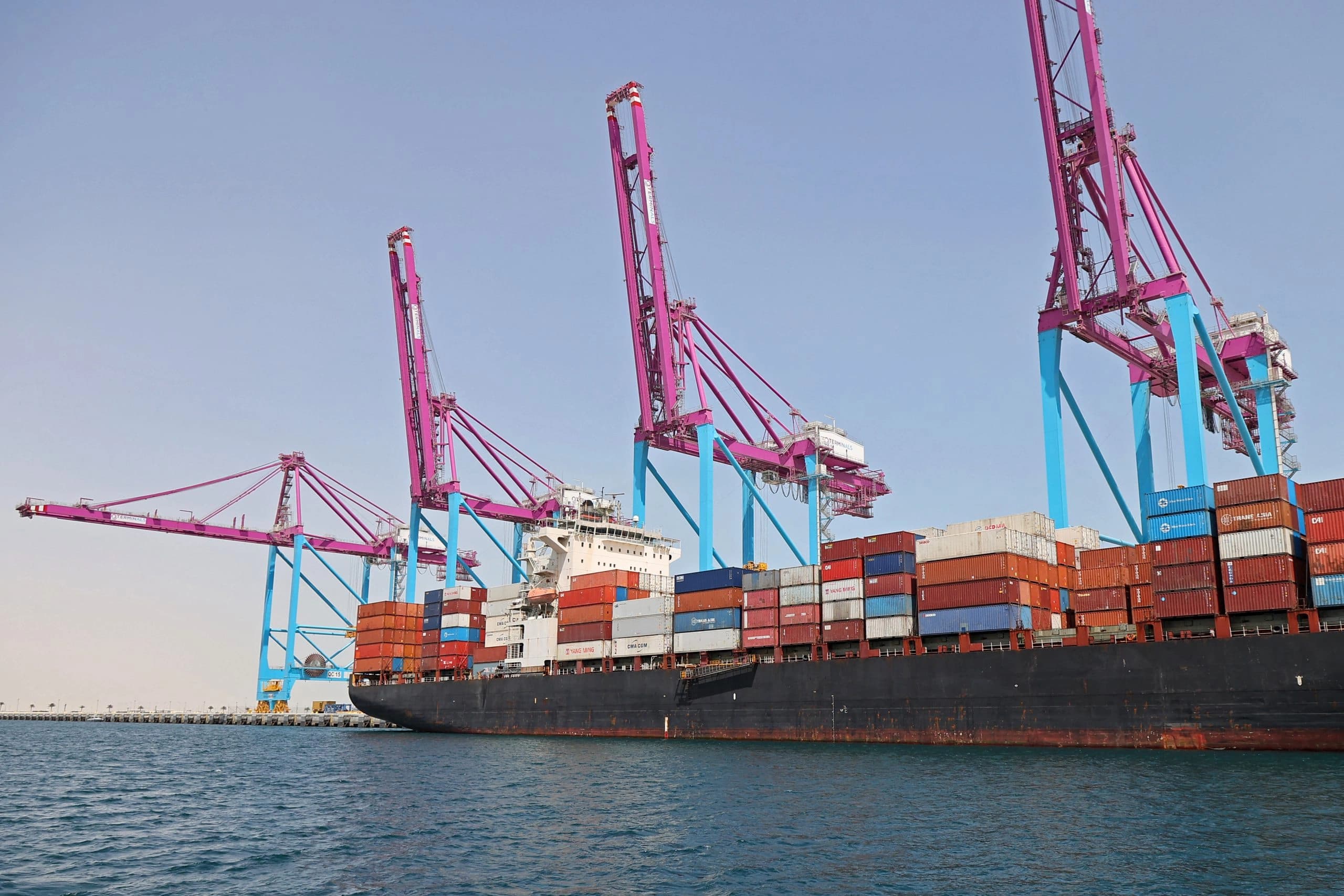
Alongside the diplomatic efforts, Tehran and Washington engaged in reciprocal maritime measures. Iran tightened its control over shipping through the Strait of Hormuz, while the US imposed a naval blockade on Iranian ports beginning April 13.
Emphasizing that "what they're [Iranian side] doing is unlawful and illegal," the secretary of state argued that "there isn't a country on earth other than Iran - and maybe Oman that flirted with it - who is in favor of what Iran is doing in the Strait."
Nevertheless, Rubio said, "If they open the Strait, we will lift our blockade," adding that ships should be able to transit the strategic waterway "without being fired on and without paying a toll."
Moreover, he added that “if Iran wants to be able to move its oil again… they would have to reopen it," warning that "if they refuse to do so, then we have other options available to us, but we would prefer to negotiate."
Notably, Rubio’s remarks came shortly after Iran’s semi-official Mehr News Agency reported on Tuesday that Tehran is still reviewing the final draft of a proposed memorandum of understanding (MoU) with the US aimed at ending months of war, but that it has yet to deliver an official response.
“The final text is still under discussion in Tehran, and no response has yet been sent,” Mehr cited an informed source as stating, adding that Iran remains cautious due to what it sees as a history of US non-compliance with previous commitments.
For his part, the US secretary of state reiterated on Tuesday that the issue of Iran’s highly enriched uranium stockpile remains a key sticking point in the peace efforts.
“They have to agree on negotiating severe and long-term limitations and/or cancellation of enrichment," he said.