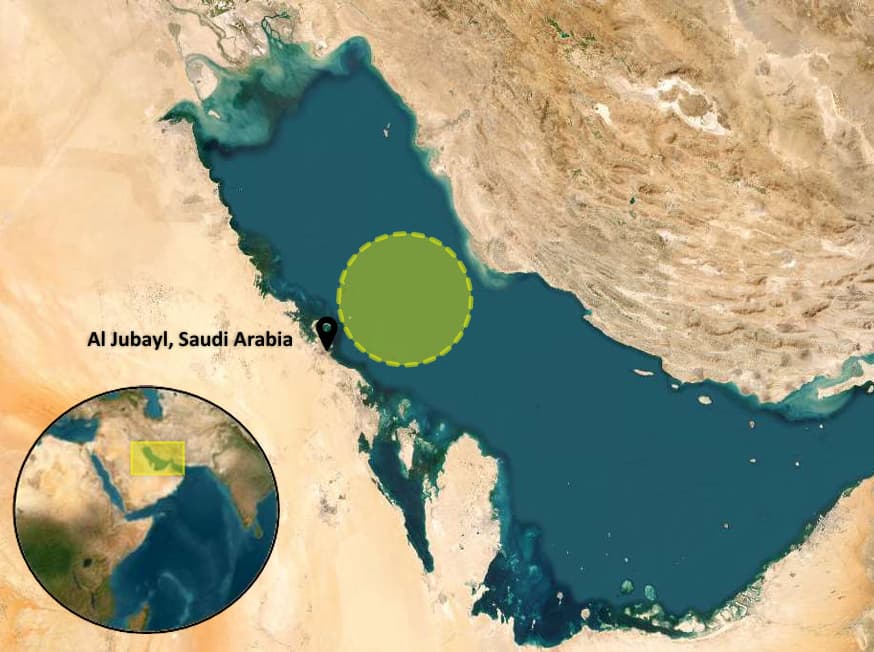
ERBIL, Kurdistan Region - Iran’s Islamic Revolutionary Guard Corps (IRGC) said Thursday it carried out a retaliatory strike against a US airbase in the region after American forces attacked an area near the southern Iranian port city of Bandar Abbas, escalating tensions despite ongoing diplomatic efforts to secure a permanent truce.
“Following the pre-dawn aggression today by the invading American army against a point on the outskirts of Bandar Abbas Airport using aerial projectiles, the American airbase, as the origin of the aggression, was targeted at 4:50 a.m.,” the Revolutionary Guards said, according to Iranian state media.
Iran did not identify which US base was targeted. However, Kuwait’s army announced early Thursday that its air defenses were actively “confronting hostile missile and drone attacks.”
Iranian armed forces described the strike as a “serious warning,” saying any future attacks “will not go unanswered” and warning that any repeat would draw a “more decisive” response.
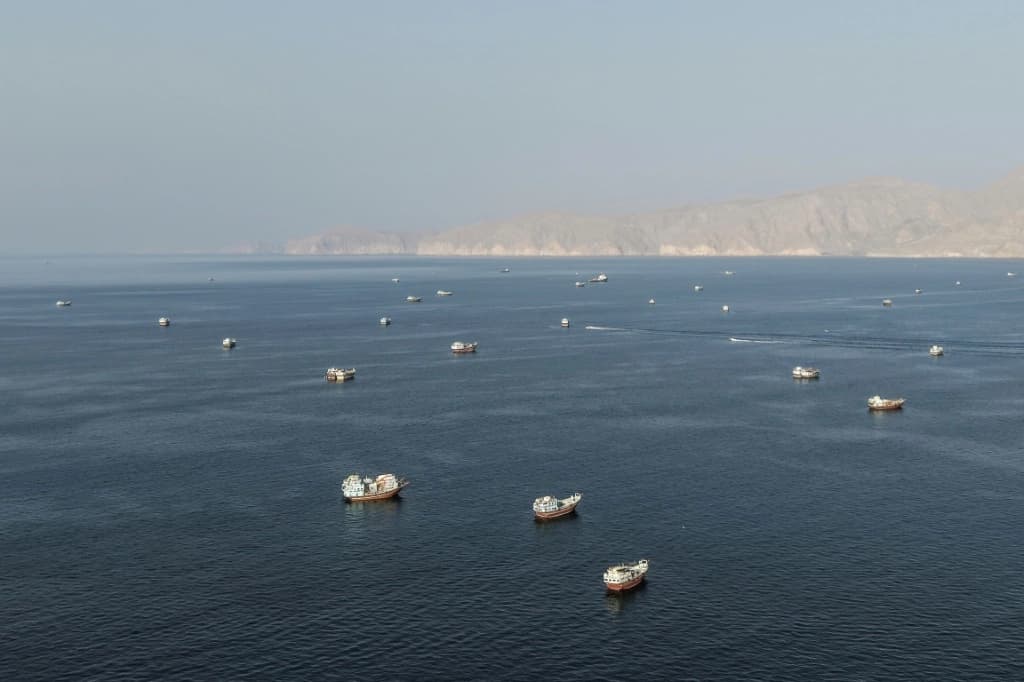
The exchange came after the US launched new strikes late Wednesday on Iran’s southern port city following an incident in which the IRGC Navy targeted a US vessel transiting the Strait of Hormuz - a waterway that has become a central point of tension between Tehran and Washington.
“These actions were measured, purely defensive, and intended to maintain the ceasefire," an anonymous US official said.
The latest US strike was the second reported American attack this week. On Monday, US forces targeted Iranian missile facilities and fast boats, reportedly killing four IRGC members. Washington also characterized the strikes as defensive.
Tehran and Washington have exchanged military and maritime escalations in and around the Strait of Hormuz since February 28, when a joint US-Israeli attack on Iran triggered a nearly six-week conflict.
Although a Pakistan-mediated ceasefire took effect on April 8, tensions have persisted.
US Central Command (CENTCOM) said Wednesday that its blockade measures in the waterway have redirected 109 commercial vessels entering or leaving Iranian southern ports.
In response, Iran has imposed a permission-based transit system in the Strait of Hormuz, inspecting, tolling and, at times, targeting vessels that do not comply with its directives.
Tehran has repeatedly warned that if the strait is closed, it will be closed to all regional traffic. Iran also established the Persian Gulf Strait Authority to collect fees from commercial vessels, prompting new US Treasury sanctions on Wednesday.
US President Donald Trump said Wednesday that any future agreement with Tehran would require the immediate reopening of the Strait of Hormuz and prevent any single country from controlling it.
“We'll watch over it, but nobody's going to control it. That's part of the negotiation that we have. They would like to control it. Nobody's going to control it,” Trump said.