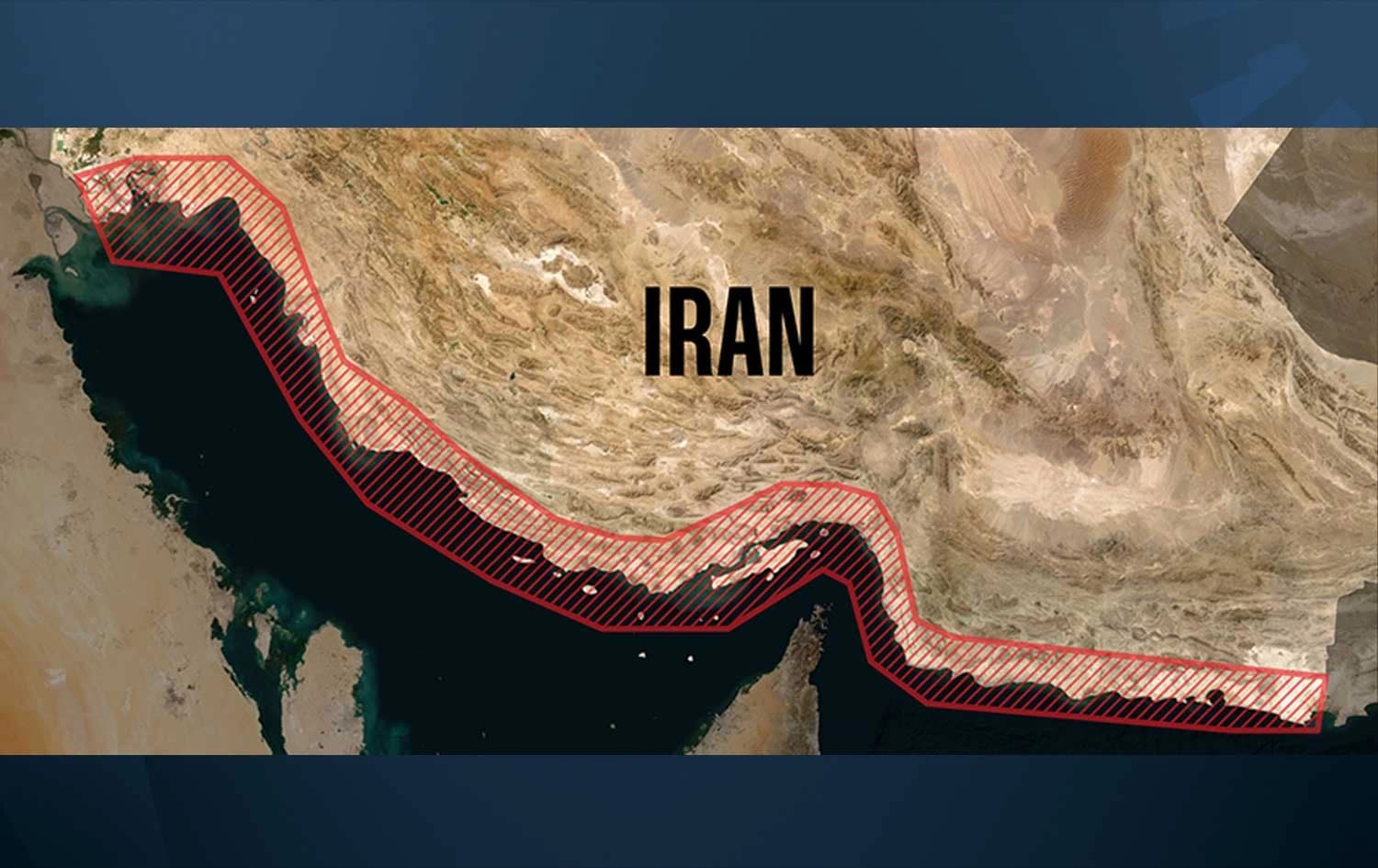

ERBIL, Kurdistan Region - US Central Command (CENTCOM) said late Monday that its forces had redirected the 130th commercial vessel in the Middle East as part of Washington’s blockade on Iranian ports, as the Strait of Hormuz has seen a sharp rise in attacks on vessels by the Islamic Revolutionary Guard Corps (IRGC).
CENTCOM said that it has destroyed 13 commercial vessels that were violating the blockade or were part of the IRGC’s “multi-billion-dollar shadow network.” CENTCOM also said that three vessels have been disabled.
"The U.S. military remains intensely focused on this mission," said Adm. Brad Cooper, CENTCOM commander. "We will swiftly act against any vessels trying to run the blockade. Our forces are highly trained, professional, and lethal."
The Strait of Hormuz, a critical global energy chokepoint through which about a fifth of the world's oil and LNG passed before the US-Israeli aerial campaign against Iran began in late February, has remained a major flashpoint in the conflict.
The announcement came hours after two tankers were struck in the Strait of Hormuz within a 24-hour period, according to the United Kingdom Maritime Trade Operations (UKMTO), while a third tanker reportedly avoided being targeted after complying with instructions from the IRGC.
UKMTO said it received a delayed report that a crude oil tanker had been struck by an unknown projectile. In a separate statement, the maritime monitor said an LPG tanker traveling inbound had also been hit by an unknown projectile.
While the attacks on commercial ships continued by the IRGC, Gulf oil exporters topped pre-war levels for about half of September, shipping data showed on Monday, Reuters said.
In its weekly Voluntary Reporting Area overview published Thursday, UKMTO said vessels continued to face attacks along the southern route near Oman, with ongoing military activity keeping the threat to commercial shipping elevated.
The monitor said 48 projectile strikes had been reported since early July, including 31 along the southern Omani route. Of those incidents, 25 involved damage to vessels’ engine rooms.