
ERBIL, Kurdistan Region - The Iran-backed Ansarullah movement in Yemen - widely known as the Houthis - attempted a drone attack Tuesday on Mecca, Islam's holiest city, the spokesperson for the Saudi-led coalition backing Yemen's internationally recognized government said Wednesday, as the Organisation of Islamic Cooperation (OIC), the 57-member body of Muslim-majority states, condemned the incident as an act of “terrorism.”
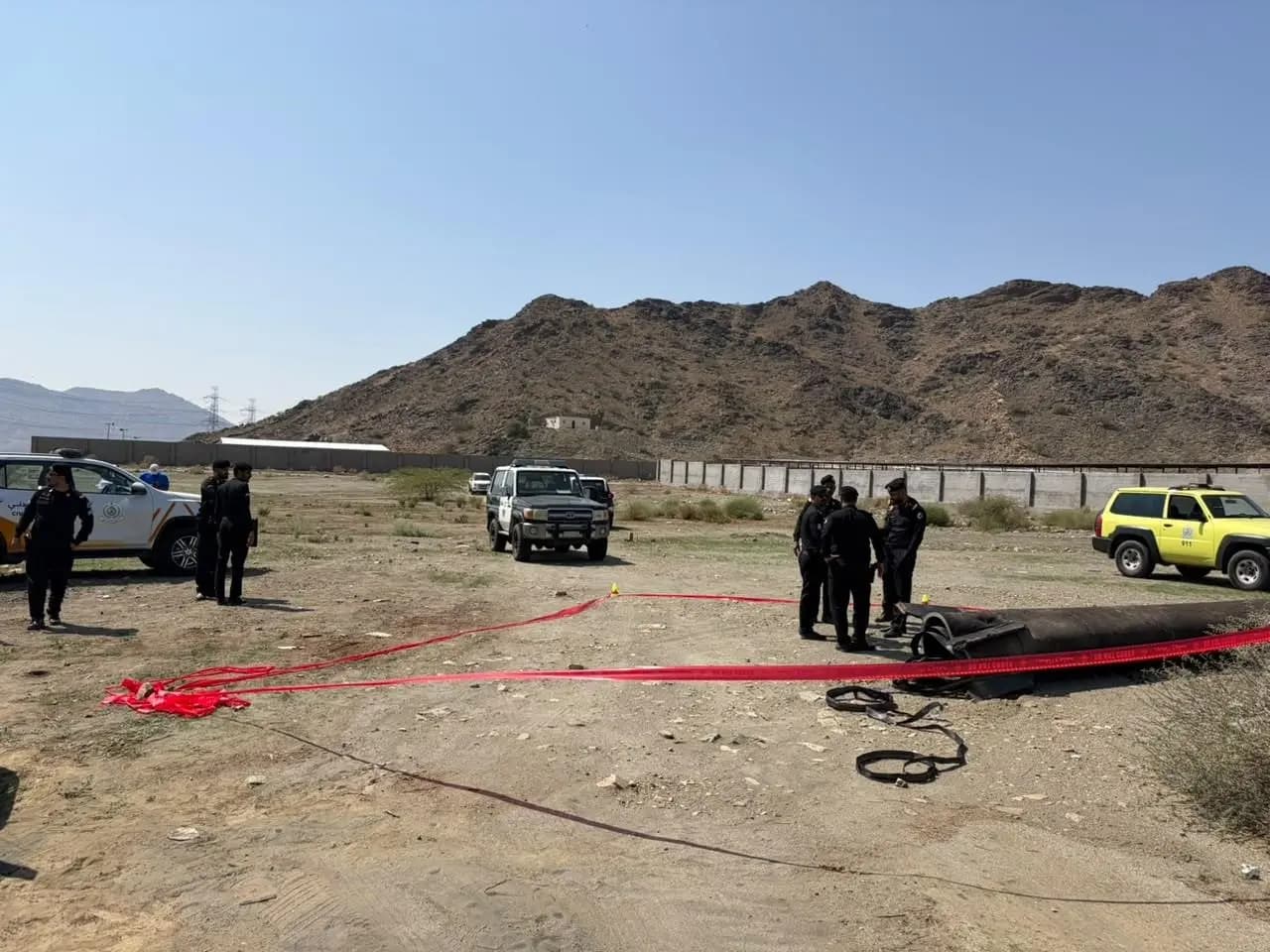
Saudi air defense forces “intercepted and destroyed a hostile drone launched by the Houthi terrorist militia before it entered the prohibited airspace of the Holy City of Mecca,” Major General Turki al-Malki, the bloc's spokesperson, said, adding that the attempted attack took place at 6:50 pm local time on Tuesday and that “the drone was intercepted south of the city.”
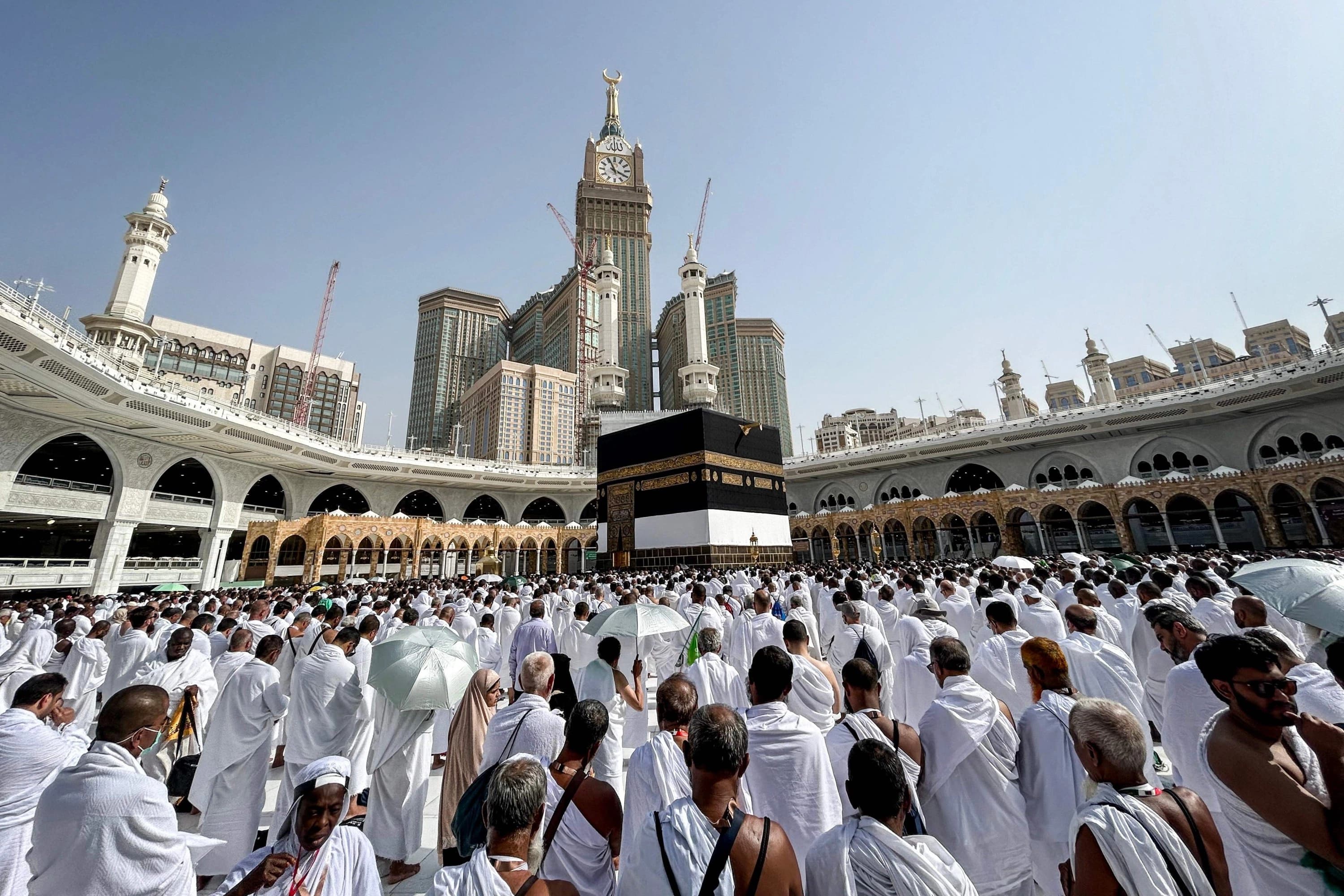
The incident “marks the second attempt to target Mecca, following the first attempt on July 27, 2017, when a ballistic missile was fired at the city,” Malki said, condemning the attack as “a shameful act” targeting “a destination held sacred in the hearts of millions of Muslims around the world” and “an attempt to terrorize” pilgrims and residents of the holy city.
The security of Islam's holy sites in Saudi Arabia and the safety of pilgrims is “a red line,” he further affirmed, stressing that “the Coalition Joint Forces Command will not hesitate to take all necessary and deterrent measures against the Houthi terrorist militia and its hostile and terrorist conduct.”
For its part, the OIC slammed “the criminal attacks launched by the Houthi group against the city of Mecca and the Medina region, and its continued aggression against Saudi Arabia,” attacks it said, “terrorize civilians, violate the sanctity of holy sites and mosques, and provoke the sentiments of Muslims worldwide.”
“The acts perpetrated by the Houthi terrorist militia against holy sites, mosques, and civilian infrastructure constitute terrorism incompatible with Islamic values and international norms, principles, and law,” the body added, stressing that “violations of the sanctity of holy sites represent a transgression that cannot be accepted or tolerated, and that those responsible must be deterred.”
The OIC also expressed “full solidarity with Saudi Arabia” and support for “all measures the Kingdom takes to deter terrorist aggression, preserve the sanctity of holy sites and the lives of Muslims, and protect its security and sovereignty.”
The Houthis have yet to respond to the accusations. The development is nonetheless the latest in a round of escalation between Riyadh and the Iran-backed group that erupted in mid-July, when the Saudi-aligned internationally recognized government in Aden disabled the runway at Houthi-controlled Sana’a International Airport to prevent an Iranian aircraft from landing.
In response, the Houthis launched ballistic missiles and drones at Abha International Airport in Saudi Arabia and announced a blockade on Saudi shipping through the Red Sea, framing it as a “siege for siege” - a reference to what they describe as a Saudi blockade on their ports, an accusation Riyadh has categorically denied.
As of late, the Houthis swept down Yemen's western coastline, capturing the strategic Hodeidah districts of Hays and al-Khawkhah before seizing the vital Red Sea port city of Mokha, forcing government and allied forces to withdraw southward.
The Iran-backed group then pushed into Dhubab and captured Perim Island (Mayun Island) in the Bab al-Mandeb Strait, consolidating their leverage over international shipping lanes critical to Saudi Arabia's oil exports.
On Monday, the Houthis also deployed to the Hanish Islands further north, while heavy multi-front ground battles and drone and missile exchanges continued around Taiz and southern Saudi Arabia.
The rapid advances have triggered a severe humanitarian crisis, displacing tens of thousands of civilians, while internationally recognized government forces have launched limited counter-attacks in western Taiz in a bid to reclaim lost ground.
The ongoing escalation marks the first of its kind since an informal truce between the two sides took hold in 2022.