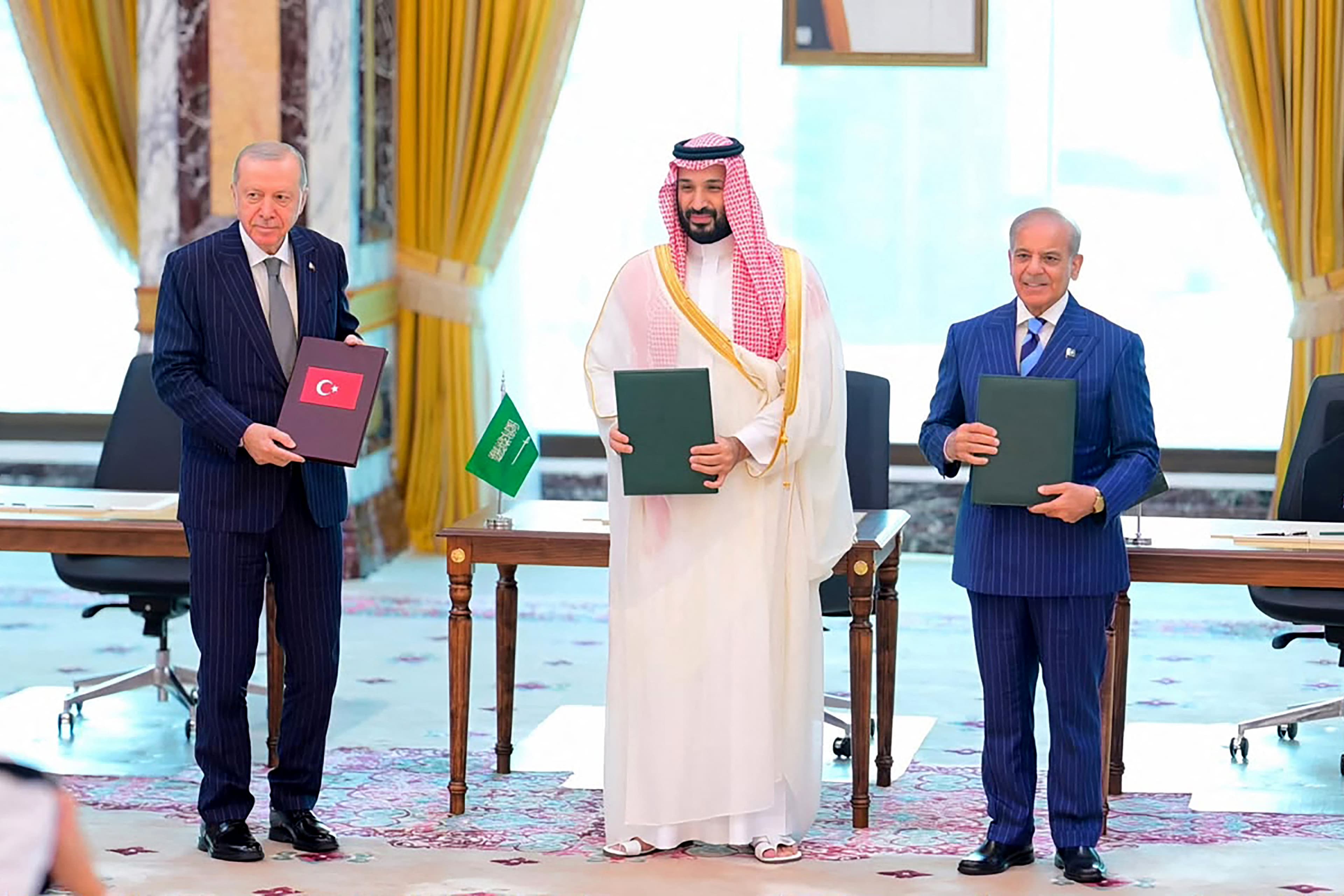

ERBIL, Kurdistan Region - Turkey, Saudi Arabia and Pakistan are uniting under a new collective defense pact at a time when Iran, whose regional security policy since the 1979 revolution has relied heavily on projecting influence beyond its borders, grapples with deepening political divisions and economic crises amidst high tension with the US and Israel.
Turkish Foreign Minister Hakan Fidan stressed on Saturday that the three signatories to the Mecca Joint Defense Agreement do not pursue expansionist foreign policies.
“Saudi Arabia, Pakistan and Turkey, when you look at their foreign policy positions, are not countries that have expansionist policies,” Turkish Foreign Minister Hakan Fidan told state-owned Anadolu Agency. “They are countries concerned with their own borders, their own problems and their development,” he insisted.
He described the emerging alliance as defensive rather than offensive and insisted it was not directed against Iran, stressing that the discussion about the current pact emerged three years before the current war between Tehran and Washington.
The alliance emerged at a critical time for Riyadh which had been targeted dozens of times by one-way attack drones and missiles from Iran and its regional proxies in Iraq and Yemen.
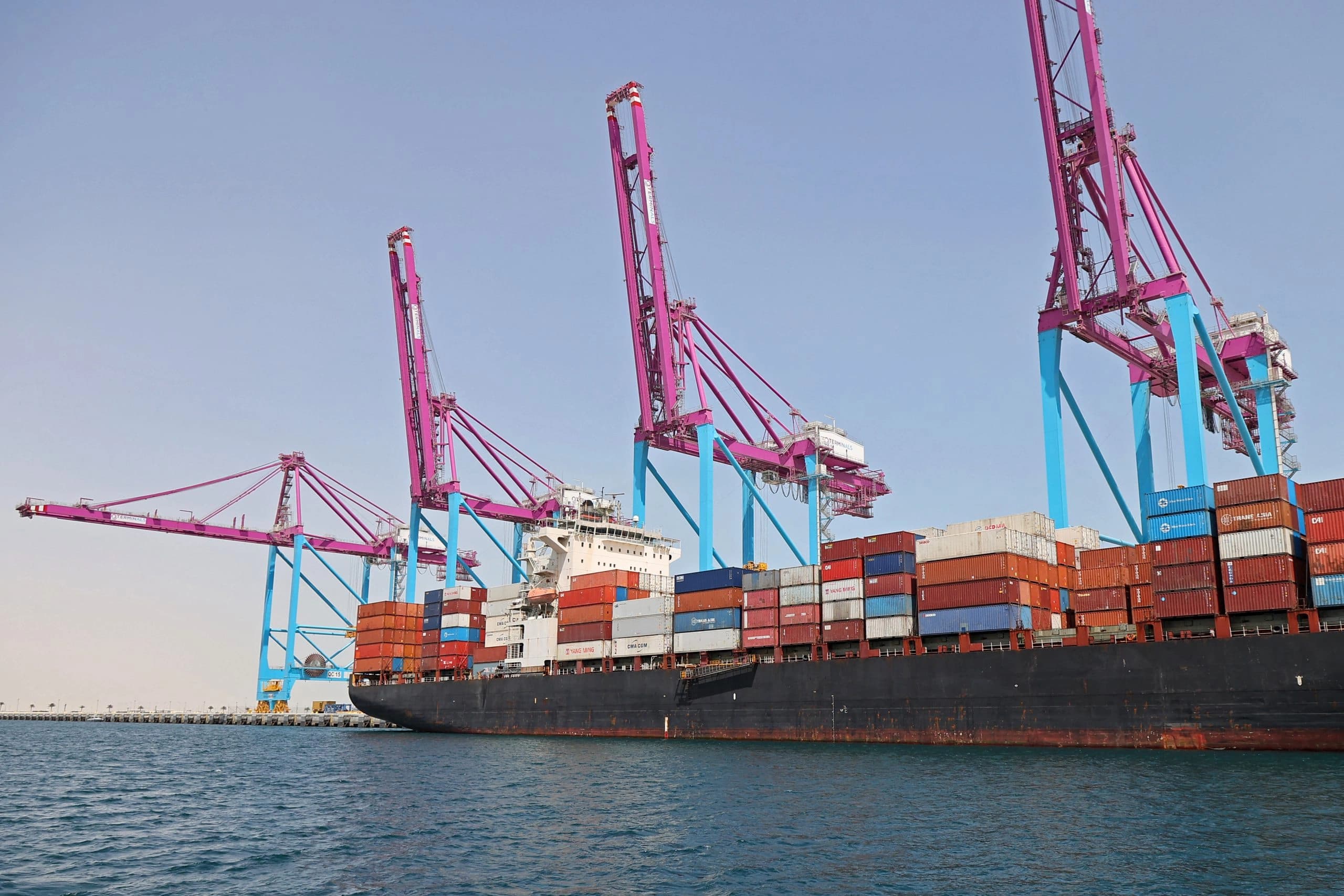
Tehran has stayed defiant even as its negotiators are currently drawing up a roadmap with their Omani counterparts for the reopening of the Strait of Hormuz, backed by the US.
Hossein Mohebbi, spokesperson for Iran’s Islamic Revolutionary Guard Corps (IRGC), on Saturday sought to draw a clear distinction between those negotiations and any broader reopening of the Strait.
“The reopening of the Strait of Hormuz has no connection whatsoever to the negotiations between Iran and Oman,” Mohebbi said, while clarifying that “The manner and timing of the reopening directly depend on the extent to which the United States accepts our conditions.” Iranian state media reported Mohebbi having described Hormuz as no longer merely an economic passage but an “instrument of power and war.”
Nevertheless, Tehran is suffering from deepening internal division which could undermine its position vis-a-vis the regional powers and the US in the long term.
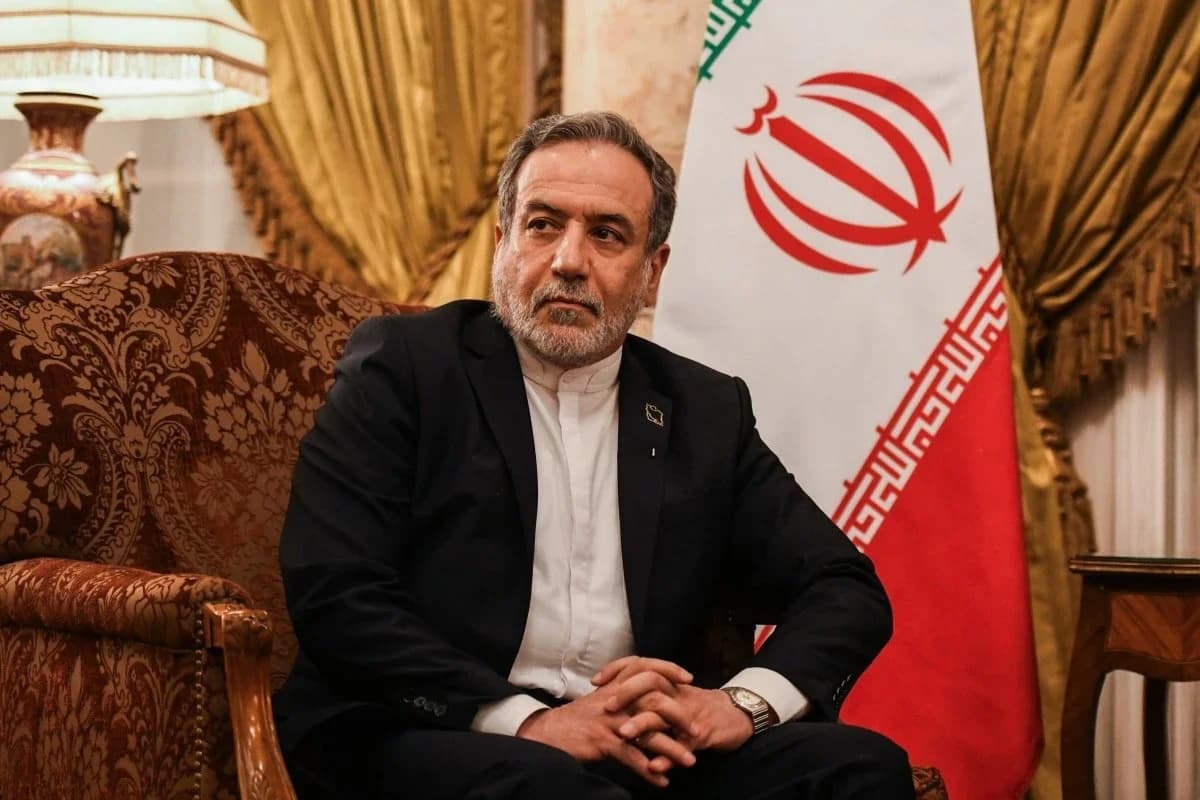
President Masoud Pezeshkian on Saturday publicly acknowledged “disagreements” after reports that Supreme National Security Council Secretary Mohammad Bagher Zolghadr had submitted his resignation.
“There are a number of disagreements that we are trying to resolve,” Pezeshkian said, without explaining their nature. Iranian media subsequently reported that he had rejected Zolghadr’s resignation and asked him to remain in office.
The reported dispute bears particular relevance in that the Supreme National Security Council sits at the center of Iranian decision-making on the war, negotiations with Washington and the Strait of Hormuz.
Iran’s political system has long been divided between the elected government and powerful unelected institutions, particularly the IRGC, which has played a central role in Tehran’s regional strategy since the revolution.
While Pezeshkian has increasingly emphasized negotiations and the need to reduce pressure on the country, hardline security officials have continued to issue sweeping conditions for concessions on Hormuz and other aspects of the conflict.
Zolghadr posted on X on Saturday outlining the conditions that Washington must agree with before the reopening of the Strait which include ending attacks on Iran and its regional allies, lifting the maritime blockade and sanctions, withdrawing US military forces from around Iran, reparations for the two wars and releasing frozen Iranian assets.
Iran has repeatedly said that if it comes under attack again, it will target the US bases in the region, including in Saudi Arabia. It is not clear how the Mecca Alliance will react if that scenario were to unfold.
Fidan said the agreement resembles that of NATO’s Article 5 collective defense principle stating that members will be able to request intelligence, logistics, ammunition or even military units in the event of an attack. A joint political and military committee and permanent secretariat in Saudi Arabia are also planned.
He said Turkey eventually envisions the group's expansion beyond its three founding members, underpinning a broader future regional security architecture. Egypt appears to be the next member to join the alliance.
"Egypt is already our natural partner on all issues. I believe that at the next stage Egypt will also be among us in the alliance. We already act toward one another as if we were alliance members. There are a few technical issues," he said. "Once these are implemented, there is no reason for Egypt not to be part of it."