
ERBIL, Kurdistan Region - American forces have intercepted two dozen vessels bound for Iran since Washington reinstated its maritime blockade on Iranian ports in mid-July, US Central Command (CENTCOM) said Wednesday, as President Donald Trump warned that US forces would hit Iran "very hard" after Iranian forces attempted a "surprise" missile attack on American troops in the region.
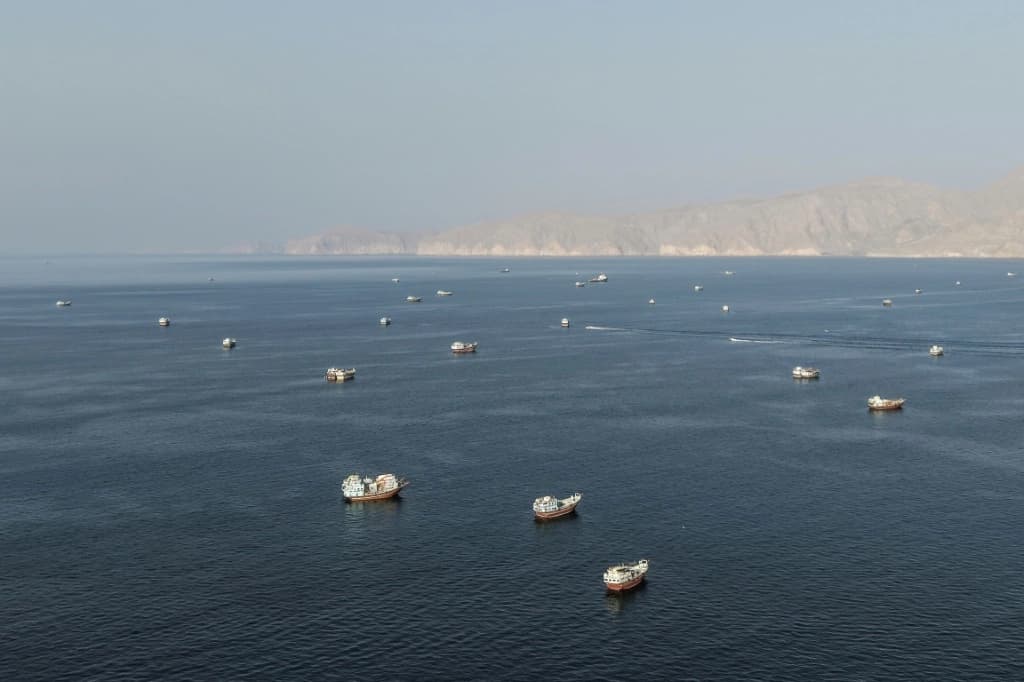
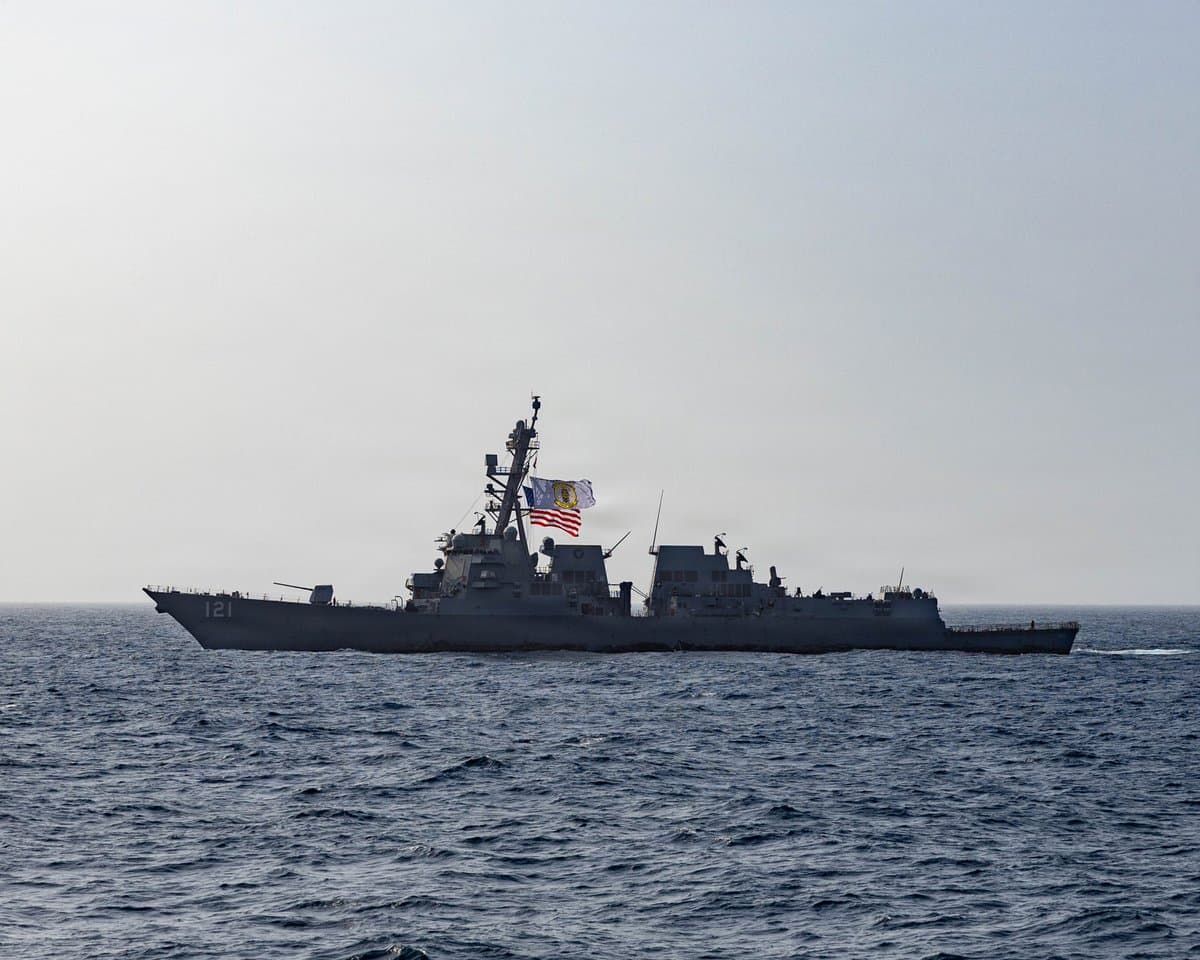
"As of [Wednesday] July 29, CENTCOM has redirected 20 commercial vessels, disabled two, and boarded two," the Command said in a statement on X, adding that its forces "continue to strictly enforce the U.S. blockade against Iran."
The US had restored its naval blockade on Iran’s southern ports on July 14, citing directives from Trump, "to support traffic flow through regional waters for all vessels not violating the blockade."
The Command then explained that the resumption of the embargo follows its initial implementation, which began April 13 and ended June 18 - days after Tehran and Washington agreed to a preliminary ceasefire to the Iran war.
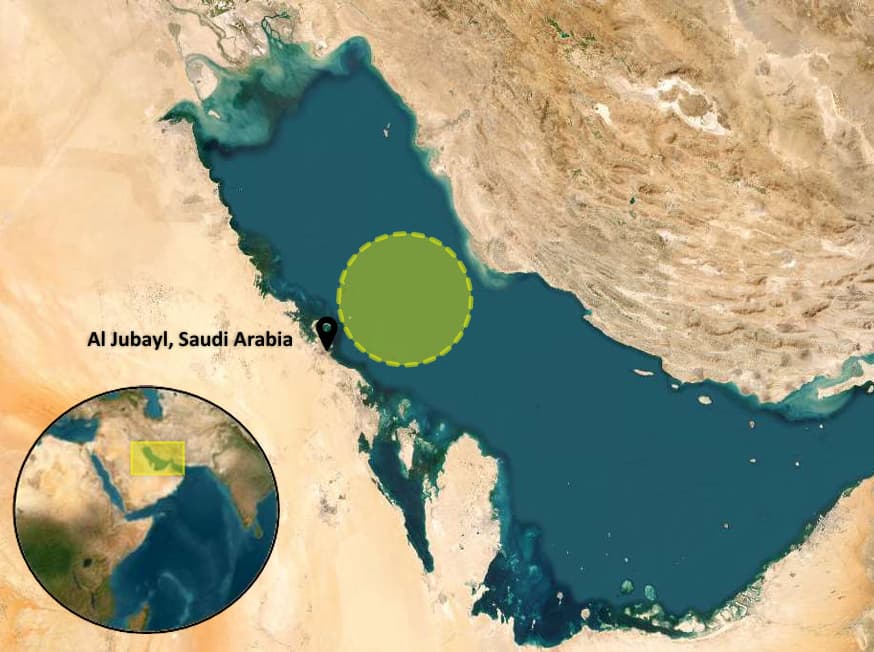
Earlier on Wednesday, CENTCOM had issued a previous statement reporting that Iran's Islamic Revolutionary Guard Corps (IRGC) forces had "launched multiple ballistic missiles from Iran in an attempted surprise attack on U.S. forces based in the Middle East."
"All Iranian missiles were successfully intercepted. U.S. forces remain vigilant and at a high state of readiness," the statement added.
The IRGC said Wednesday that its "aerospace forces targeted the airbase and central command center of the US military in Jordan with several ballistic missiles."
"As long as the threats against the Islamic Republic of Iran continue … the resistance will also continue," the IRGC said, adding that "the threats by American officials and illegal interventions against our interests must stop."
Asked about the ballistic missile attack by Fox News on Wednesday, the US president responded, "We're going to be hitting them very hard. Because it's our turn to hit them. They know it's coming. They're asking us not to do it."
The tensions come after the US and Iran paused hostilities on Friday, following strikes and counterstrikes that had continued since July 8 - weeks after the two sides signed the Islamabad Memorandum of Understanding in mid-June, which established a ceasefire on all fronts and reopened the Strait of Hormuz to commercial shipping.
The two sides had also escalated their rhetoric, with Tehran threatening regional infrastructure and oil flows if Iranian facilities were targeted or Iran was barred from exporting oil, and Trump vowing to strike a bridge and power plant for every vessel Iran's military attacks in Hormuz and threatening to strike a new nuclear facility Iran is allegedly building in central Isfahan province.
Despite this, the US president was cited by the American website Axios on Monday as confirming that intense indirect talks with Tehran are underway. "We are in very deep talks with Iran," Trump reportedly said, warning that "if they don't work out, we will go back to very strong military action."
In a separate interview with Israel's Channel 12 on Monday, Trump was quoted as saying he was close to deciding on renewed, broader strikes against Iran.