
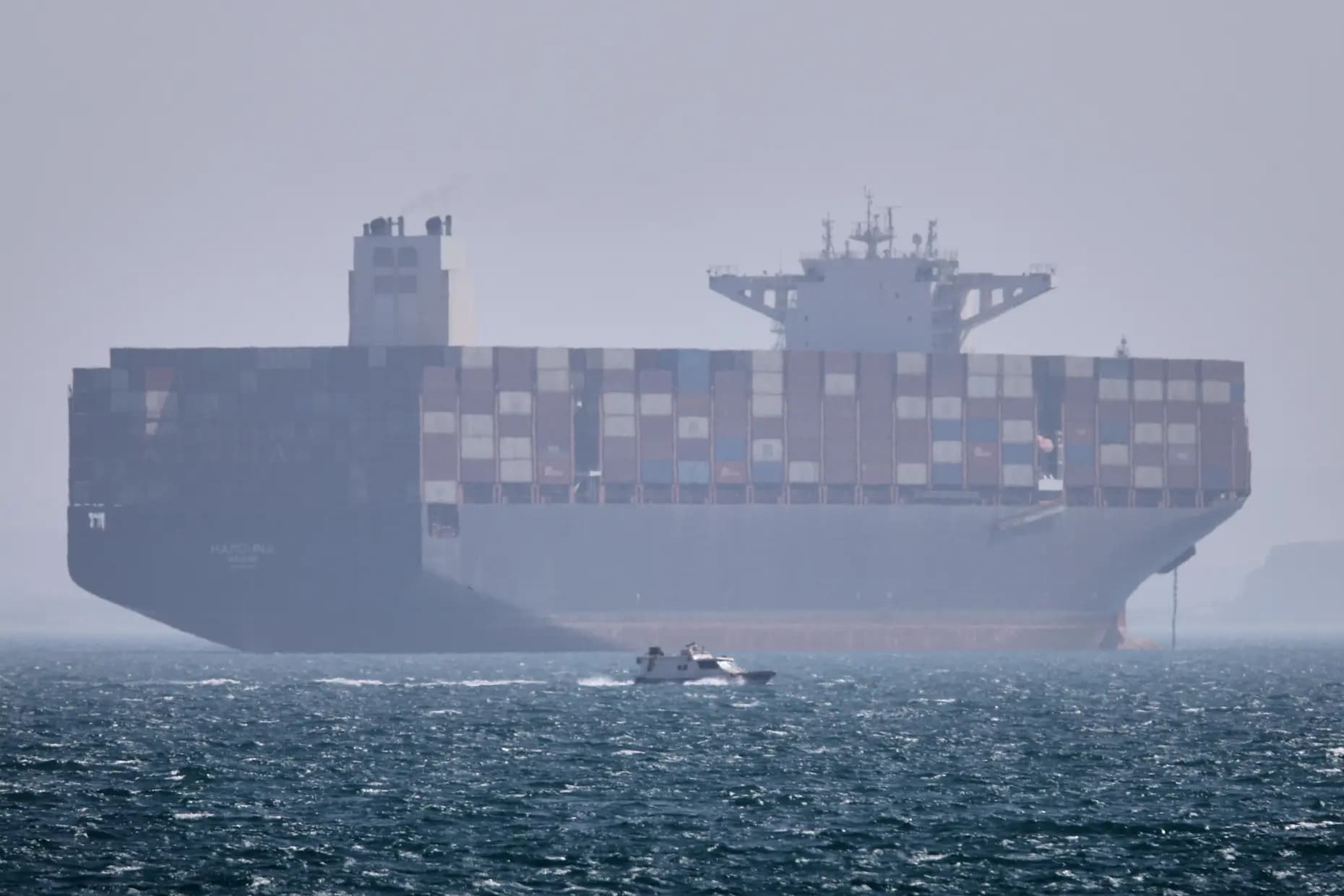

ERBIL, Kurdistan Region - Tensions in and around the Strait of Hormuz escalated sharply on Tuesday as Iranian forces said they launched a second wave of strikes on Kuwait and Bahrain, fueling anticipation of retaliatory strikes from the United States.
The Islamic Revolutionary Guard Corps (IRGC) said it "destroyed several hangars storing weapons and parts for the enemy's vessels and aircraft at the Sheikh Isa Base in Bahrain." It added that, "by attacking the deployment ramp of the enemy's MQ-9 drones at the Ali Al Salem Base in Kuwait," it "destroyed or damaged a number of drones."
These attacks, the IRGC claimed, "were in response to" US strikes on "a number of our armed forces' coastal stations," adding that its attacks would continue so long as the US's "crimes continue," and vowing "surprising responses" ahead.
Kuwaiti Defense Ministry Spokesperson Colonel Saud Abdulaziz al-Atwan said in a Tuesday statement that the Sheikhdom's forces are "engaging hostile attacks resulting from the blatant Iranian aggression" against Kuwait.
The Kuwaiti defense ministry later on Tuesday detailed that 33 drones, one ballistic missile, and five cruise missiles were launched by Iran at Kuwaiti territory.
Four Kuwaiti armed forces servicemen were injured, the ministry added, noting that after "receiving the necessary medical care and treatment, their condition is stable."
In a separate statement issued earlier in the day, the IRGC said it had launched an earlier attack targeting Bahrain, claiming that the "Patriot radar, US 5th Fleet air control radar, and a C-RAM early warning system in Bahrain were destroyed," adding that "the command and monitoring center for unmanned surface vessels was completely neutralized."
For their part, Manama authorities had not issued a statement at the time of this report's publication.
The developments come as the US Central Command (CENTCOM) late on Tuesday declared that their forces “resumed the naval blockade against vessels transiting to and from Iranian ports and coastal areas.
The Command detailed that “there are currently more than 20 U.S. Navy warships and hundreds of military aircraft operating across the Middle East. American forces remain vigilant, lethal, and ready.”
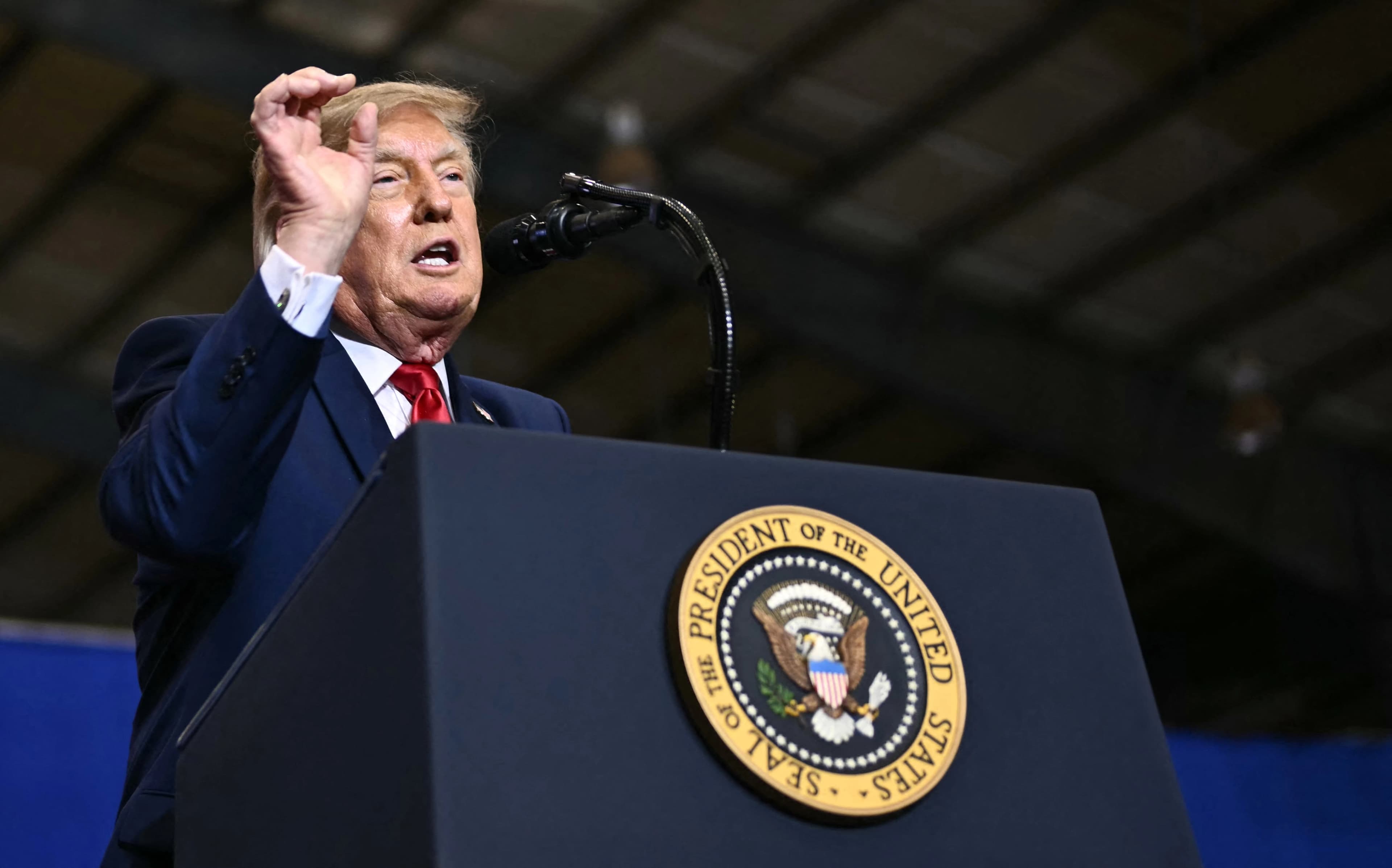
Earlier in the day, US President Donald Trump had stated that "the Strait of Hormuz is open to ALL Ship traffic except for Iran."
In a statement posted on Truth Social, Trump attributed the decision to the Iranian side's "lying, violent, malicious leadership, which is taking them down the path of TOTAL DESTRUCTION.”
“We will therefore have a FULL Blockade, but only on Ships coming to and from Iranian ports, or carrying anything that has to do with Iranian cargo," he said.
The US resumed its naval blockade of Iranian ports, days after it first imposed the measure on April 13 and then lifted it on June 18 - shortly after Tehran and Washington reached a preliminary ceasefire.
The two sides had signed the Islamabad Memorandum of Understanding in mid-June, halting military operations on all fronts and lifting maritime restrictions on Iran.
Washington and Tehran also committed to holding talks toward a comprehensive settlement within 60 days of signing, with room to extend by mutual consent. However, that timeline is now in doubt as hostilities between the two sides have escalated again.
.webp&w=3840&q=75)