ERBIL, Kurdistan Region - The United States will restore naval blockade on Iran’s southern ports starting Tuesday, the US Central Command (CENTCOM) announced on Monday, as the days-long flaring tensions between Washington and Tehran continue to test the month-old ceasefire.
Citing directives from US President Donald Trump, CENTCOM said its forces "will resume blockading maritime traffic entering and exiting Iranian ports" on July 14 at 11 pm local time, adding that the US military will continue "to support traffic flow through regional waters for all vessels not violating the blockade."
The Command explained that the resumption of the embargo follows its initial implementation, which began April 13 and ended June 18 - days after Tehran and Washington agreed to a preliminary ceasefire.
CENTCOM on Monday advised mariners to "monitor Notice to Mariners broadcasts and contact US naval forces" operating "in the Gulf of Oman and Strait of Hormuz," adding that "additional information will be provided to commercial mariners through a formal notice."
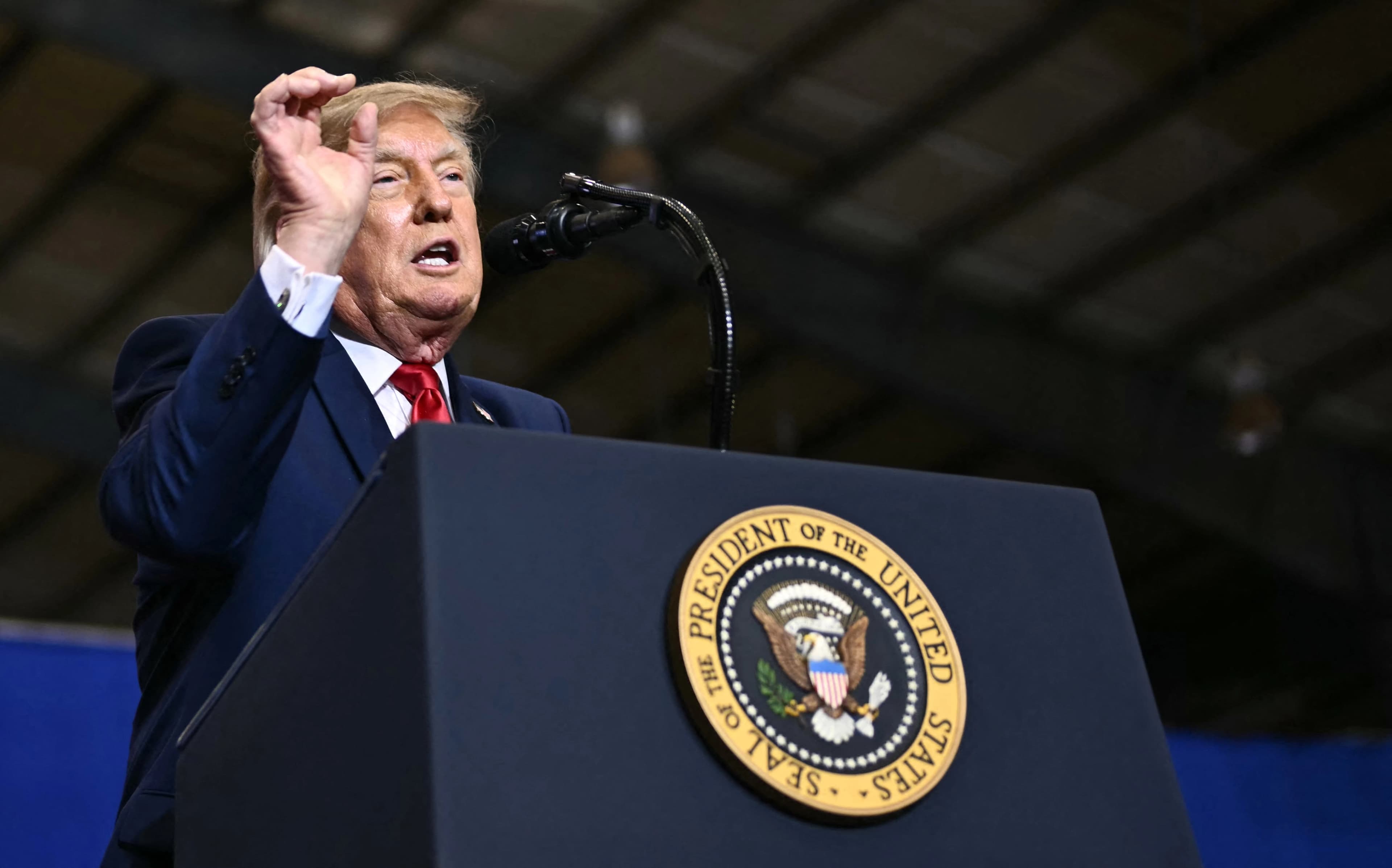
Earlier in the day, President Trump laid claim to control of the waterway.
"The U.S.A. will be, from this point forward, known as 'THE GUARDIAN OF THE HORMUZ STRAIT,' but as such, and as a matter of FAIRNESS, will be reimbursed, at the rate of 20% on all cargo shipped, for any and all costs necessary to do the job of providing safety and security to this very volatile section of the World," he said in a post on Truth Social.
"The process and formation will begin immediately," he added, claiming Iran imposes a 20 percent transit fee in the Strait - a rate he called "of course too much" - while promising, "we will be fair."
Iranian Foreign Minister Abbas Araghchi responded to Trump's remarks, saying, "POTUS is absolutely right. Whoever provides secure and safe passage of commercial vessels through the Strait of Hormuz should be compensated for this service."
In a post on X, Araghchi added, "Iran has always been the GUARDIAN of the Strait and will remain so FOREVER."
The ongoing tensions come despite the Islamabad Memorandum of Understanding struck between the two sides in mid-June, establishing a cessation of military operations across all fronts and ending maritime restrictions by both sides.
The two sides also committed to talks aimed at reaching a comprehensive settlement to the regional war within 60 days of signing, with the possibility of extension by mutual consent.
However, recent days have seen a flare-up between the two sides, casting doubt on the fate of the agreement.
RELATED: US strikes Iran as Gulf states targeted amid renewed fighting