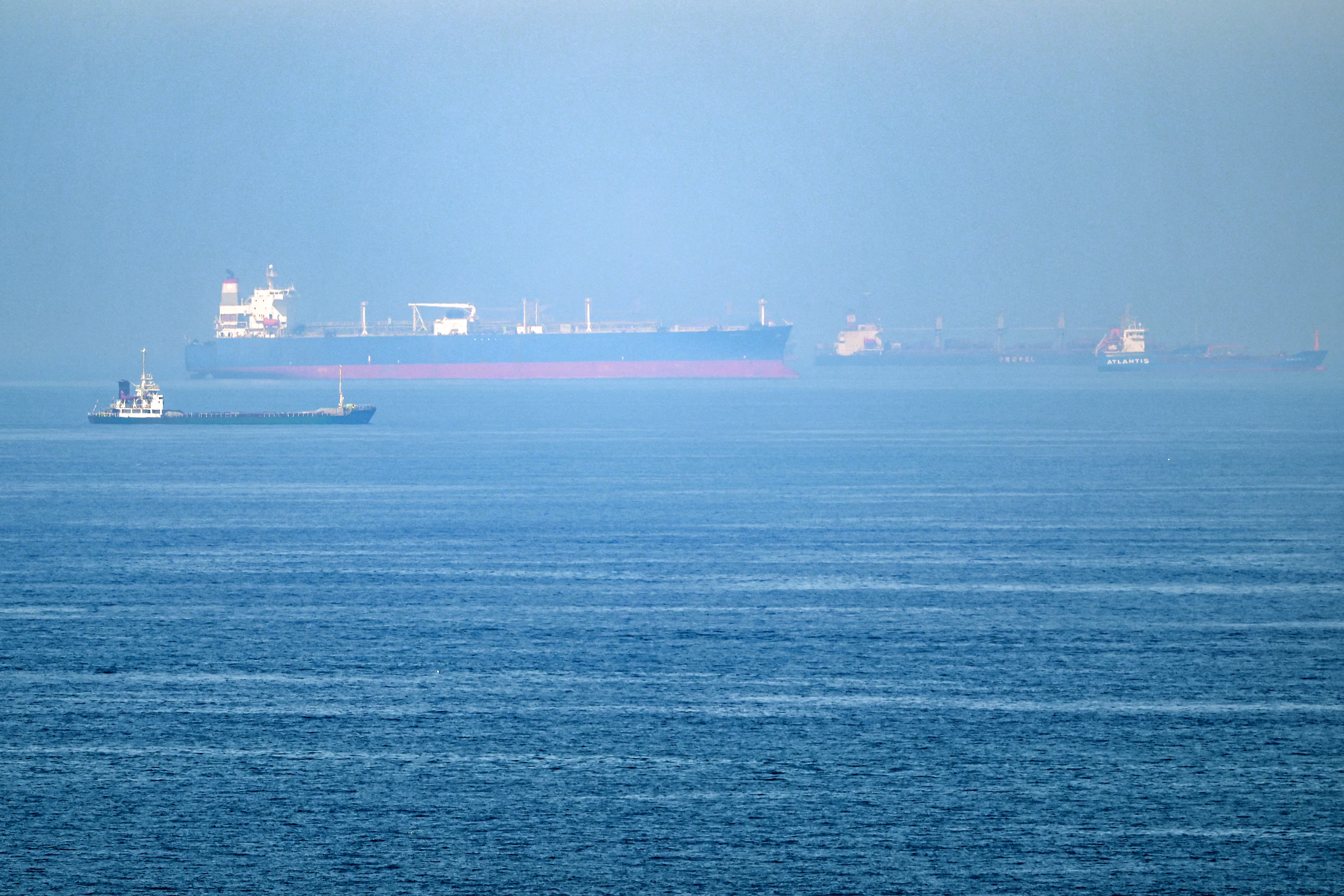

ERBIL, Kurdistan Region - The Sultanate of Oman announced on Wednesday that it has established a temporary shipping transit corridor through the Strait of Hormuz in coordination with the International Maritime Organization (IMO), offering vessels a route through the strategic waterway while reaffirming that navigation will remain free of tolls.
In a statement, Oman said it was acting "based on its responsibilities toward the Strait of Hormuz and its importance to the global economy," adding that the initiative reflects its "continued commitment to international law and the Law of the Sea to ensure freedom of navigation in the strait without imposing any tolls."
Muscat said the temporary maritime corridor was created "in line with the outcomes and efforts reached by the United States and the Islamic Republic of Iran" and in coordination with the IMO. The route follows coordinates issued by Omani authorities and the IMO, while vessels intending to use the corridor "must coordinate with the IMO."
The announcement comes against the backdrop of a US–Iran agreement reached last week under a 60-day ceasefire framework, which reopened the Strait of Hormuz after months of heightened tensions and maritime disruption following the US-Iran war that began in late February.
According to IMO at least 40 ships have been attacked and 11 seafarers killed since February 28 when the US and Israel launched an aerial bombing campaign against Iranian targets lasting for nearly six weeks before the parties reached a ceasefire on April 8. Prior to the US-Israeli strikes on Iran, about 135 ships per day passed through the waterway but the conflict brought traffic through the strait to almost zero.
The deal, brokered with regional mediation, included a memorandum of understanding outlining a temporary toll-free period for transit, alongside discussions on the waterway’s future administration.
UK Foreign Secretary Yvette Cooper welcomed the plan, stating: “This is a vital humanitarian plan that will allow thousands of stranded seafarers to depart safely. We stand ready to support the United Nations in this crucial role."
The Strait, through which about one-fifth of the world's crude oil and liquefied natural gas exports pass, reopened last week after Iran lifted its blockade under the ceasefire agreement with the US.
Muscat's announcement comes days after Iran and Oman agreed to establish a joint working group to determine how navigation through the Strait of Hormuz will be administered in the future, including the maritime services to be provided and the costs associated with them.
Although Oman reiterated its commitment to toll-free navigation, Tehran continues to insist it will introduce what it describes as maritime service fees rather than transit tolls. Iranian officials have said the charges will only take effect after a 60-day toll-free period outlined in a memorandum of understanding reached with the US following last week's ceasefire agreement.