
ERBIL, Kurdistan Region - US President Donald Trump warned on Monday that the United States would take whatever action it deemed necessary if Iran failed to honor commitments made under a newly agreed 60-day roadmap, following the first round of US-Iran peace talks in Switzerland.
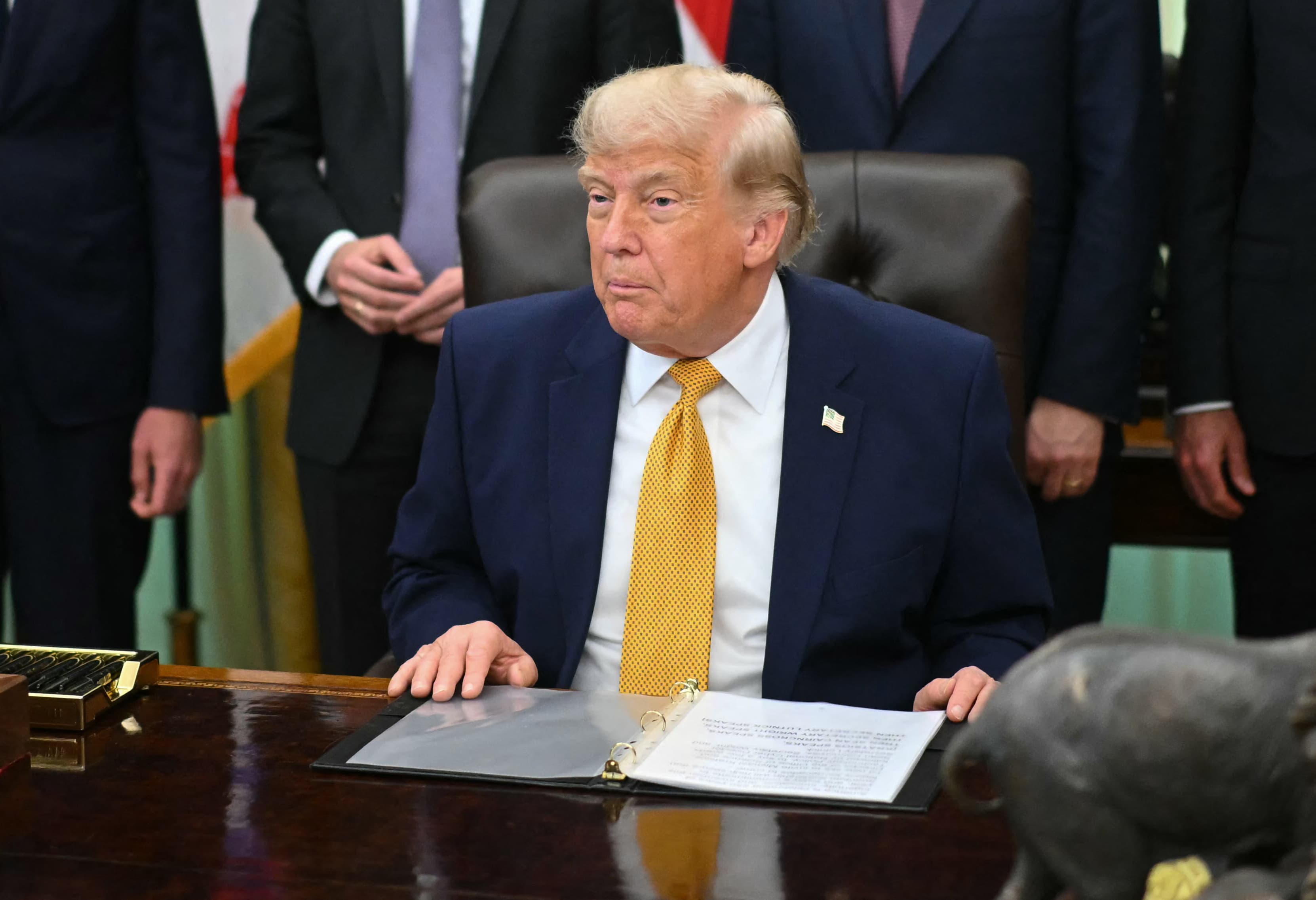
"If Iran doesn't live up to their agreement, or if they're not behaving, I will do what I have to do," Trump told reporters in the Oval Office.
The warning came after the inaugural round of negotiations between US and Iranian officials in Burgenstock, Switzerland, where mediators from Pakistan and Qatar announced a roadmap aimed at reaching a final agreement within 60 days.
The talks are part of broader efforts to secure a permanent agreement ending months of conflict between the US and Iran that began in late February, following a Pakistan-brokered ceasefire reached on April 11.
The mediators described the talks as a positive first step, while Washington temporarily suspended sanctions on Iranian oil as part of the understandings reached during the negotiations.
Meanwhile, Iranian President Masoud Pezeshkian said Tuesday that the success of the talks depends on "full commitment to the agreed obligations and their precise implementation," adding that progress "will be measured by practical adherence to accepted responsibilities."
"Statements outside the agreed text do not help advance the negotiations," he said in a post on X.
Iran's chief negotiator, Mohammad Bagher Ghalibaf, said on Monday that the talks had yielded significant progress, particularly on the Strait of Hormuz, Lebanon, sanctions relief and frozen Iranian assets.
"The Strait of Hormuz will never return to the pre-war situation," Ghalibaf said upon his return from Switzerland, adding that it "will be administered by Iran in compliance with these laws and with Iranian arrangements," according to Iran's state news agency IRNA.
In a video posted to his Telegram account, Ghalibaf described the negotiations as productive.
"In my view, this trip had good achievements, especially regarding the discussion of the Strait, the Lebanon discussions, the question of oil waiver, and the matter of releasing the frozen funds," he said.
"Of course, we believe we are still at the beginning of this work and must continue our efforts," he added.
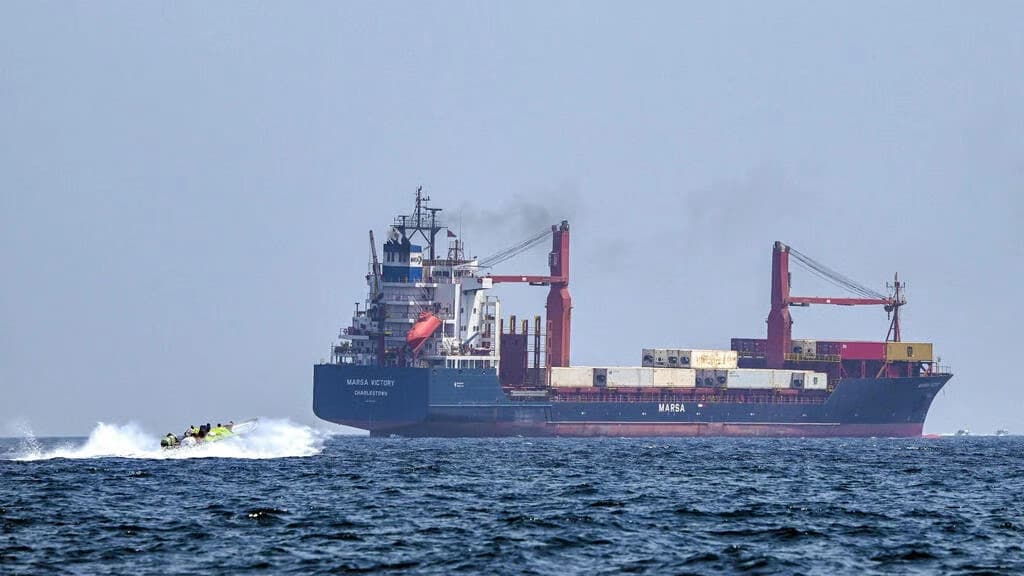
The Strait, a critical global shipping route, was reopened last week after an earlier agreement between Washington and Tehran, but Iran announced on Saturday that it had temporarily closed the waterway again in response to Israeli attacks in Lebanon. Maritime tracking firms reported that commercial traffic continued through the Strait on Monday at a faster pace than before the latest round of negotiations.
The first round of negotiations began on Sunday following the signing of the Islamabad Memorandum of Understanding last week.
In a joint statement, the Qatari and Pakistani mediators said the inaugural meeting of the High-Level Committee under the memorandum concluded in a "positive and constructive atmosphere" at the Lake Lucerne Summit in Burgenstock.
The mediators said that "encouraging progress has been made including the creation of a mechanism for further technical talks," adding that the committee had "agreed upon a roadmap towards reaching a final deal within 60 days," with technical negotiations set to begin immediately.
.webp&w=3840&q=75)