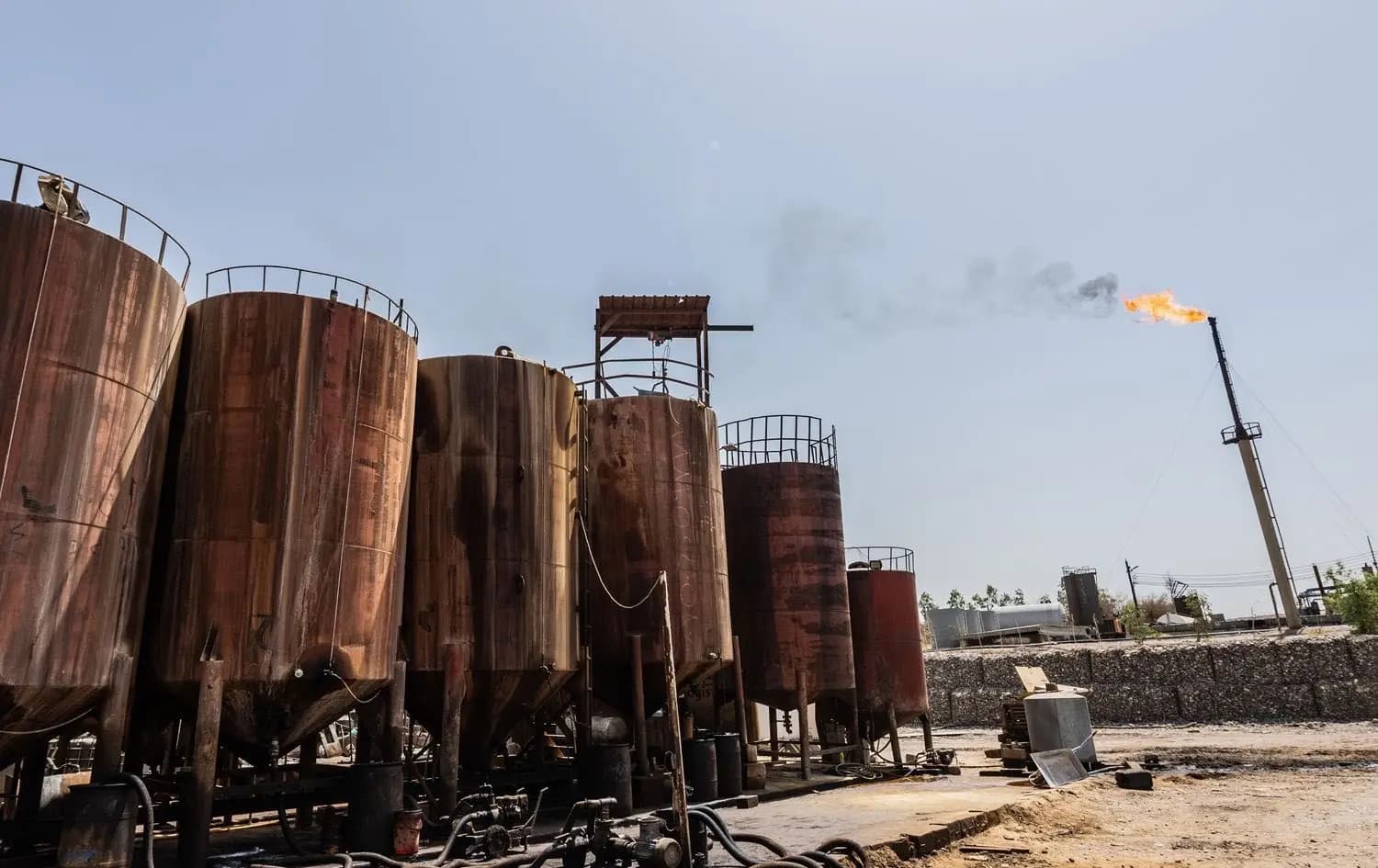

ERBIL, Kurdistan Region - Several illegal oil refineries are believed to have secretly resumed operations in Erbil province, working at night to evade authorities despite a government ban, a senior environmental official told Rudaw on Monday, warning that those responsible could face arrest.
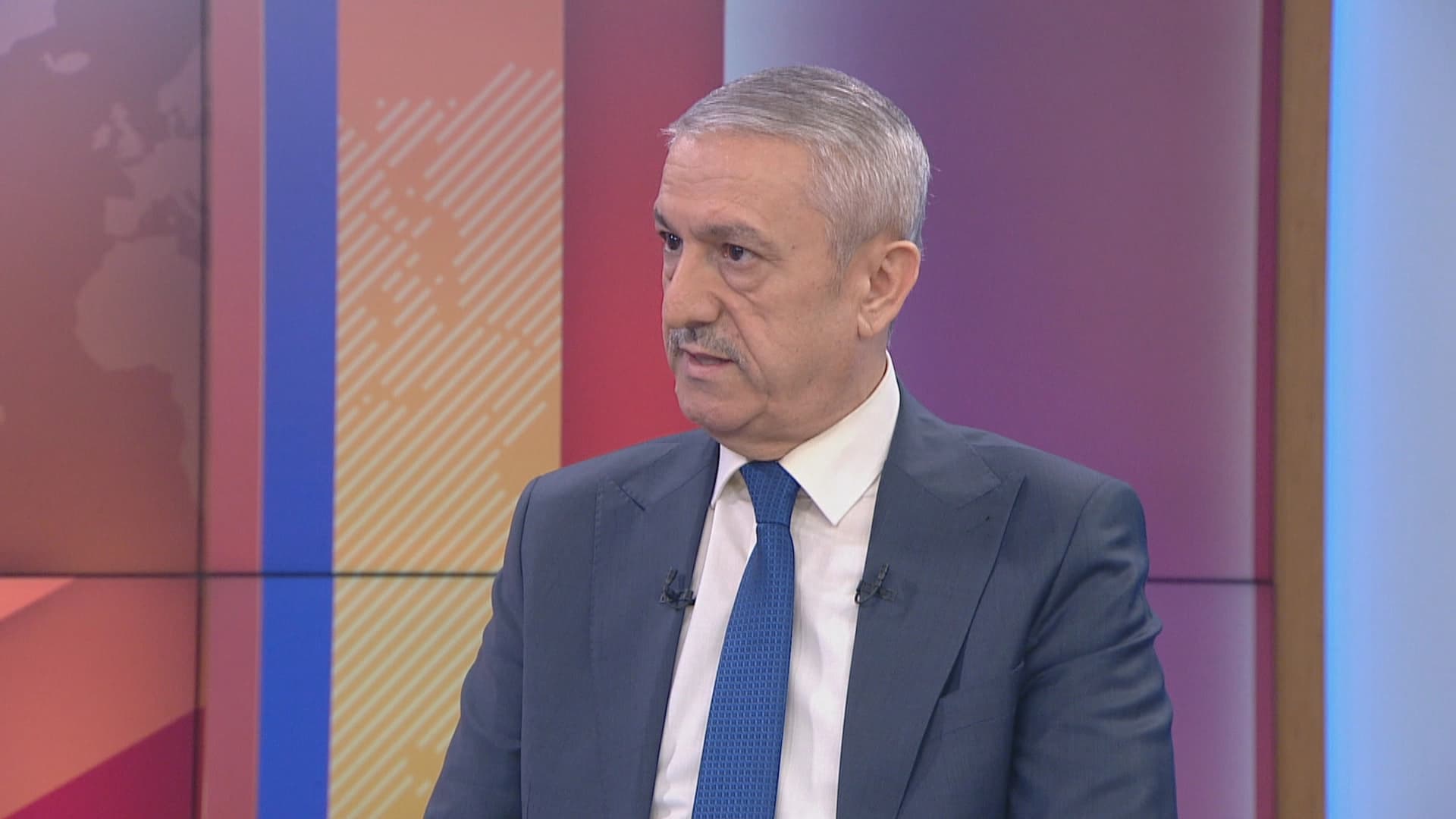
“We have been informed that two to three illegal refineries have resumed operations, but their locations remain unknown,” Dilshad Hirani, head of Erbil’s Environment Department, told Rudaw's Soran Hussein on Monday.
“They mostly operate at night, illegally and in secret,” he added, following reports from residents that some refineries had restarted operations.
Authorities in April said Erbil's air quality had improved significantly following the closure of illegal refineries, which had been a major source of pollution in the city. Sanaan Abdullah, spokesman of the Kurdistan Region Environment Board, told Rudaw at the time that a “majority” of the illegal refineries in the Kurdistan Region - including 139 in Erbil and 14 in Duhok - had “ceased operations. Hirani also told Rudaw at the time that all illegal refineries were currently "non-operational, and this has greatly served the city’s environment.”
Illegal operations come as the Region in recent months has been grappling with a shortage of fuel and gasoline amid soaring prices - with vehicles waiting in queues that often stretch over a kilometer at pumping stations - and run cheaply on agricultural land outside formal oversight.
Hirani stressed that authorities have not authorized any refinery to reopen.
“All illegal refineries have been shut down, and they are not permitted to operate. Therefore, we deny that any illegal refinery has officially resumed operations,” he said on Monday, stating that those operating would “be arrested and face legal action.
Abdullah told Rudaw in mid-July that only three refineries, Kar, Lanaz, and Qiwan, are legally licensed to operate in the Kurdistan Region.
Despite the latest reports, Hirani maintained that Erbil's air quality fared “much better compared to the past” regarding previous years, adding that pollution observed in recent days was largely caused by dust rather than smoke.
In April, the Kurdistan Region’s Environment Board announced that 3,689 diesel generators had been shut down under the KRG’s Runaki electricity project, reducing carbon dioxide emissions by an estimated 690 tons daily.
In August 2024, Erbil Governor Omed Khoshnaw ordered the closure of 138 illegal oil refineries, managing to shut down 54 in Erbil January 2025 and a remaining 85 later that year in July, with 43 people arrested by court order.