
ERBIL, Kurdistan Region - Iraqi Prime Minister Ali al-Zaidi has approved the transfer of files of approximately 26,000 Ba’ath-era political prisoners in the Kurdistan Region to a federal institution, paving the way for their monthly stipends to rise from 500,000 ($330) to 1.2 million Iraqi dinars ($793), a Kurdistan Region minister announced Monday.
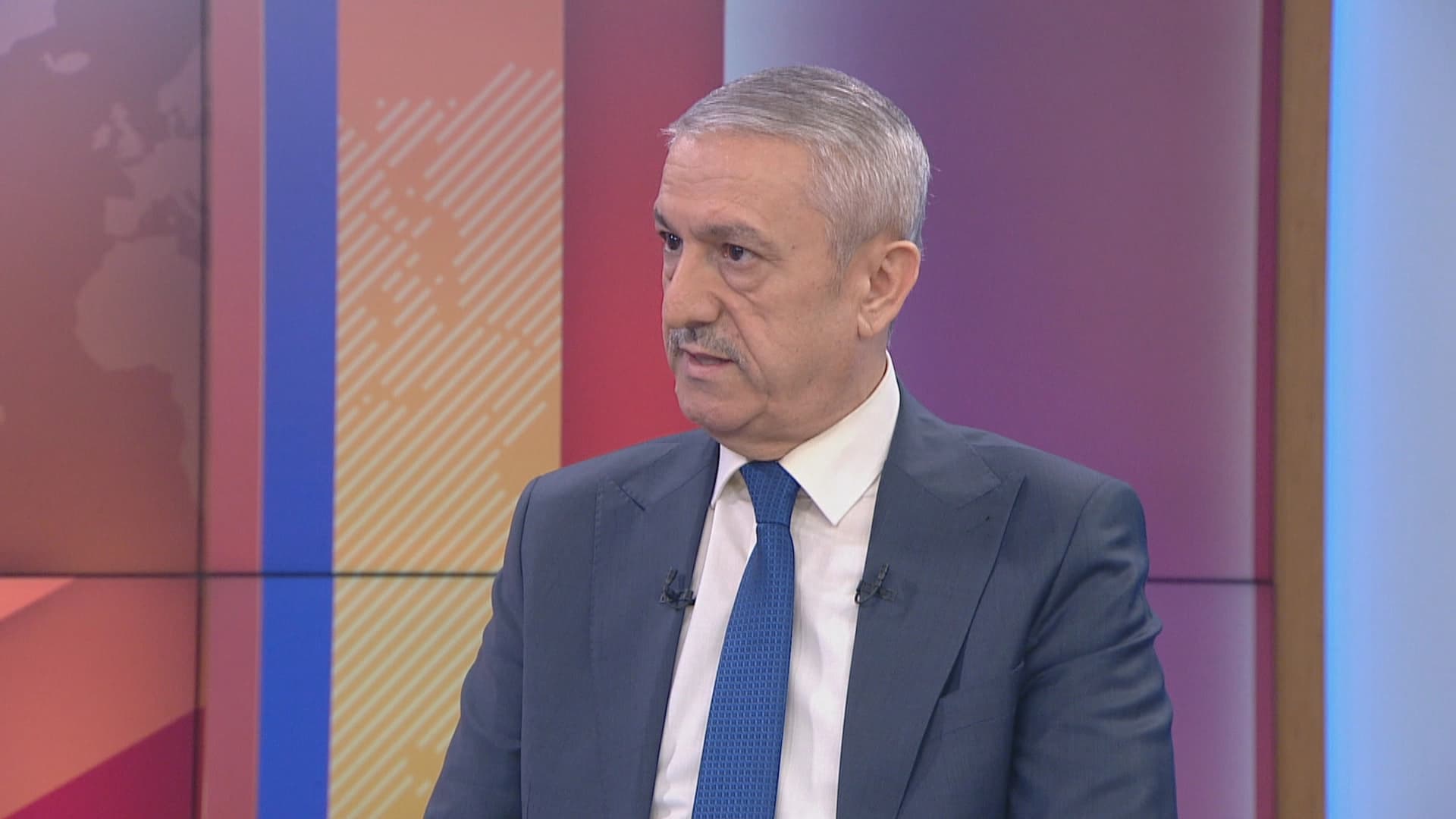
Abdullah Haji Mahmood, the Kurdistan Region’s minister of martyrs and Anfal affairs, told Rudaw’s Hiwa Jamal in an interview aired on Monday that the “historic” approval, obtained after six months of meetings with the Iraqi prime minister and government officials, would bring political prisoners in the Region in line with their counterparts elsewhere in Iraq, with payments disbursed directly by the federal government as opposed to the Kurdistan Region’s.
Political prisoners include political activists, Kurdish Peshmerga fighters and civilians who survived detention and persecution during campaigns against the Kurdish population under Saddam Hussein’s Ba’athist regime, which collapsed in 2003.
Thousands of political prisoners were executed en masse in the early 1980s. Detainees were subjected to physical and psychological torture, systemic imprisonment, severe human rights abuses, extrajudicial executions, and forced confessions to extract information regarding affiliations with opposition movements like the Kurdistan Democratic Party (KDP) or the Iraqi Communist Party.
Under Kurdish and federal Iraqi law, they are recognized as survivors of state-sponsored persecution and are entitled to financial compensation.
The political prisoners’ file transfer represents a separate step toward resolving one longstanding financial issue between the two governments, although its implementation hinges on completing the translation and verification process and coordinating the transfer of records.
The transfer requires the files to be translated from Kurdish into Arabic before a joint committee representing Erbil and Baghdad oversees the process, according to the minister.
Mahmood said Kurdish parliamentary blocs and most Iraqi political factions had backed the initiative. He added that the Kurdistan Region had requested that the prisoners’ financial entitlements be incorporated into Iraq’s sovereign budget, which would make payments less susceptible to salary delays.
The latest announcement follows repeated efforts by the Kurdistan Regional Government (KRG) and high-level meetings between the regional and federal officials to secure equal payments for political prisoners and transfer responsibility for their stipends to Baghdad.
The transfer also comes amid broader financial disputes between Erbil and Baghdad, which remain at odds over the Kurdistan Region’s share of the federal budget, oil revenues, and tax and customs receipts.
Dilan Ghafoor, a member of the Iraqi parliament’s finance committee, told Rudaw earlier this month that negotiations over the Region’s allocation in the 2027 federal budget had yet to produce an agreement. The KRG is seeking a 14.14 percent share based on the latest census, while Baghdad’s draft allocates 12.7 percent.
The two sides also disagree over the volume of oil the Region must deliver to the federal government and the allocation of tax and customs revenues.
Kurdistan Region President Nechirvan Barzani has repeatedly called for lasting solutions to disputes with Baghdad within the framework of the Iraqi constitution, particularly over budget allocations, public-sector salaries and oil and gas.