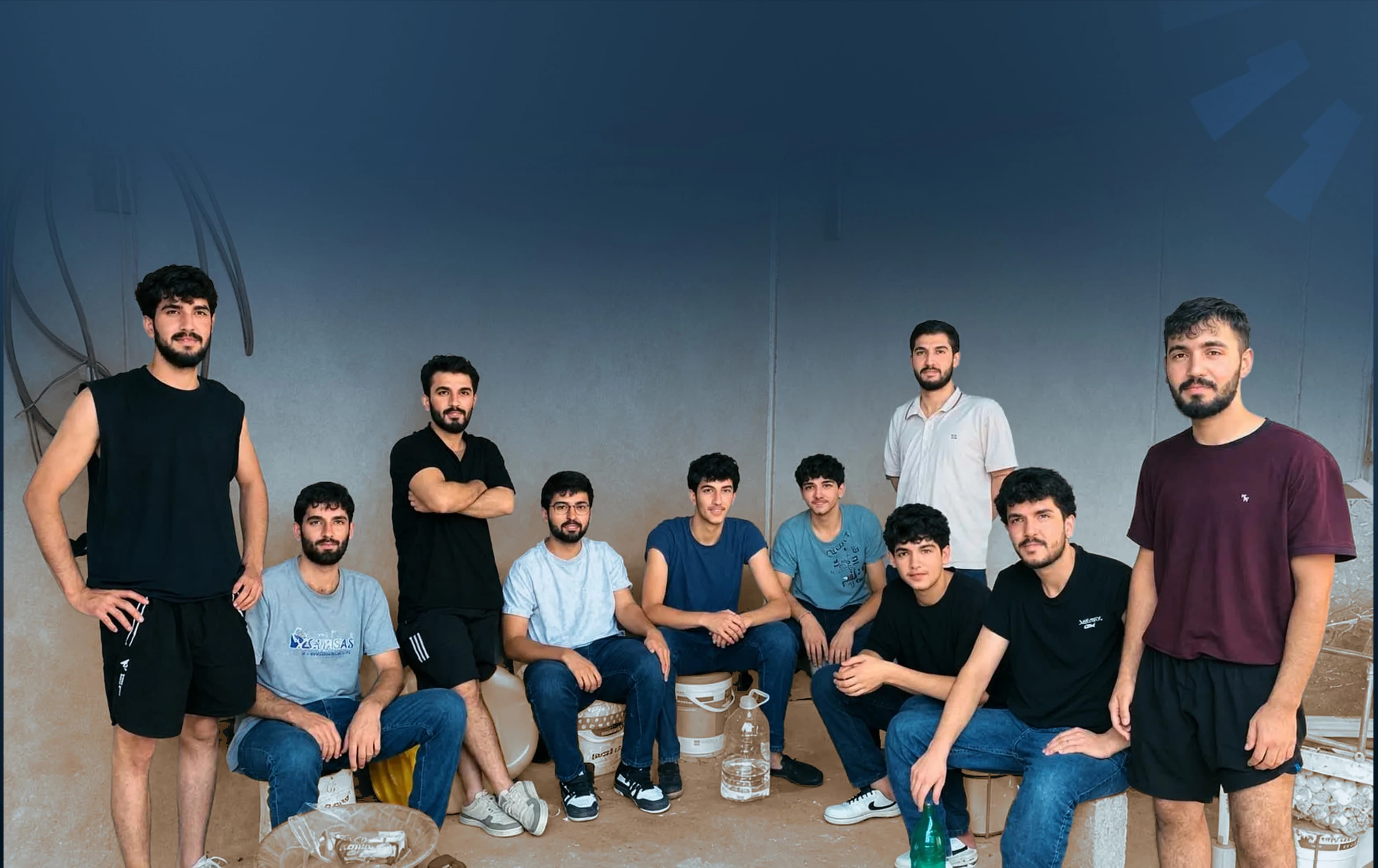
ERBIL, Kurdistan Region - Families of 10 Kurdish migrants who went missing while attempting to reach Italy from Libya have rejected rumors that they drowned, saying they have instead received information suggesting the migrants may still be alive and detained in Libya. The migrants, from Sulaimani's Raparin administration, were part of a group of 18 people who reportedly left Libya by boat for Italy in early August. The other eight migrants were from Afghanistan, according to Ismail Mohammed, a representative of the families and brother of one of the missing men. “We reject for now the report that this is true and accurate,” Mohammed told Rudaw late Tuesday, saying the families had received no official confirmation of the migrants’ deaths. According to him, the families have been in contact with Iraqi representatives in Libya and Italian officials but have so far received no official information establishing what happened to the group. Mohammed's remarks came after Kurdish migrant activist Ranj Pishdari announced on Tuesday that 10 Kurdish migrants, part of a group of 18 traveling by boat from Libya toward Italy, had drowned, although the claim has not been independently confirmed. Speaking to Rudaw, Pishdari said the Kurdish migrants from Raparin administration told their families on August 5 "they were setting off from Libya toward Italy," adding that "the smugglers confiscated their mobile phones, put them on a boat heading to Italy, and all contact with their families was subsequently lost." According to the activist, he has been following up on the case for a month: "I traveled to Italy, checked hospitals, prisons, and everywhere else, but found no trace of those 18 individuals. Later, I was informed that a German organization had information, so I went to Germany." Pishdari said he had spoken with staff from SOS MEDITERRANEE - an international maritime and humanitarian organization dedicated to saving lives at sea. Pishdari said the German organization showed video footage of the bodies to him. "Most of the bodies are decomposed, but their flotation tubes/life jackets and certain other markings on their bodies confirm that they are Kurds." However, Mohammed said the families had received information from inside a prison indicating that the names of the 10 Kurdish migrants appeared on a list of detainees. “We have received information from inside a prison saying that these names are present in a prison,” he said. “They made a list for us from inside a prison and said these names are there.” The families were also shown photographs allegedly linked to the missing migrants, but Mohammed said they could not determine whether the people pictured were their relatives. “I was shown photographs and I saw them, but they were all damaged and could not be recognized,” he said. “One of them had a tattoo ... They said they had identified a young man. But what about the others?” Mohammed said. “On what basis can I say that this is my brother, my cousin or my relative? I cannot say at this point that my brother is dead.” According to him, the families lost contact with the migrants on August 5. They were later told by the smuggler that the group had entered the water on August 9. “On August 5, we lost contact with them. On August 9, according to the smuggler, they entered the water,” Mohammed said. “But did the smuggler put them in the water, or did they not enter the water at all?” The conflicting accounts follow reports earlier this month that the 10 migrants had been detained in Libya. Their families previously told Rudaw that eyewitnesses in Libya had said the migrants were arrested and held in Tripoli after leaving the country in July in an attempt to reach Europe. The families are planning to provide further information about the case at a press conference in Raparin on Wednesday, Mohammed said. The case comes amid wider concerns over Kurdish migrants who have gone missing or been detained in Libya. On September 18, Rudaw quoted Kurdish Iraqi lawmaker Muthanna Amin as saying that 10 Kurdish migrants were being held by armed groups rather than official Libyan authorities. “The Iraqi embassy maintains that these sites are not under the authority of the Libyan state, but are controlled by armed groups,” Amin told Rudaw, adding that Iraqi diplomats could not legally deal directly with such groups. Amin also said more than six other young men from Raparin who had disappeared in Libya more than three months earlier were believed to have drowned after their boat sank in the Mediterranean. The latest case follows the repatriation of 33 young Kurdish migrants detained in Libya to the Kurdistan Region earlier this month. Driven by high unemployment, economic corruption, and the search for better opportunities, young people from the Kurdistan Region continue to undertake dangerous journeys to Europe via Libya and across the Mediterranean.
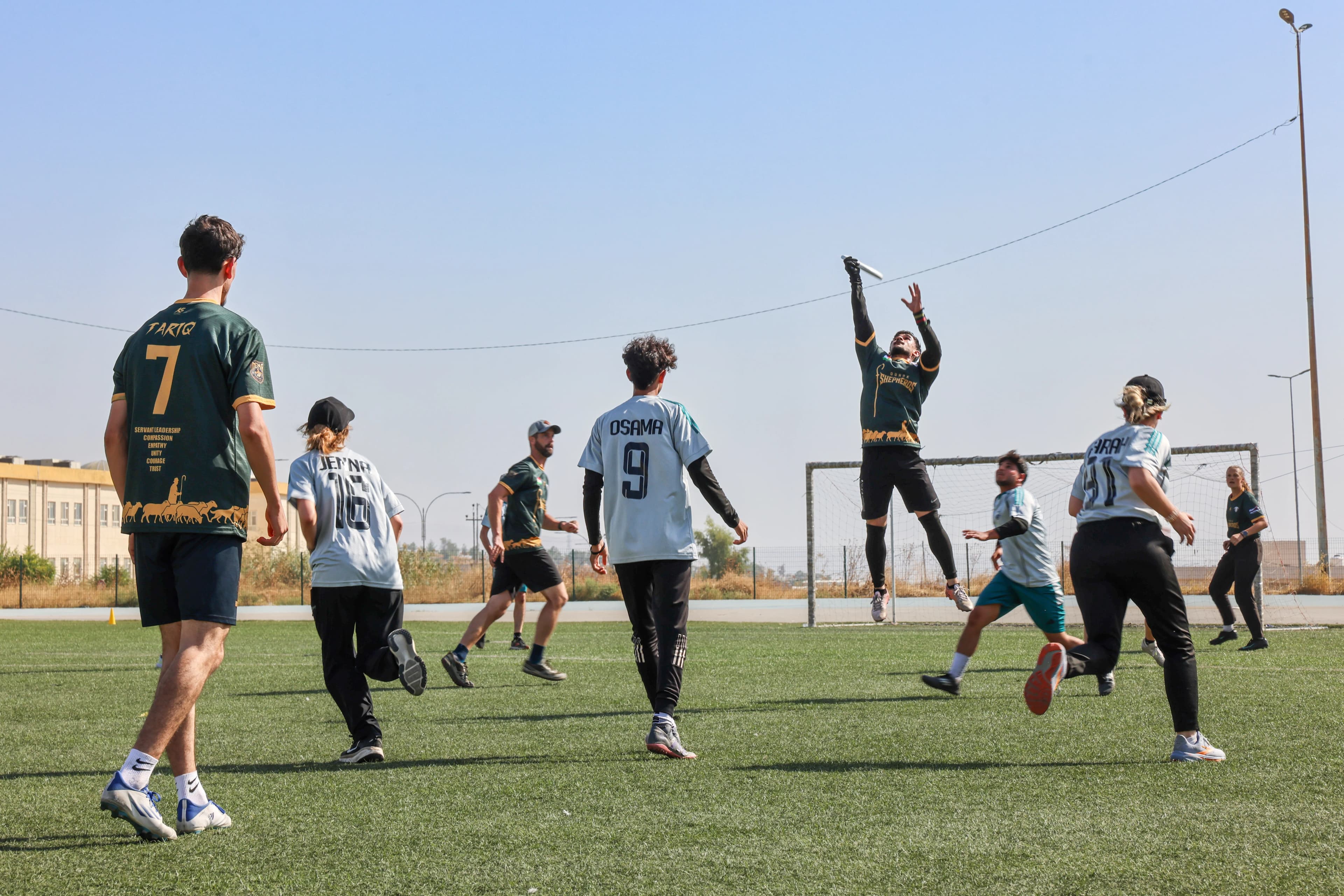
Kurdistan12-10-2026Ultimate frisbee tournament draws athletes across Kurdistan ahead of international championships

.png&w=3840&q=75)