
Erbil, Kurdistan Region - Iranian Parliament Speaker Mohammad Bagher Ghalibaf said on Tuesday that the Kurdistan Region helped Iran thwart what he claimed was a US plot to launch security and military operations against his country from the Region during the six-week war.
“During the 40-day war, the Americans hoped to carry out security and military operations against Iran from the Kurdistan Region,” Ghalibaf said, as cited by Tasnim News Agency, an outlet affiliated with Iran's Islamic Revolutionary Guard Corps (IRGC).
“With the help of our friends in the Kurdistan Region and the timely response of Iran's armed forces, the enemy's plot was thwarted,” the Iranian speaker added. “We should therefore work to expand our security and economic ties [with the Kurdistan Region] more than before.”
Ghalibaf's comments appeared to be an indirect reference to reports - initially published by the American news website Axios during the six-week war - which claimed that Kurdish fighters affiliated with the Kurdistan Free Life Party (PJAK) had entered Iran from the Kurdistan Region and taken up combat positions.
The Kurdistan Regional Government (KRG) staunchly denied the claims.
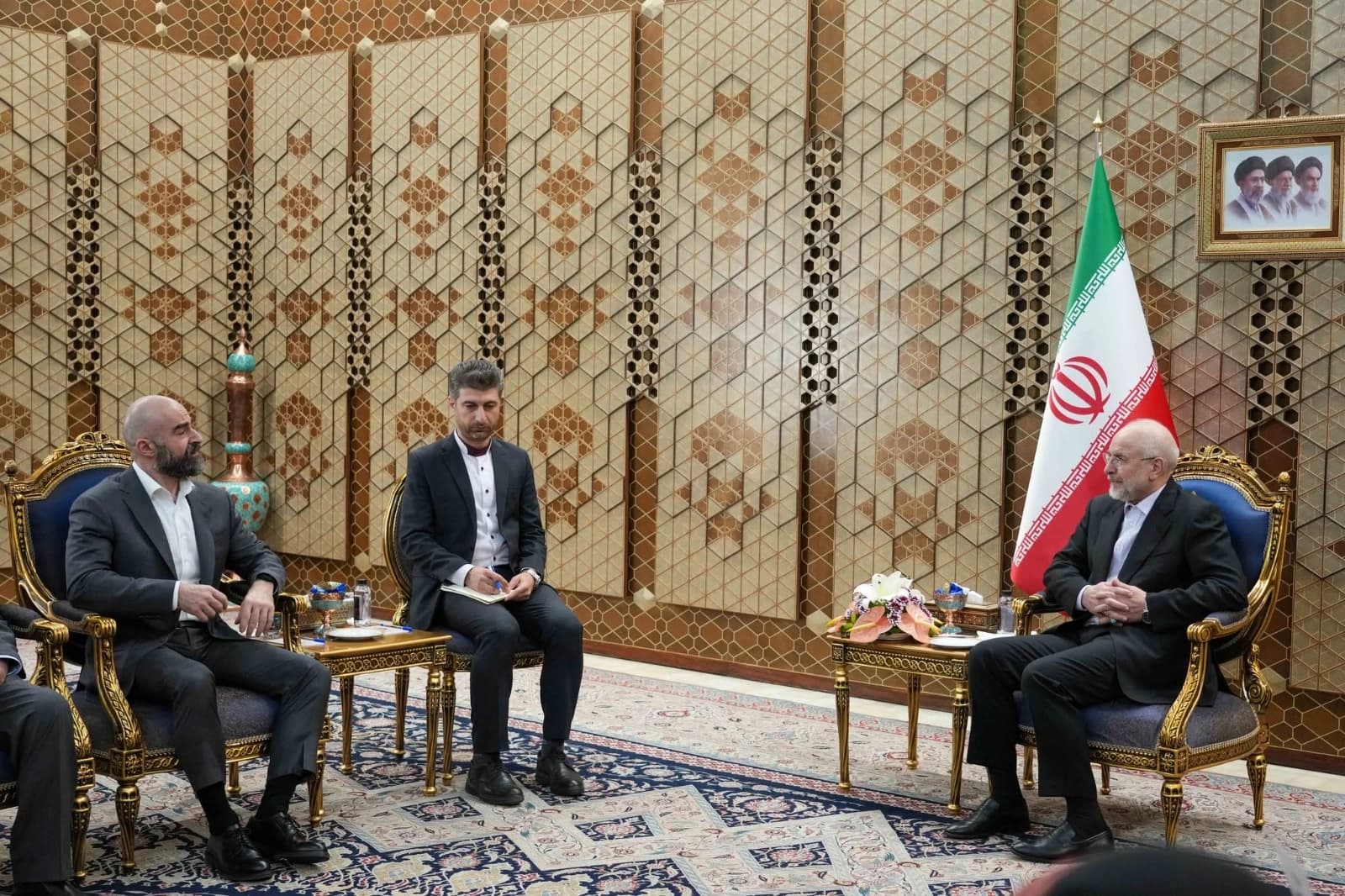
The Iranian speaker made his remarks during a meeting with Patriotic Union of Kurdistan (PUK) President Bafel Talabani in Tehran on Tuesday, according to Tasnim. Talabani arrived in Tehran the same day at the official invitation of Iranian Foreign Minister Abbas Araghchi, whom he met. The PUK leader also met Ali Akbar Velayati, senior adviser to Iran's supreme leader on international affairs.
Talabani's readout of the meeting with Ghalibaf made no mention of any role by Kurdish authorities in helping thwart the alleged US plot. Instead, the PUK leader reiterated that the Kurdistan Region would not be drawn into the conflict.
“The Kurdistan Region will not become part of any war or conflict; rather, all efforts must be directed toward preserving calm and de-escalating tensions,” Talabani said in a Tuesday statement on Facebook.
Notably, despite commending the Region for its positive role, Ghalibaf offered no explanation for why Iranian strikes on Kurdistan's territories persisted throughout the war and in its aftermath.
The US and Israel in late February launched a joint aerial campaign, striking thousands of targets across Iran. Tehran responded with drone and missile strikes across the Middle East, targeting alleged US assets in Gulf Arab states and launching retaliatory strikes against Israel.
Iran and its affiliated armed groups launched nearly 1,000 drone and missile attacks on the Kurdistan Region since the start of the war, primarily targeting Kurdish dissident groups, killing 32 people and wounding 154 others as of early August, according to Rudaw tracking.
The attacks on the Kurdistan Region persisted even after Washington and Tehran reached a ceasefire on April 7, followed by the Islamabad Memorandum of Understanding signed on June 17 - despite repeated affirmations by Kurdish officials that the Region is not a party to the conflict.
RELATED: US consulate in Erbil among most damaged in attacks on American mission: Report