
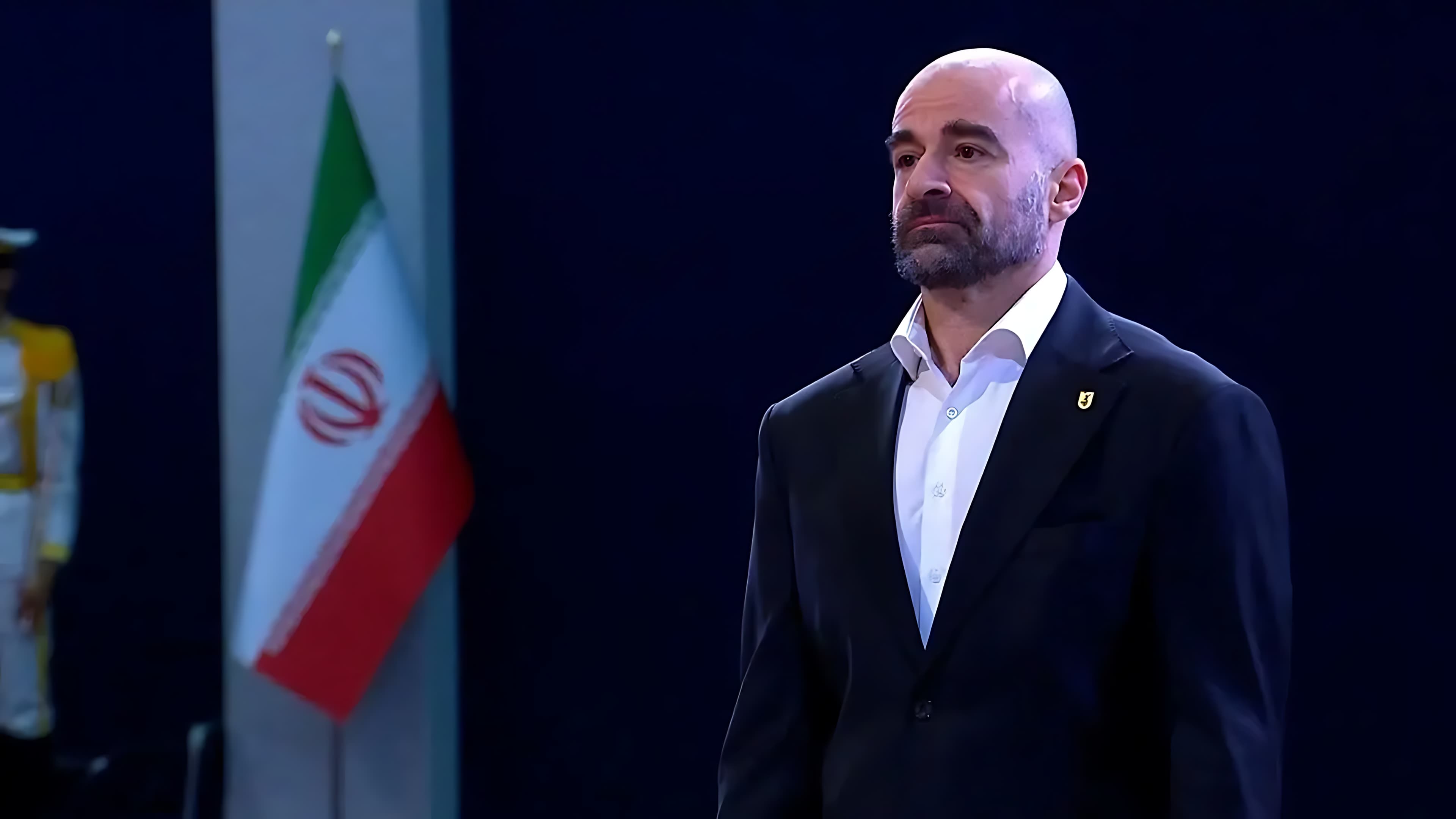

ERBIL, Kurdistan Region - Patriotic Union of Kurdistan (PUK) leader Bafel Talabani will travel to Tehran on Tuesday for talks with senior Iranian officials, including Iranian President Masoud Pezeshkian and Foreign Minister Abbas Araghchi, among others, the PUK said in a Monday statement, adding the visit comes in response to an official invitation.
“At the official invitation of Iran's ministry of foreign affairs, President Bafel Jalal Talabani is scheduled to visit the Islamic Republic of Iran tomorrow, accompanied by a high-level delegation from the Patriotic Union of Kurdistan (PUK),” the statement noted.
Iranian foreign ministry Spokesperson Esmail Baghaei confirmed the visit on Monday, telling reporters in Tehran that it was taking place "at the invitation of Iran's Foreign Minister [Araghchi]," according to Tasnim News Agency, an outlet affiliated with Iran's Islamic Revolutionary Guard Corps (IRGC).
Baghaei framed the visit as part of Iran's "ongoing consultations with the Iraqi government and the Kurdistan Region" aimed at “expanding bilateral relations and strengthening regional peace and stability.”
Importantly, the visit comes little over a month after Talabani and Araghchi held a phone call to discuss what the PUK leader described in a statement as the "longstanding strategic relationship" between the party and Tehran.
The two “exchanged views on regional security, political, and economic developments” and “explored pathways toward resolving the current crisis [in the region],” with Araghchi inviting Talabani to Tehran for further discussions on the conflict's regional and international implications.
The visit also comes as the Kurdistan Region has in recent months been caught in the crosshairs of regional tensions that escalated sharply in late February, when the United States and Israel launched a joint aerial campaign striking thousands of targets across Iran over six weeks.
Tehran responded with drone and missile strikes across the Middle East, targeting alleged US assets - particularly in Gulf Arab states - while also launching retaliatory strikes against Israel.
Iran and its affiliated armed groups operating under the Islamic Resistance in Iraq (IRI) have also launched nearly 1,000 drone and missile attacks on the Kurdistan Region since the start of the conflict, primarily targeting Kurdish dissident groups, killing 32 people and wounding 154 others as of early August, according to Rudaw tracking.
The attacks on the Kurdistan Region have persisted despite the United States and Iran reaching a preliminary ceasefire in early April, followed by the Islamabad Memorandum of Understanding in mid-June establishing a truce, and despite repeated affirmations by Kurdish officials that the Region is not a party to the conflict.

.jpg&w=3840&q=75)