
ERBIL, Kurdistan Region - Washington has not officially informed the Kurdistan Region's Peshmerga ministry of plans to halt financial assistance as a security agreement nears expiry, three informed sources told Rudaw on Saturday, after the BBC reported that the United States had told Erbil the deal would not be renewed.
"Regarding the termination of the aid, the US has told the Ministry of Peshmerga nothing officially," a senior ministry official told Rudaw’s Soran Hussein on Saturday.
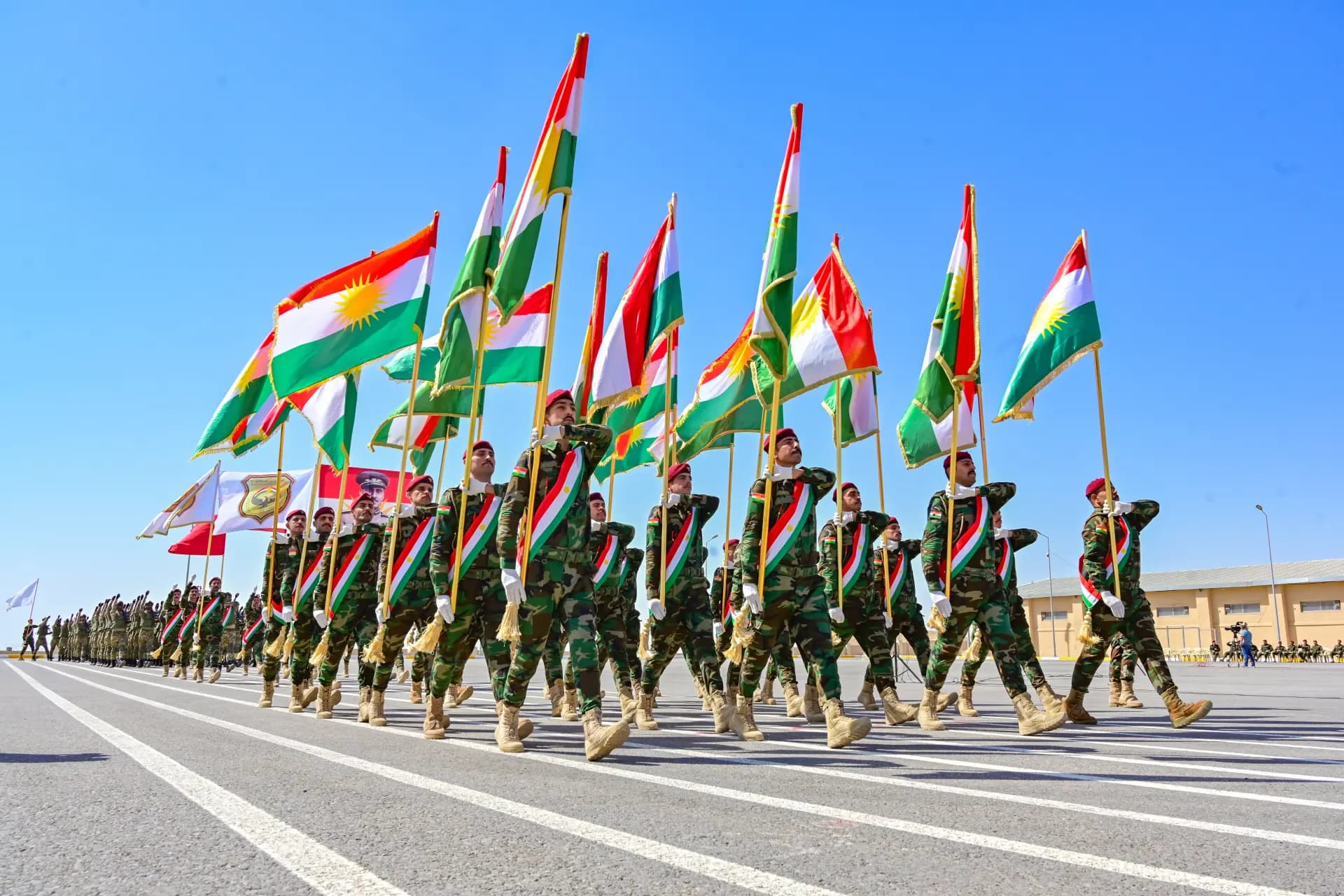
Citing four sources, the BBC reported late Friday that the US had informed Kurdish leaders in the Kurdistan Region that it is “planning” to halt military aid to the Peshmerga, reversing a decade-long policy of providing direct support to the Kurdish force that played a key role in the fight against the Islamic State (ISIS).
Signed in 2016, the memorandum of understanding between the Pentagon and the Peshmerga ministry is set to expire on September 30, coinciding with the scheduled departure of the US-led Global Coalition against ISIS from Iraq.
Another source within the Kurdish ministry told Rudaw, “The US has not indicated officially or informally whether they will renew the memorandum of understanding, but what is clear is that the MoU expires at the end of next month."
Last year, the United States allocated about $61 million in direct funding to the Peshmerga for weapons procurement, training and stipends in 2026. However, the US War Department 2027 fiscal year framework proposed budget allocations are valued at approximately $118.9 million for Iraqi partner forces, including the defense ministry and counter-terrorism service, while direct support for the Peshmerga has been reduced to zero.
Last week, Sabah al-Numan, spokesperson for the Iraqi commander-in-chief, told Rudaw that after the departure of US troops, “only a small number of troops remain in Erbil, strictly within the timelines agreed upon with Iraqi leadership.”
Another official source from the Kurdistan Region's Peshmerga ministry said members of the US-led coalition are “considering a mechanism to continue working” with Erbil “under a new format.”
“Germany has decided that following its withdrawal on September 30, it will return to the Kurdistan Region and continue working with the Peshmerga under a different framework,” the source said, citing the need for coalition forces to remain in Erbil because of the “ongoing complex security” situation in the region.
“We hope this request will be met,” the source added.
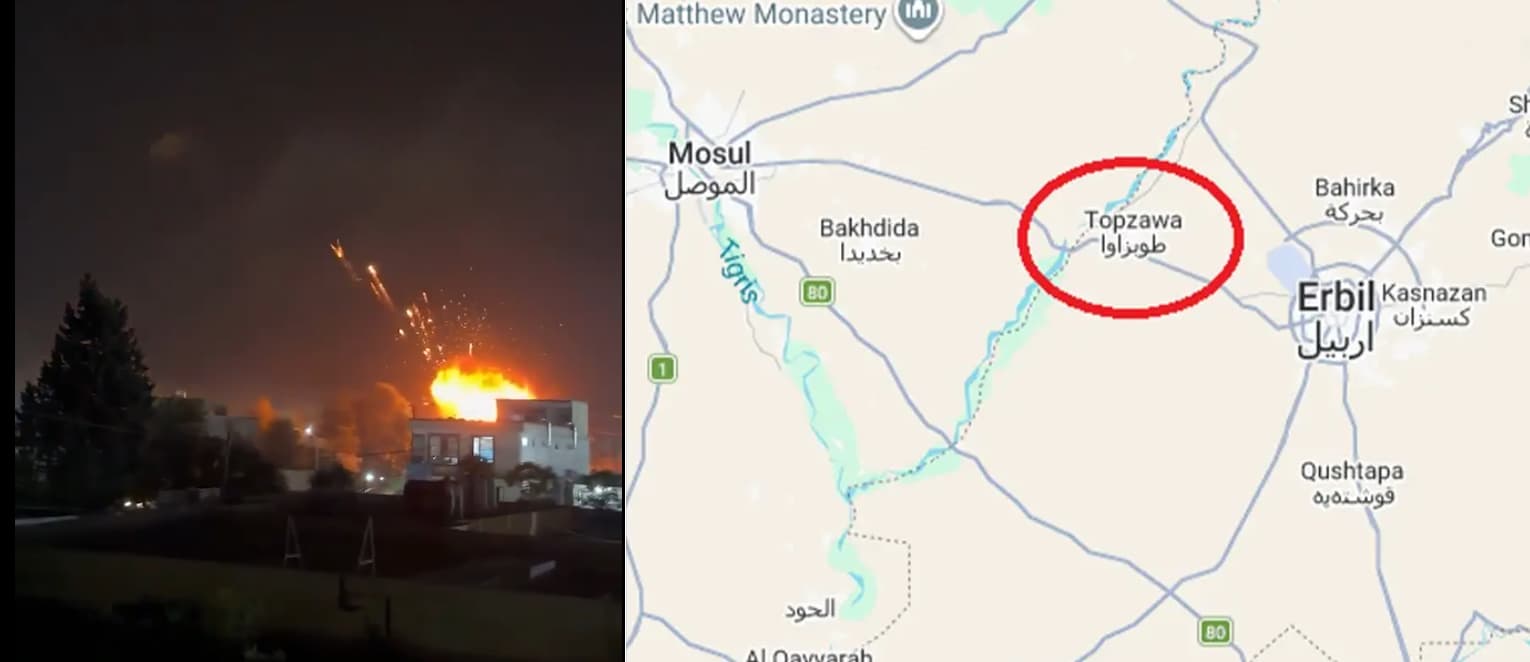
The Kurdistan Region has largely remained on the sidelines of the war that began in late February, when the US and Israel attacked Iran. During and after the nearly six-week conflict, however, the Region has repeatedly been struck by projectiles.
Iran and its aligned groups fired around 1,000 missiles and drones toward the Kurdistan Region by mid-August, justifying the strikes by citing the presence of US assets and Iranian opposition groups. Rudaw has recorded 32 deaths and around 150 injuries from the attacks.
The United States' Fiscal Year 2027 defense budget remains under debate in Congress, with lawmakers yet to agree on spending levels and allocations.
Meanwhile, US Congressman Abe Hamadeh in late April asked Defense Secretary Pete Hegseth during a House Armed Services Committee hearing whether it would be “wise” to centralize aid in Baghdad, Rudaw learned at the time.
Hegseth responded that the Department of Defense was reviewing the effectiveness of counterterrorism efforts in Iraq and reassessing its posture and funding approach, indicating that adjustments to funding and the US force presence remained under consideration based on evolving conditions on the ground.