ERBIL, Kurdistan Region - Iraqi Prime Minister Ali al-Zaidi on Wednesday ordered the formation of a committee to oversee the implementation of measures aimed at disengaging political parties and armed factions from the Popular Mobilization Forces (PMF), his office reported, amid a wider effort by the newly appointed premier to bring paramilitary groups and their arms under state control.
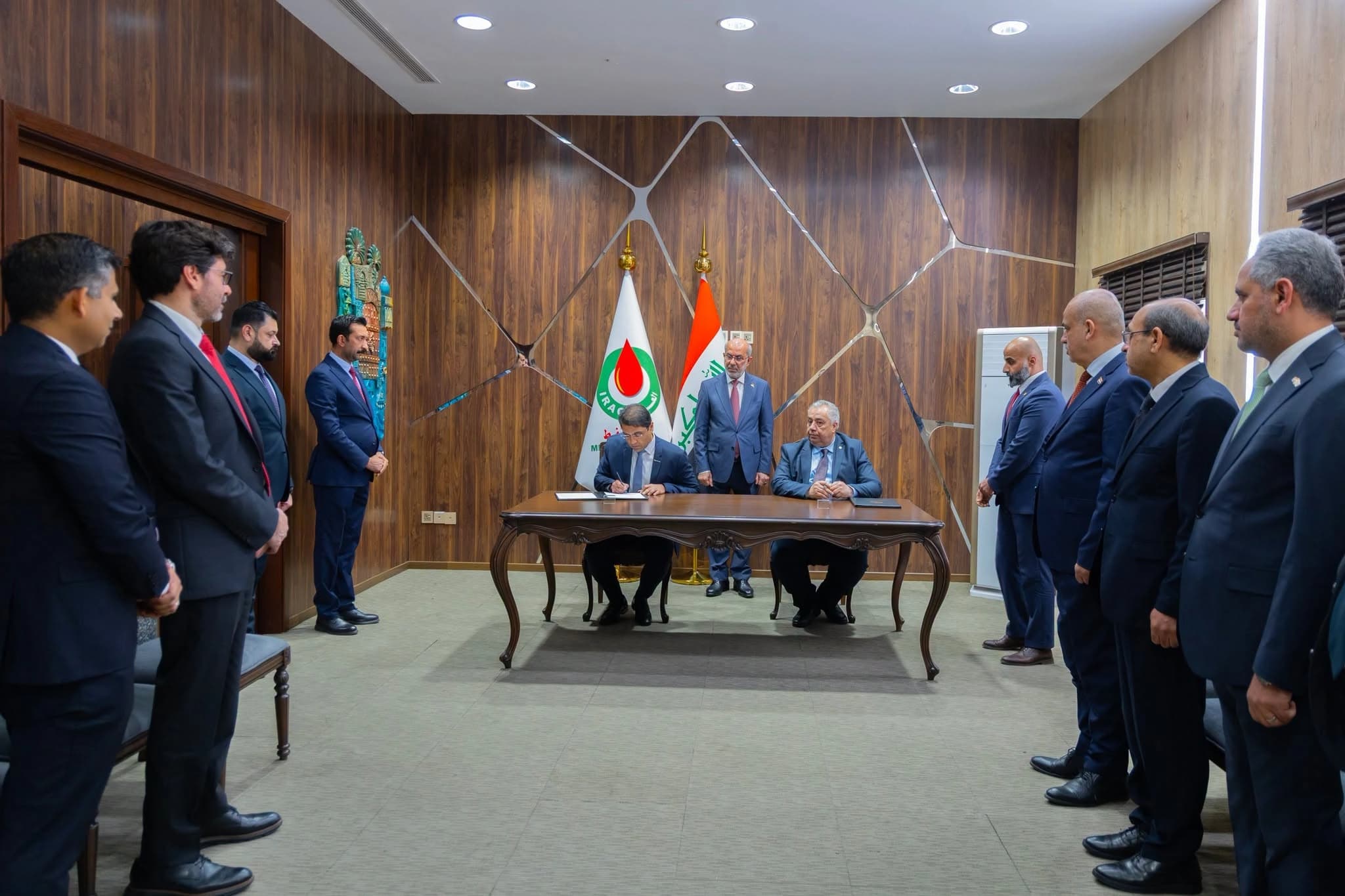
Zaidi ordered the formation of “a joint committee tasked with developing appropriate mechanisms for implementing procedures for disengagement from the Popular Mobilization Forces [PMF] and restrict arms to the hands of the state within the next two days,” the premier’s office said in a statement.
The move is in line with the Iraqi constitution and existing laws, the statement added, noting that it aims to “strengthen state authority, support security and stability, and reinforce the establishment of a strong Iraqi state capable of fulfilling the aspirations of its citizens.”
The PMF was established in 2014 during the Islamic State group (ISIS) blitz, which saw the group seize control of large parts of Iraq’s north and west.
Created in response to a religious edict, fatwa, by Iraq’s highest Shiite authority, Grand Ayatollah Ali al-Sistani, the PMF was initially an umbrella organization of roughly 70 predominantly Shiite armed groups, with approximately 250,000 members.
While it is a state‑funded institution, the PMF notably includes factions widely believed to overlap with the Iran-led ‘Axis of Resistance,’ which have, since the outbreak of the Iran war in late February, carried out attacks against alleged US targets in the region in support of Tehran, often operating through shadow groups under the banner of the Islamic Resistance in Iraq (IRI).
The IRI’s core overlap within the PMF includes the Asa’ib Ahl al-Haq, Kata’ib Hezbollah, Harakat Hezbollah al-Nujaba, and Kata’ib Sayyid al-Shuhada armed groups.
The Iraqi prime minister’s directive on Wednesday notably followed a meeting with delegations from two Iran-aligned Iraqi armed groups - Asa’ib Ahl al-Haq and the Imam Ali Battalions - which on Tuesday affirmed their compliance with Zaidi’s initiative.
“Out of national responsibility, to preserve the gains of victory, to enhance national sovereignty, and from the standpoint of legal responsibility, the leadership of the Imam Ali Battalions has decided to sever ties with the formations of the Popular Mobilization Forces [PMF],” the group said in a statement.
The group added that it would “immediately initiate measures to confine weapons to the hands of the state,” stressing that “our responsibility today requires confining weapons to the hands of the state, strengthening security institutions, and enforcing the rule of law.”
Earlier on Tuesday, Asa’ib Ahl al-Haq also announced the formation of a “central committee” to oversee the implementation of the decision to restrict arms to the Iraqi state.
The committee would be “responsible for completing all requirements and procedures related to the implementation of this decision, including inventorying all personnel, weapons, vehicles, equipment, and logistical means, and linking directly to the Commander-in-Chief of the Armed Forces [Iraq’s premier],” the group said.
Zaidi on Wednesday praised the leadership of the two armed factions “for their contribution to strengthening the process of state-building” and their “support for the government's policies and ministerial program.”
In his inaugural address to the Iraqi parliament in mid-May, the newly appointed premier pledged to pursue security reforms, including by “confining weapons under state control.” Zaidi also vowed to enhance the capabilities of the security forces and strengthen citizens’ “confidence in democracy.”