ERBIL, Kurdistan Region - Iraq has launched a three-phase plan to address severe prison overcrowding, with some facilities operating at more than 300 percent capacity, officials told Rudaw on Sunday, as the country’s prison population has surpassed 60,000 inmates despite an ongoing amnesty law intended to ease overcrowding and address judicial grievances.
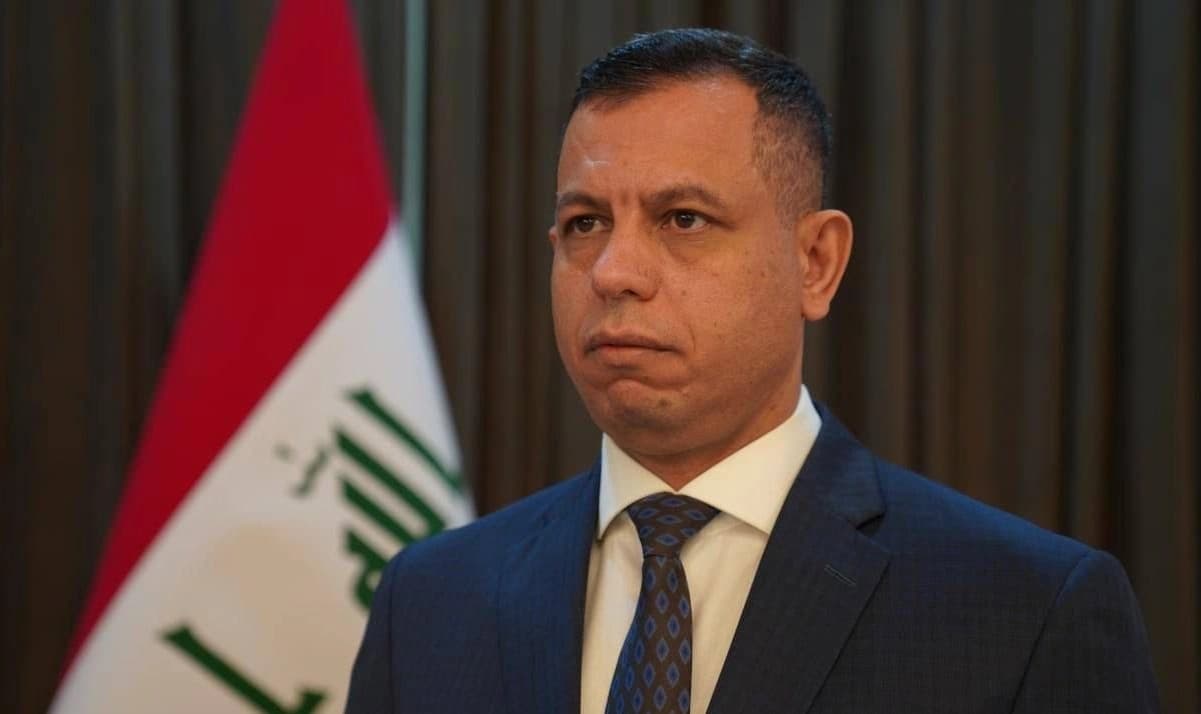
Returning Justice Minister Khalid Shwani “has begun implementing a three-phase plan since retaking office to reduce overcrowding in prisons, which has reached more than 300 percent in some facilities,” said Murad Al-Saadi, director of media at the ministry.
He detailed that the first phase of the plan entails “expanding and rehabilitating several prisons, including al-Baladiyat Women’s Prison in eastern Baghdad, Abu Ghraib Prison in western Baghdad, and Amarah Central Prison in the southern Maysan province, as well as opening the central prison in Najaf and the Chamchamal Central Prison” in the Kurdistan Region’s eastern Sulaimani province.
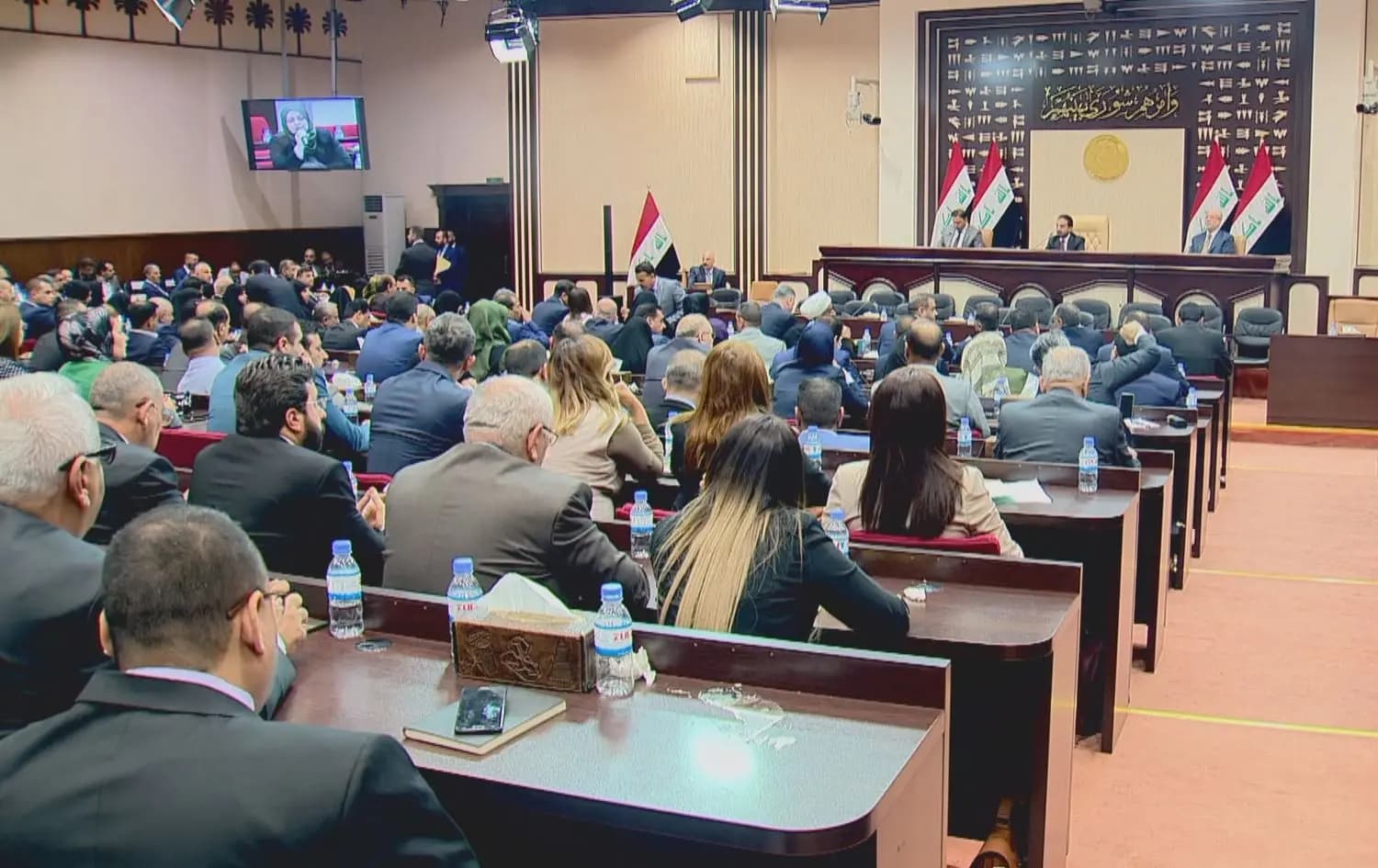
The Iraqi parliament passed an amendment to the General Amnesty Law in January as part of a broader legislative package that also included changes to the Personal Status Law and a property restitution law.
The amnesty law had long been a key demand of Sunni Arab political parties, who argue that post-2003 anti-terrorism legislation has disproportionately affected their communities.
Following the 2014 seizure of large parts of Iraq by the Islamic State (ISIS), thousands were arrested for alleged links to the group, particularly in predominantly Sunni provinces such as Anbar, Nineveh, and Salahaddin.
The latest amendment revised the definition of “affiliation with terrorist organizations,” a key condition for Sunni Arab blocs to join the then-ruling State Administration Coalition. The amended bill came into force in mid-February.
According to justice ministry data, Iraq operates 30 prisons housing around 6,000 inmates, including about 1,600 foreign nationals, though these figures exclude facilities in the Kurdistan Region.
Murad told Rudaw however that while the implementation of the Amnesty Law has led to the release of more than 12,500 people, “rising crime rates and the spread of narcotics have contributed to an increase in the number of convicts.”
Although the law has helped ease overcrowding, “for every person released, five others enter for different crimes,” he said, affirming that the justice ministry is working to meet “international standards for inmate space and accommodation,” noting that several new prisons are set to open soon, including in Babil, Diwaniyah, and Diyala provinces.